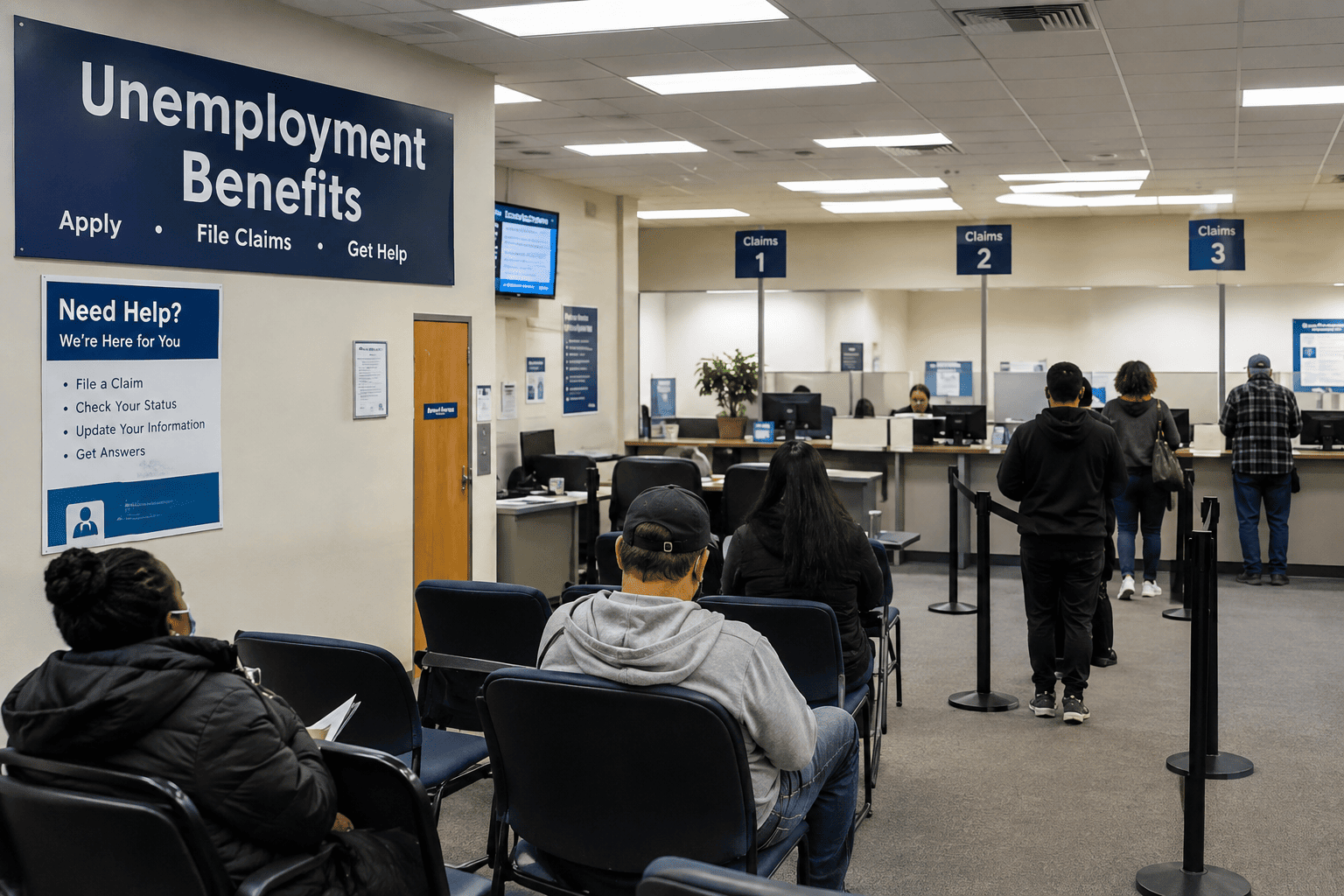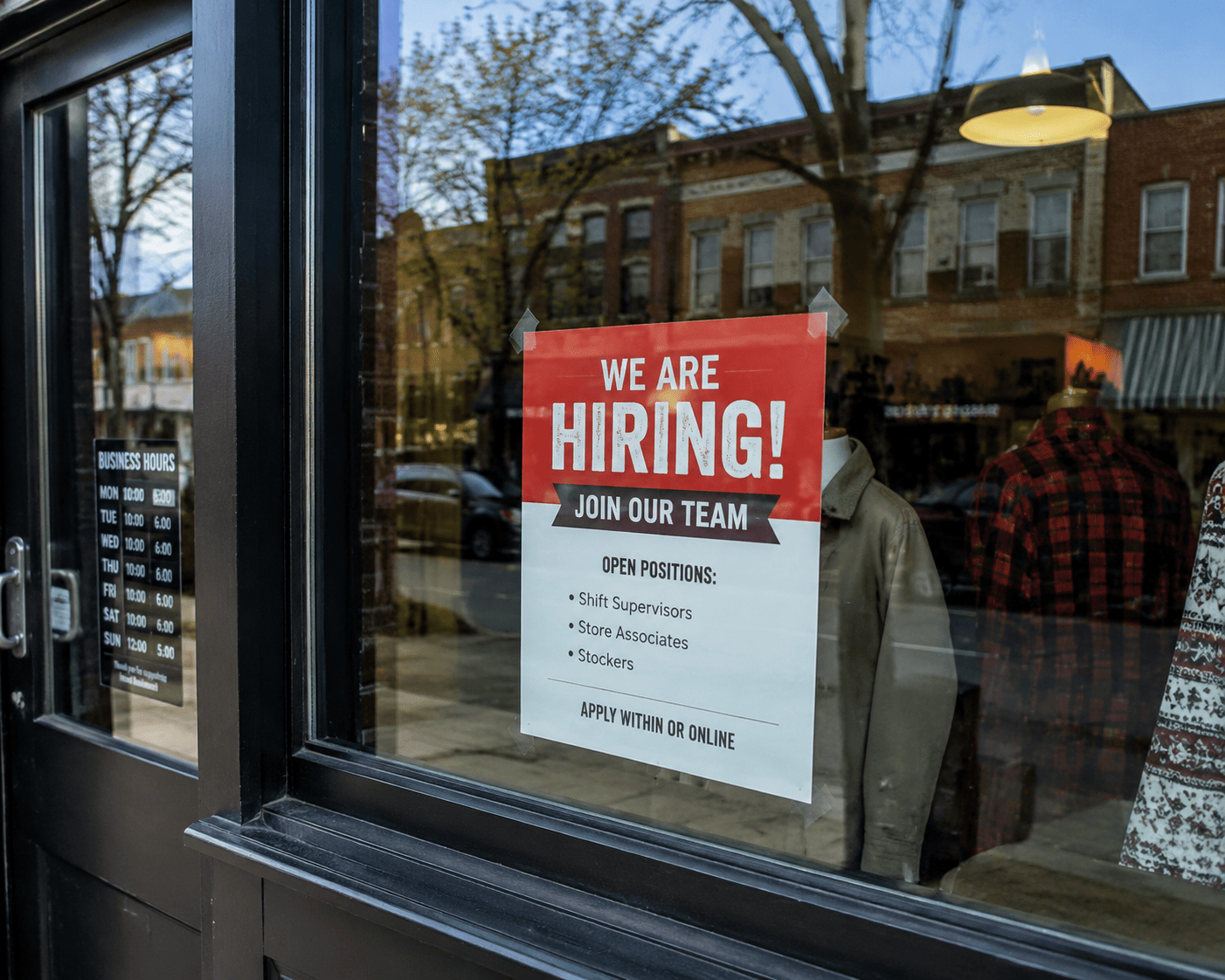
The U.S. labor market showed a mixed picture in June as job openings fell more than expected, but hiring gained momentum and layoffs stayed near historic lows, according to data released Tuesday by the Bureau of Labor Statistics.
The Job Openings and Labor Turnover Survey (JOLTS) revealed that available positions decreased by 178,000 to 7.359 million on the last business day of June. Economists had forecast 7.4 million openings, so the actual figure came in slightly below expectations.

The decline was largely concentrated in the healthcare and social assistance sector, which saw vacancies drop by 147,000 during the month. The overall job openings rate eased to 4.4% from 4.5% in May, reflecting a gradual cooling in labor demand.
Hiring picks up while layoffs remain low
Despite fewer open positions, employers increased hiring in June. Total hires rose by 96,000 to 5.348 million, lifting the hires rate to 3.4% from 3.3% in May. Layoffs and discharges were essentially unchanged at 1.766 million, with the layoff rate holding steady at 1.1%.
This combination of modest hiring and very low layoffs points to a labor market that is expanding slowly rather than contracting. Economists describe the current phase as a “slow-hire, slow-fire” environment, where businesses are cautious about adding workers but reluctant to let them go.
“Layoffs remain very low by historical standards, and are lower than they were a year ago. One of the surprising developments of 2026,” said Guy Berger, Senior Advisor on Labor Markets at Access/Macro. “That said, the picture for the improvement in the 1st half of 2026 makes more sense than it did 1-2 months ago. The lion's share of the improvement in employment growth has come from higher hiring (partly offset by a tiny rise in quits).”
Market implications and the upcoming jobs report
The JOLTS data arrives just days before the July employment report, scheduled for Friday, which will provide a more comprehensive view of labor market conditions. Economists polled by Reuters expect nonfarm payrolls to have increased by 80,000 in July, following a gain of 57,000 in June. The unemployment rate is projected to remain at 4.2%, though some analysts warn of upside risk after a Conference Board survey showed the share of consumers viewing jobs as “plentiful” fell to its lowest level since February 2021.
Some economists caution against overinterpreting the JOLTS report, noting that response rates have declined significantly in recent years, which could affect data reliability. However, the broader narrative remains one of resilience.
For the Federal Reserve, the stable hiring and low layoffs support a continued focus on inflation. The central bank left its benchmark interest rate unchanged at 3.50%–3.75% last week, with three policymakers dissenting in favor of a quarter-point hike, underscoring lingering inflation concerns.
Investors will be watching Friday’s jobs report for further clues on the labor market’s trajectory and its implications for monetary policy. For related analysis, see our coverage on UK retail sales strength and healthcare-driven market moves.
This article is for informational purposes only and does not constitute financial advice.