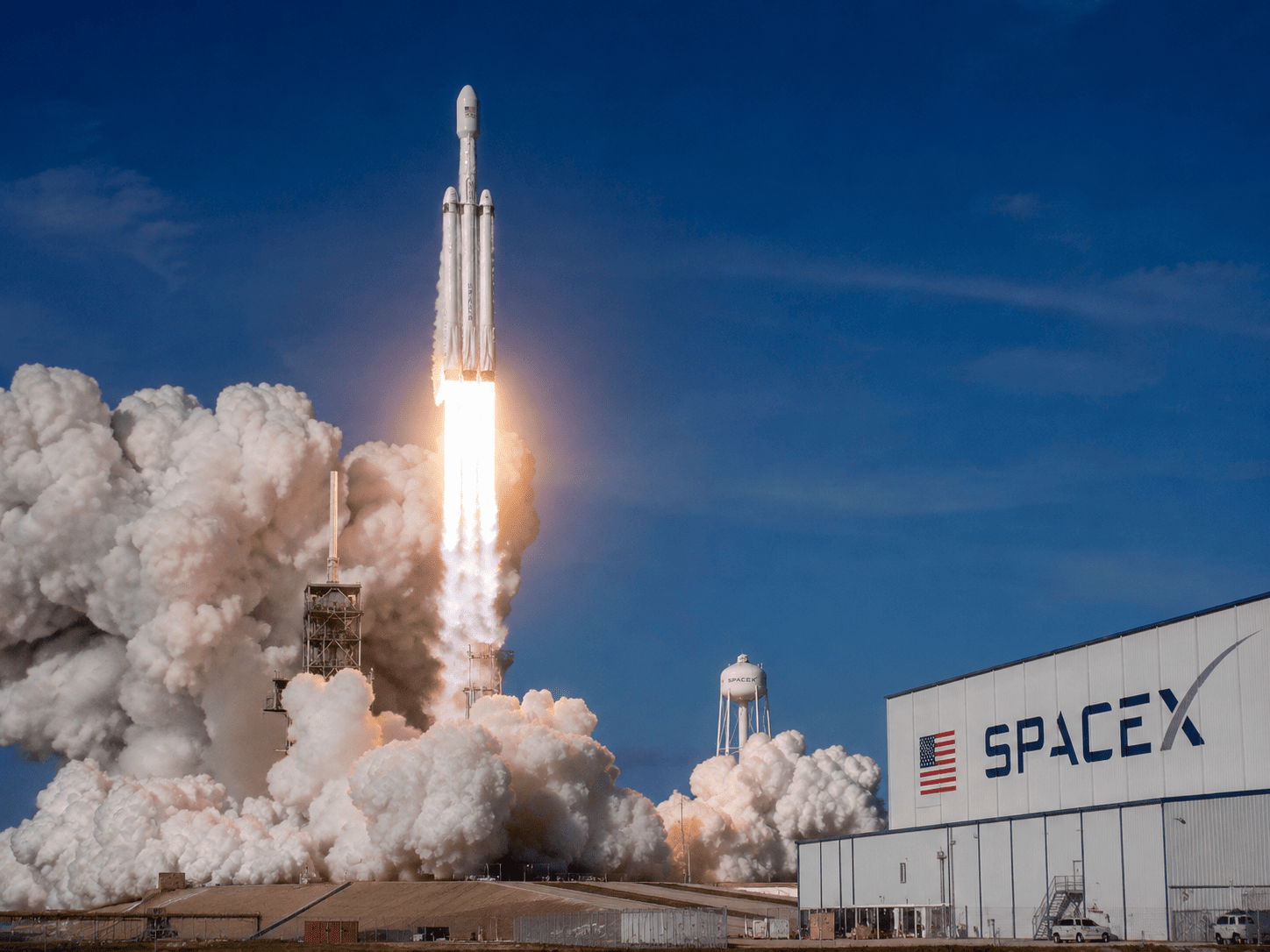
SpaceX (SPCX) is set to hit a major post-IPO milestone today as its first lockup period expires, unlocking up to 911.5 million insider-held shares for trading. The event marks the first significant test of investor sentiment since the company's public debut, with employees, early backers, and executives now free to sell a portion of their holdings.
Shares were trading about 2.7% higher in premarket action Thursday ahead of the unlock, suggesting some investors view the event as a potential buying opportunity. Morgan Stanley analyst Adam Jonas estimates that nearly $100 billion worth of SpaceX stock could become eligible for sale, calling the expiry an opportunity rather than a risk.
Staggered unlock designed to ease selling pressure
Unlike typical lockups that expire all at once, SpaceX structured its post-IPO restrictions in multiple stages to reduce the risk of a sudden flood of shares hitting the market. Thursday's release allows insiders to sell up to 20% of their restricted holdings, representing roughly 911.5 million shares.
A larger early release tied to the stock maintaining a price at least 30% above its $135 IPO price for five of ten consecutive trading days before earnings never materialized, as shares retreated sharply. The remaining insider shares will be released gradually over the coming months, with smaller tranches of around 7% scheduled for days 70, 90, 105, 120, and 135 after the June 12 IPO, followed by another major release after third-quarter earnings. The final lockup expires on December 8.
This staggered approach is intended to avoid overwhelming the market, but each release is expected to inject fresh volatility into the stock.
Insiders still sit on massive gains
Although SpaceX has lost much of its early momentum, insiders remain deeply profitable. The stock has fallen roughly 25% from its IPO price of $135 and has shed well over $1 trillion from its peak market capitalization. Shares last closed at $108.27 after falling 13% on Wednesday following the company's first earnings report.
Yet for employees and early investors, the recent decline is largely irrelevant. Many received equity years before the IPO at valuations far below today's trading price. An employee whose shares were granted when SpaceX was valued at $10 or $20 per share still stands to realize life-changing gains whether the stock trades at $130, $120, or even lower.
According to an earlier New York Times report, more than 4,400 current and former SpaceX employees were expected to become millionaires following the IPO, based on estimates from investment platform Hill.com. Around 400 were projected to hold stakes worth more than $100 million.
The choice for them, then, is between witnessing the arrival of a sudden fortune by realizing paper gains, or experiencing delayed gratification in the form of a potentially bigger fortune. CNBC's Jim Cramer has argued that investors should not judge SpaceX on quarterly results alone, and has already made a case for the stock being a multigenerational asset.
"SpaceX could be a 100-year piece of paper," the "Mad Money" host said, comparing it with century-long railroad bonds that rewarded patient investors over generations. "Maybe you put some away for the next generation or even the one after that."
If the insiders sell today, they won't be as well off as they could have been just a few weeks ago. On the other hand, for many of them, financial advisers say diversification is the rational choice regardless of their long-term confidence in the company.
AI spending rattles investors
The lockup expiry comes just one day after investors reacted sharply to SpaceX's first earnings report. The company nearly doubled quarterly revenue to $7.8 billion from $4.1 billion a year earlier, comfortably beating Wall Street expectations compiled by LSEG. Revenue from Starlink, which accounts for more than half of total sales, climbed 66%, while the company's AI business recorded revenue growth of roughly 250%.
However, investors focused instead on spending, which led to a 13% fall in SPCX on Wednesday. Capital expenditure surged to more than $18 billion from $2.8 billion a year earlier, with finance chief Bret Johnsen indicating that elevated investment levels would likely continue over the next several quarters. Most of that increase came from AI-related investments, where quarterly spending jumped to $15.8 billion from $749 million a year earlier.
"I would never recommend SpaceX if Musk weren't involved," Cramer said. "I'm confident that Musk can raise all of the money he needs."
Analysts split over insider selling
Market participants remain divided over how many insiders will actually sell. Robert Hackel, chief executive of brokerage firm RF Lafferty & Co., told Reuters he has received calls from pre-IPO investors looking to monetize part of their holdings to reinvest in private AI companies including Anthropic, OpenAI, and defense startup Anduril Industries. "You're going to see a lot of exits," he said. Morningstar analyst Nicolas Owens similarly expects substantial selling.
Others are less convinced. Gabriel Shahin, founder of Falcon Wealth Planning, told Reuters that conversations with SpaceX employees suggest many remain committed to the company's long-term future. "They're long-term believers in SpaceX, and as a result we tend to be more bullish on insiders also not selling and what that says about the stock," he said. But Shahin acknowledges that each of the upcoming lockup expiry dates is likely to make the stock more volatile.
For investors, the key question is whether the unlock will create a buying opportunity or signal a wave of selling. As the market digests the first tranche, attention will turn to the next scheduled releases and the company's ability to sustain its growth trajectory amid heavy AI spending. For more on SpaceX's recent earnings and market impact, see Starlink's orbital cost burden and post-IPO share drop.
This article is for informational purposes only and does not constitute financial advice.