
The Roundhill Memory ETF (DRAM) tumbled 6.5% in premarket trading on Tuesday, hitting a low of $60.65, as a broad selloff in memory stocks followed Samsung Electronics' latest earnings report. The fund has now declined more than 25% from its all-time high this year, and further downside may be ahead as a top Wall Street analyst cautions that the sector could face a rotation toward hyperscalers.
Samsung's Strong Results Fail to Lift Memory Stocks
Samsung Electronics posted a sharp jump in second-quarter revenue and operating profit, driven by surging demand for memory chips and higher prices. Operating profit rose to 89.4 trillion won ($58.4 billion), up from 57.2 trillion won a year earlier, while revenue climbed to 171 trillion won from 133.9 trillion won in the prior quarter. The company also guided for continued strength in demand and pricing through the remainder of the year, citing robust data center deployments.
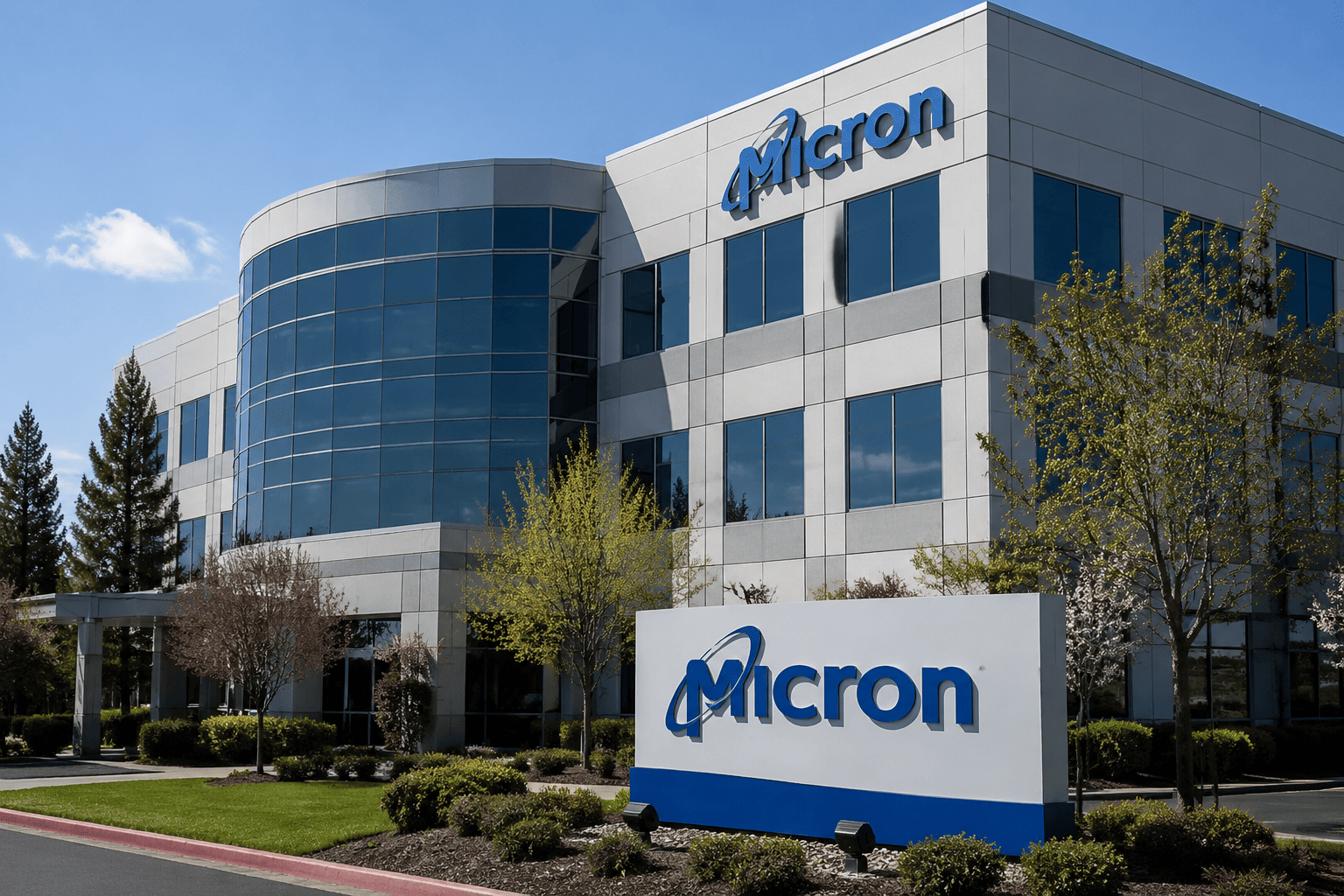
Despite the upbeat numbers, Samsung's stock fell in early trading, mirroring a pattern seen with Micron Technology in June. Micron shares initially surged to a record high of $1,246 after its earnings release but later erased those gains, currently trading around $935 in premarket action. The selloff suggests that much of the good news was already priced in, with investors using the earnings event to lock in profits.
Broader Memory Rout Spreads Globally
The weakness extended beyond Samsung. In Japan, Kioxia shares dropped over 10%, while South Korea's SK Hynix fell 6%. SK Hynix is set to raise capital and list in the U.S. later this week, adding to near-term uncertainty. In U.S. premarket trading, Micron slid 5.47%, SanDisk dropped 5.68%, and Western Digital and Seagate also traded lower.
The selloff highlights a key risk for the DRAM ETF: its heavy concentration. The fund's top three holdings account for 75.6% of its assets, making it highly sensitive to the performance of a few companies. Samsung alone exerts significant influence, and any negative sentiment toward the sector can disproportionately impact the ETF.
Analyst Warns of Rotation from Memory to Hyperscalers
Morgan Stanley's chief U.S. equity strategist Mike Wilson warned on Monday that memory stocks could be due for a correction, with investors rotating toward hyperscalers—large cloud and data center operators that benefit from AI infrastructure spending. Wilson's caution adds to a growing list of headwinds for the memory industry.
Other negative factors include reports that Meta Platforms may sell excess memory capacity, raising concerns about oversupply. A recent lawsuit accusing memory makers of price fixing, along with Apple's application to purchase memory from Chinese suppliers, could further pressure prices and margins.
For investors tracking the memory space, the recent moves underscore the volatility inherent in semiconductor-related ETFs. The DRAM ETF's decline also comes amid broader AI chip routs, with the Nasdaq under pressure as earnings season unfolds. Related coverage includes Samsung's 7% Post-Earnings Drop Signals AI Rally Fatigue Ahead of Big Tech Reports and SanDisk Tumbles 8% as Global Memory Selloff Deepens Despite Samsung's Record Profit.
As the market digests these developments, the memory sector remains at a crossroads. While demand from AI and data centers continues to grow, near-term sentiment is clouded by profit-taking, potential oversupply, and shifting investor preferences. The DRAM ETF's steep decline serves as a reminder of the risks in concentrated thematic funds.
This article is for informational purposes only and does not constitute financial advice.