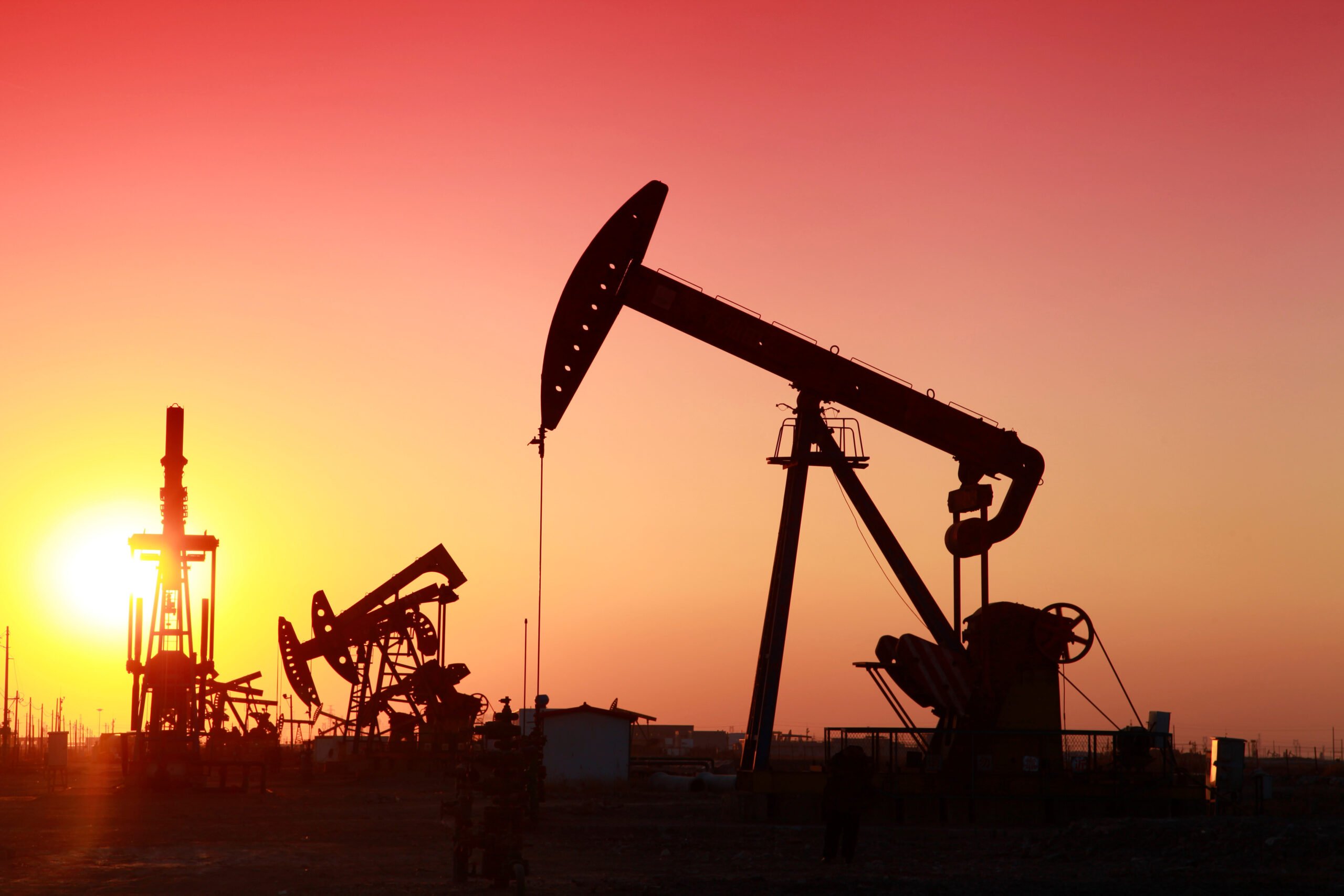
Oil prices staged a sharp rally on Wednesday after President Donald Trump signaled that the ceasefire between the United States and Iran had collapsed, renewing fears of supply disruptions in the Middle East and sending crude benchmarks to multi-week highs.
West Texas Intermediate (WTI) futures jumped 5.69% to settle at $74.45 per barrel, while Brent crude advanced 5.85% to $78.50 per barrel. The move extended gains from earlier in the session, with Brent already trading near $76 as pressure on the truce mounted overnight.
Trump: 'I think it's over'
Speaking at a joint press conference with NATO Secretary General Mark Rutte in Ankara, Turkey, Trump stated that he no longer considered the ceasefire with Iran to be in effect. “To me, I think it's over,” Trump said. “I don't want to deal with them anymore as far as I'm concerned, it's over.” He added that continued engagement with Tehran was “a waste of time.”
The remarks came shortly after the US military launched strikes against Iran in response to attacks on three commercial vessels transiting the Strait of Hormuz on Tuesday. Washington warned that Tehran would face “heavy costs” for targeting commercial shipping.
Military strikes and shipping attacks escalate tensions
US Central Command said in a statement that the strikes were “in response to Iranian attacks on three commercial vessels that were transiting the Strait of Hormuz,” calling the aggression “unwarranted, dangerous, and a clear violation of the ceasefire.” The ceasefire, reached last month, had reopened the strategic waterway to commercial shipping after months of disruption.
The US-led Joint Maritime Information Center raised its threat assessment for vessels passing through the Strait of Hormuz to “severe,” warning that further hostile action by Iran was likely. The waterway handles about 20% of the world's oil supply, making any disruption a major concern for global energy markets.
US tightens pressure on Iran
Adding to market anxiety, the US Treasury Department withdrew a waiver on Tuesday that had permitted Iran to continue selling its oil. A US official, speaking on condition of anonymity, told CNBC: “Iran will only reap benefits if they exhibit good behavior. Iran's actions in the Strait were wholly unacceptable to the United States and will be met with consequences.”
Iran condemned the US military action, with its foreign ministry describing the strikes as a “gross violation of the Memorandum of Understanding” that had ended the conflict last month.
The renewed tensions have also weighed on broader equity markets. The FTSE 100 dropped 1.3% as Trump's remarks reignited Middle East concerns, while Dow futures plunged 564 points on fears that higher oil prices could stoke inflation.
Analysts warn that if the Strait of Hormuz is again disrupted, oil prices could spike further, potentially testing $80 for WTI and $85 for Brent. The situation remains fluid, with traders closely monitoring any diplomatic or military developments.
This article is for informational purposes only and does not constitute financial advice.