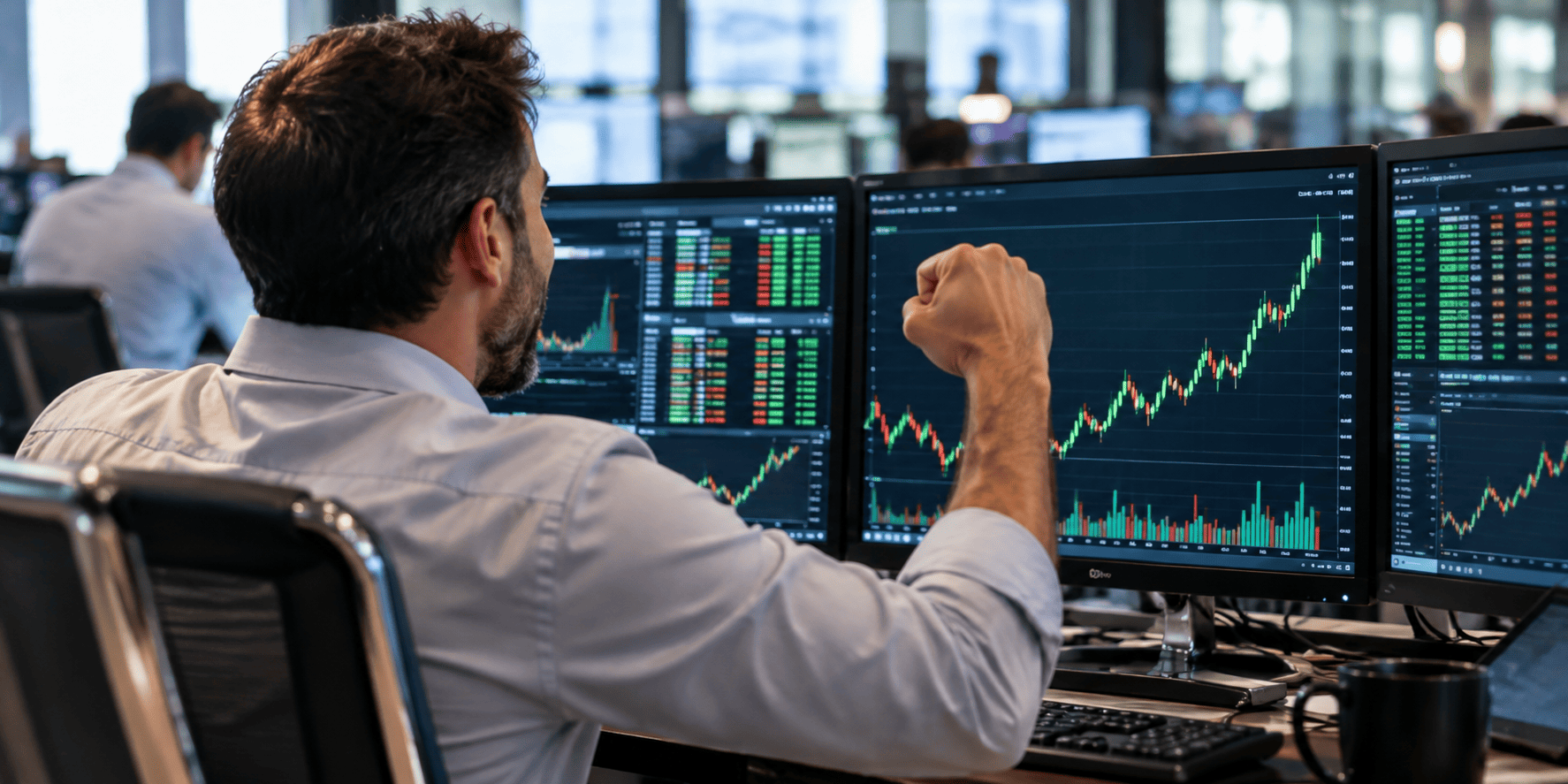
Tesla (TSLA) shares declined approximately 2.2% to $393.91 in midday trading Wednesday, extending a 4% drop from the prior session. The broader market also weakened, with the S&P 500 falling 0.8% and the Dow Jones Industrial Average losing 1.5%.
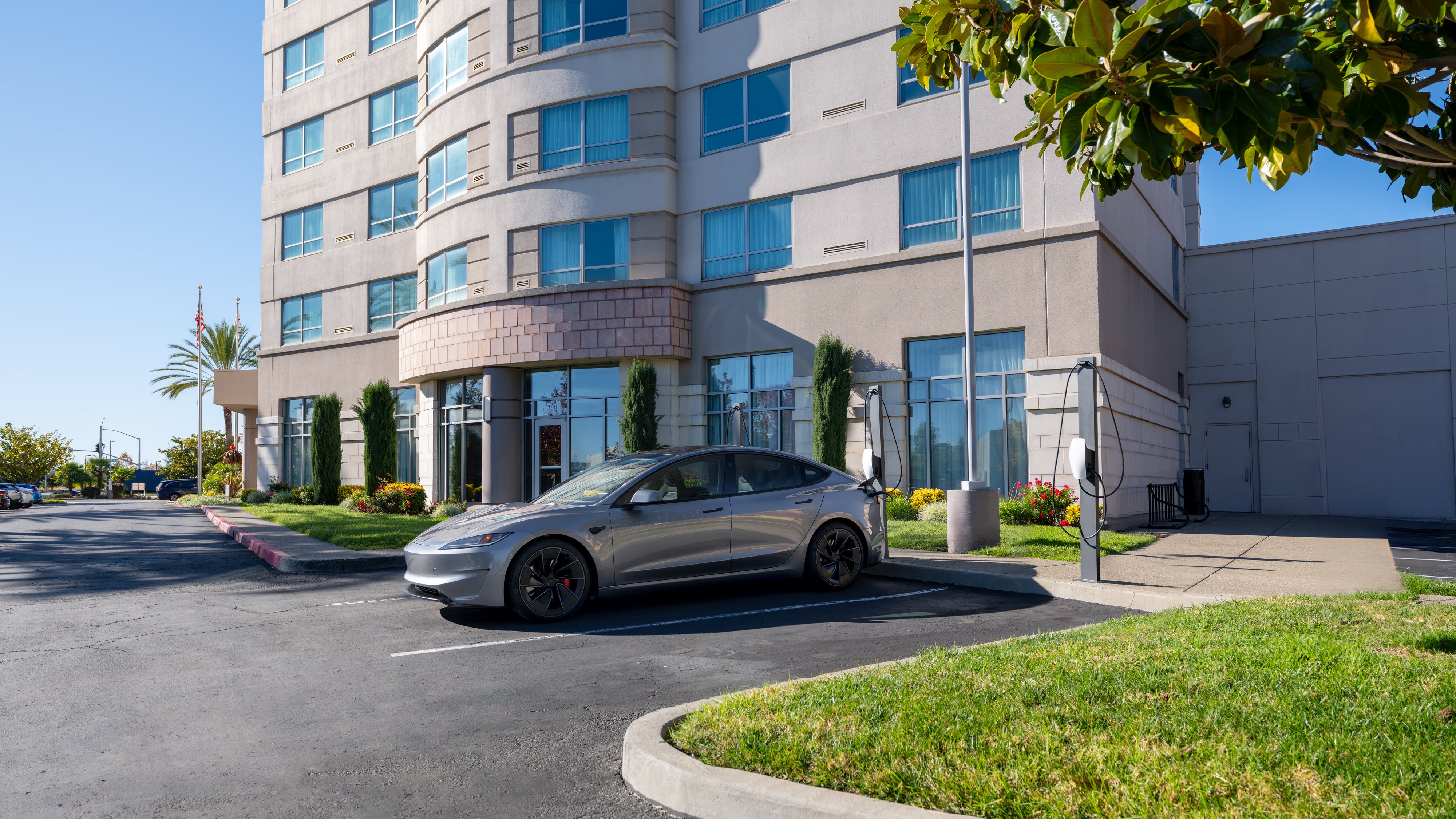
The decline came despite Tesla recently reporting stronger-than-expected second-quarter deliveries of about 480,000 vehicles—roughly 70,000 units above Wall Street estimates and 25% higher year-over-year. Investors, however, continued to look past the electric-vehicle maker's automotive performance, focusing instead on its longer-term artificial intelligence initiatives.
AI and Robotics Remain the Primary Valuation Drivers
Market participants are placing greater emphasis on Tesla's expansion of its robotaxi network and the development of its Optimus humanoid robot. The company launched its AI-trained robotaxi service in Austin approximately a year ago and now operates across three states. Investors are awaiting meaningful revenue and earnings contributions from the autonomous ride-hailing business.
Similarly, the third generation of the Optimus humanoid robot is viewed as central to Tesla's long-term growth narrative. For many investors, progress in robotaxis and robotics is expected to have a more significant impact on Tesla's valuation than incremental improvements in vehicle sales. This sentiment has kept the stock under pressure despite the delivery beat, with shares down roughly 10% year-to-date.
For more context on recent delivery-driven moves, see Tesla Stock Drops 3% Despite Record Deliveries: Profit-Taking and AI Focus Weigh.
JPMorgan Highlights Merger Obstacles
Separately, JPMorgan analyst Rajat Gupta weighed in on the potential for a merger between Tesla and SpaceX, two companies led by Elon Musk. In a note Tuesday, Gupta described the combination as "strategically coherent on paper" but flagged significant regulatory and governance hurdles.
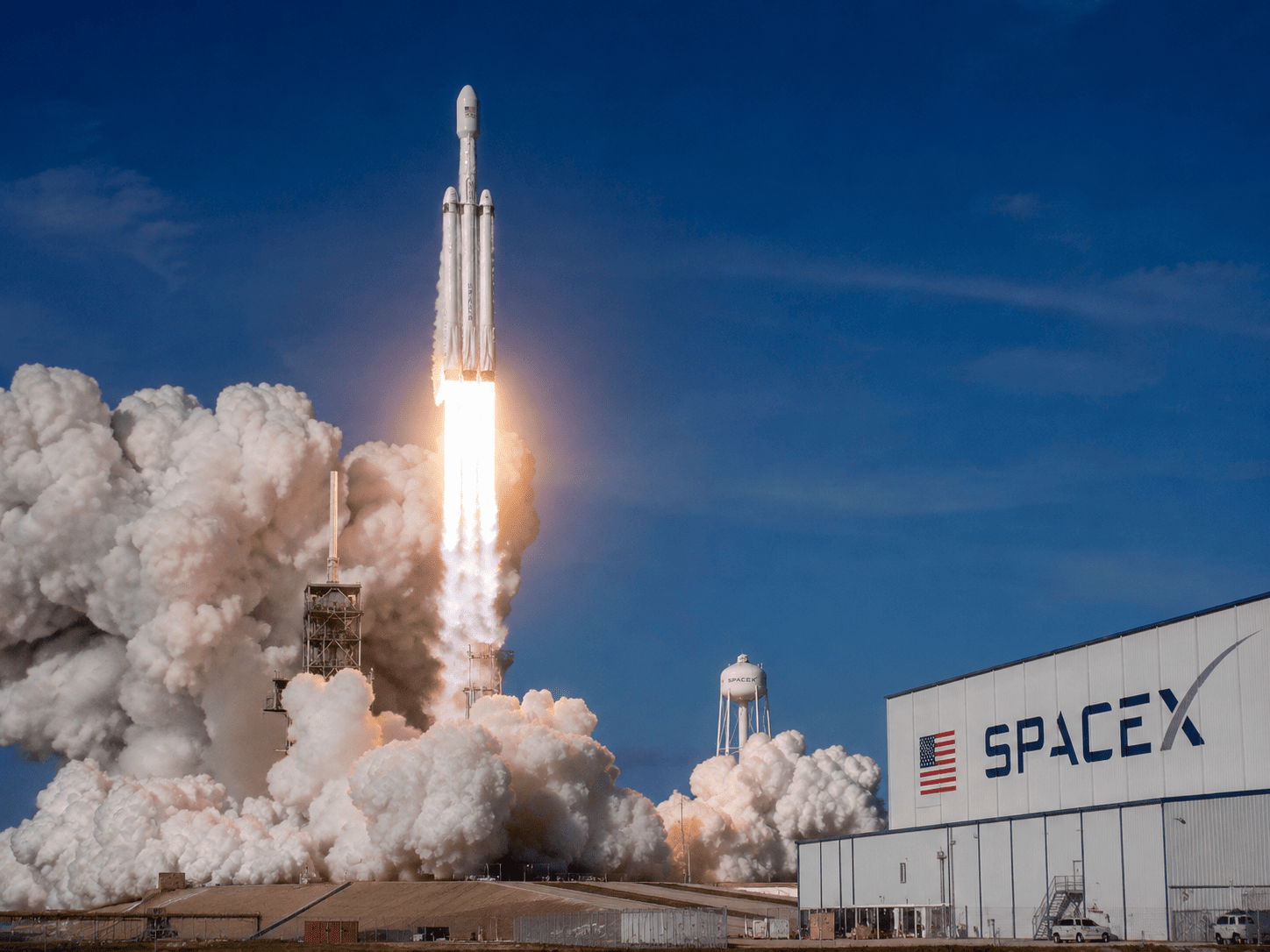
Gupta noted that SpaceX recently completed a record initial public offering, raising approximately $85 billion at $135 per share and valuing the company at around $2 trillion. Tesla's market capitalization stands at roughly $1.25 trillion. While SpaceX's public listing provides valuable acquisition currency, Gupta identified several obstacles.
China represents a major regulatory challenge due to SpaceX's U.S. government and defense contracts alongside Tesla's extensive manufacturing operations in the country. Governance concerns also loom: Musk controls roughly 85% of SpaceX's voting power but only about 20% of Tesla's, potentially complicating any merger and raising dilution concerns for Tesla shareholders. Gupta added that the size difference between the two companies could make the transaction resemble a SpaceX acquisition of Tesla rather than a merger of equals.
For a deeper dive into the analyst's perspective, see JPMorgan: Tesla-SpaceX Merger 'Strategically Coherent' but Not a Buy Signal.
Operational Ties Already Extensive
Even without a formal combination, operational ties between Tesla and SpaceX are already extensive. The companies share engineering talent, artificial intelligence infrastructure, and the Terafab semiconductor facility in Texas. A merger would unify leadership across businesses spanning AI, robotics, transportation, energy, and space, while leveraging shared assets.
As the market continues to weigh Tesla's near-term automotive performance against its long-term AI and robotics ambitions, the stock remains sensitive to developments on both fronts. Investors are also monitoring the potential impact of a SpaceX-Tesla tie-up, though regulatory and governance hurdles suggest any transaction would face significant challenges.
For additional context on how the SpaceX IPO has influenced Tesla's stock, see Tesla Dips 2.4% as SpaceX IPO Draws Investor Capital; SPCX vs. TSLA Analysis.
This article is for informational purposes only and does not constitute financial advice.