Geopolitical Uncertainty Fuels Dollar Strength
The US dollar regained momentum on Thursday, closing 0.3% higher as comments from US leadership tempered market expectations for a rapid de-escalation of Middle East tensions. The dollar index, which measures the currency against a basket of peers, advanced to 99.86 after touching a three-week low earlier in the session. This reversal highlights the currency's continued role as a primary refuge during periods of geopolitical stress.
Market Reaction to Evolving Conflict Outlook
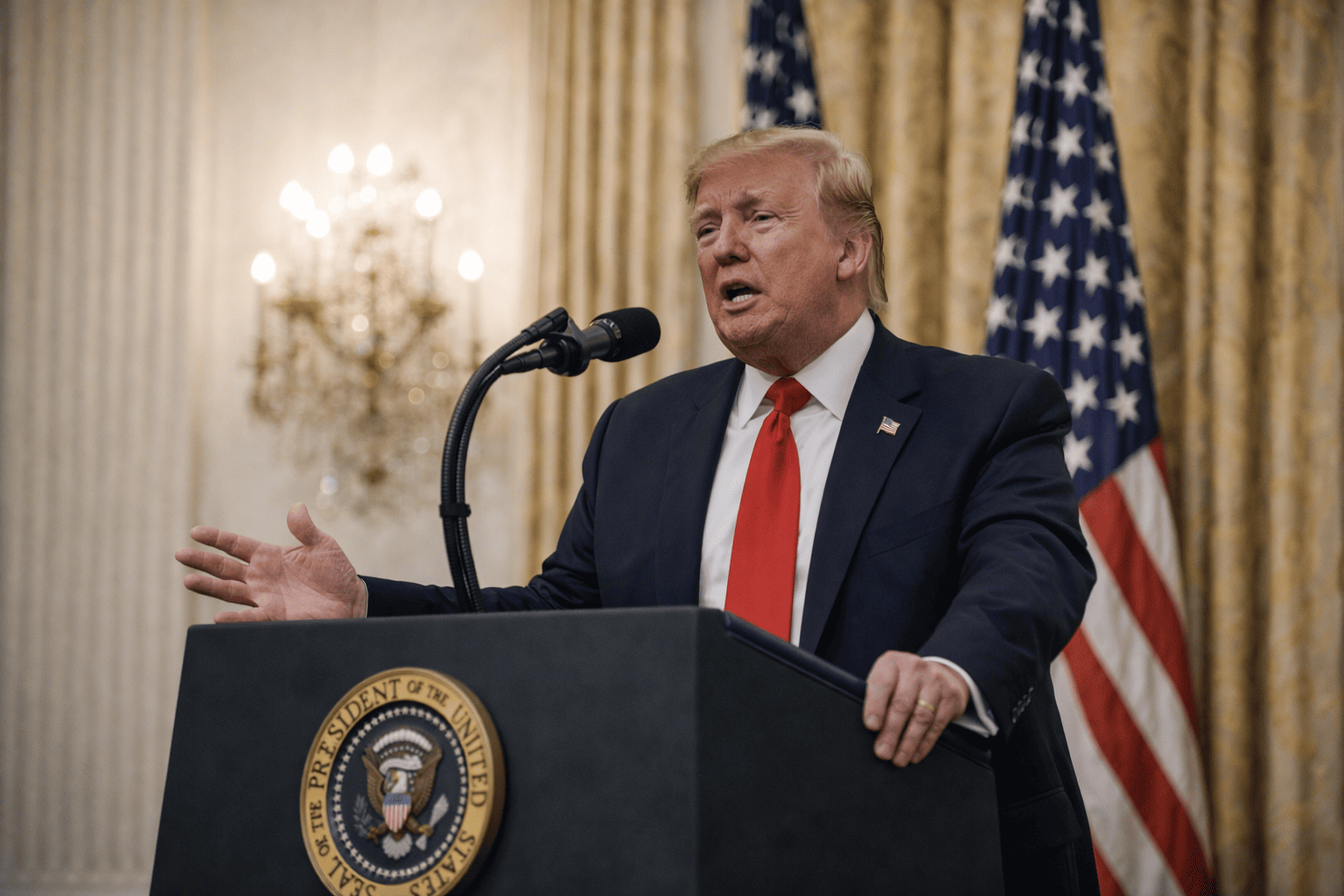
President Donald Trump stated that Iran had acted in a concerning manner, suggesting that while the situation might be moving toward resolution, US military actions could persist for several more weeks. Financial markets interpreted these remarks as signaling a potential escalation before any lasting calm, prompting an immediate shift away from risk-sensitive assets. This shift directly benefited the US dollar as investors sought stability.
Major currency pairs reflected this flight to safety. The euro and British sterling each declined approximately 0.3% against the greenback. The Australian and New Zealand dollars, often viewed as proxies for global risk appetite, faced more pronounced selling pressure, each shedding roughly 0.6%. The Japanese yen, another traditional haven, weakened to 159.25 per dollar, remaining below the psychologically significant 160 level that analysts watch for potential intervention by Japanese authorities.
Analysts Assess the Dollar's Haven Appeal
Market strategists noted that investor sentiment had recalibrated following the presidential comments. Carol Kong, a strategist at Commonwealth Bank of Australia, observed that markets are acknowledging the conflict may intensify further before subsiding, a dynamic that typically underpins demand for the US dollar. Separately, a director from Goldman Sachs suggested the currency could see further appreciation against the euro and yen if investors begin pricing in a broader slowdown in worldwide economic growth spurred by ongoing instability.
Futures market positioning indicates traders are adjusting their portfolios in anticipation of a prolonged geopolitical standoff. This includes expectations for sustained dollar strength and a reassessment of the Federal Reserve's capacity to implement monetary easing in the near term. The S&P 500 index's 1.1% weekly decline further underscored the prevailing cautious mood across financial markets.
Upcoming Data and Federal Reserve Policy in Focus
Investor attention is now pivoting toward key US economic indicators. The March non-farm payrolls report, with consensus forecasts anticipating an addition of 60,000 jobs, is a primary focus. Analysts suggest that even a softer-than-expected jobs figure may not substantially alter the interest rate outlook. Sharply higher oil prices, a consequence of regional tensions, are projected to constrain consumer spending and exert upward pressure on inflation, potentially complicating the Fed's policy path.
The release of the latest Federal Reserve meeting minutes this week will be scrutinized for insights into the central bank's assessment of economic risks, including those stemming from geopolitics. The combination of uncertain international developments and a packed schedule of domestic data releases creates an environment where the dollar is likely to find continued support. For related analysis on currency movements, see our report on the longer-term challenges to the dollar's trust premium.
Near-Term Outlook for Major Currencies
The immediate trajectory for the US dollar appears closely tied to developments in the Middle East. Safe-haven demand is expected to provide a floor for the currency as long as the conflict shows no definitive signs of resolution. In this context, the balance of near-term risk seems to favor the greenback against its major counterparts. The performance of other haven assets, such as gold, often moves inversely to the dollar during risk-off episodes; readers can explore this dynamic in our coverage of gold price action amid dollar fluctuations.
Furthermore, the potential economic ramifications of prolonged instability are significant. Infrastructure damage in the region could have far-reaching effects on energy markets and global growth, factors that would influence all major currencies. An assessment of potential costs can be found in our article detailing that Middle East energy infrastructure damage could reach $58 billion.
This article is for informational purposes only and does not constitute financial advice.