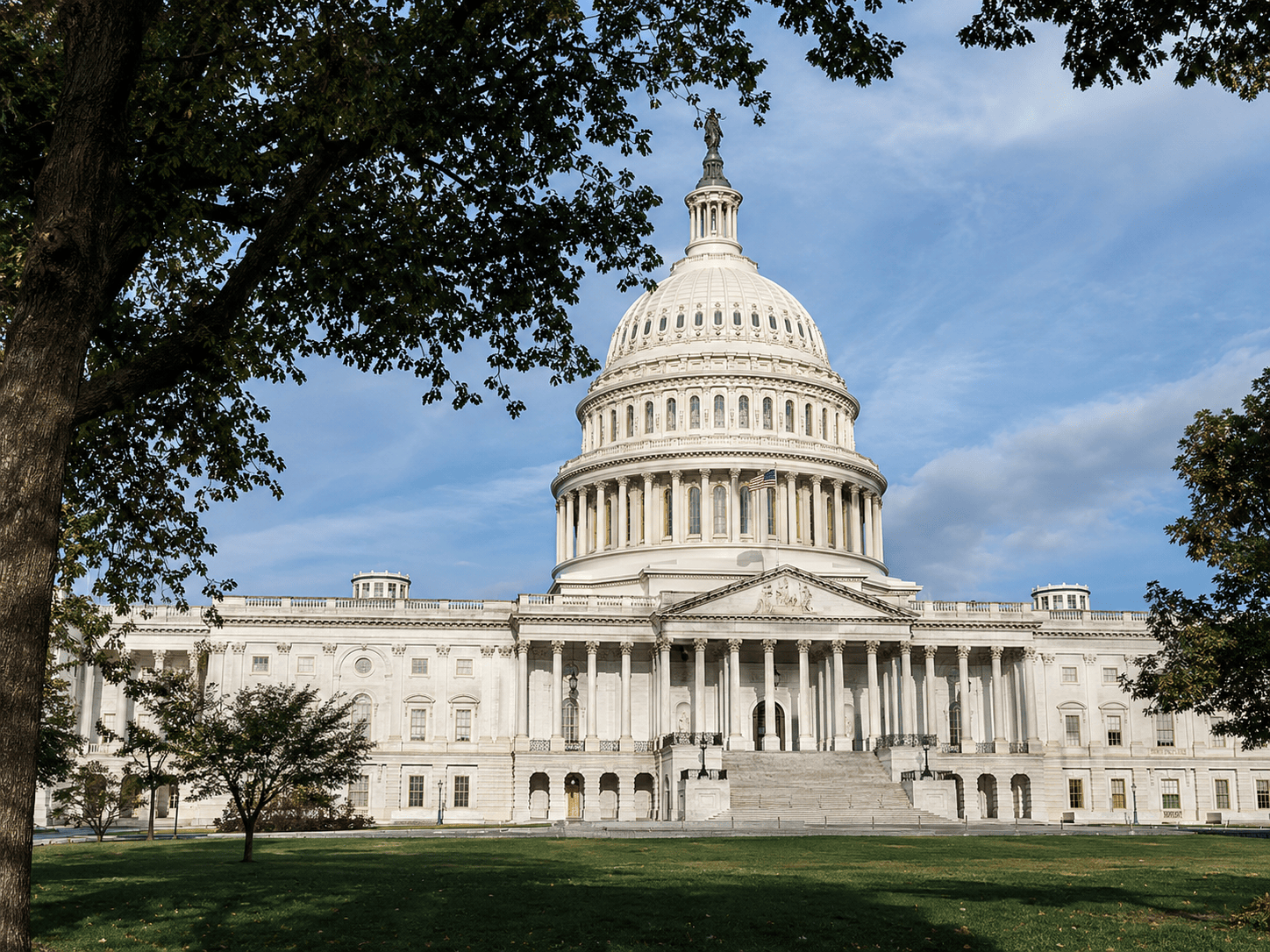
The US midterm elections are underway, and investors are closely watching the potential shift in congressional power. The outcome could shape fiscal policy, regulatory oversight, and key investment themes such as artificial intelligence, clean energy, and healthcare.
Prediction markets currently assign nearly 75% odds to Democrats taking the Senate. UBS Chief Investment Officer Mark Haefele estimates a 50% probability of a Democratic sweep, a 40% chance of split control with Democrats winning the House and Republicans retaining the Senate, and a 10% likelihood that Republicans hold both chambers.

Early Tuesday, US stock futures were mixed as investors digested Apple's quarterly earnings and awaited election results. Dow Jones Industrial Average futures slipped 0.59%, while S&P 500 futures edged down 0.07%. Nasdaq-100 futures rose 0.35%.
AI Stocks Face Increased Scrutiny
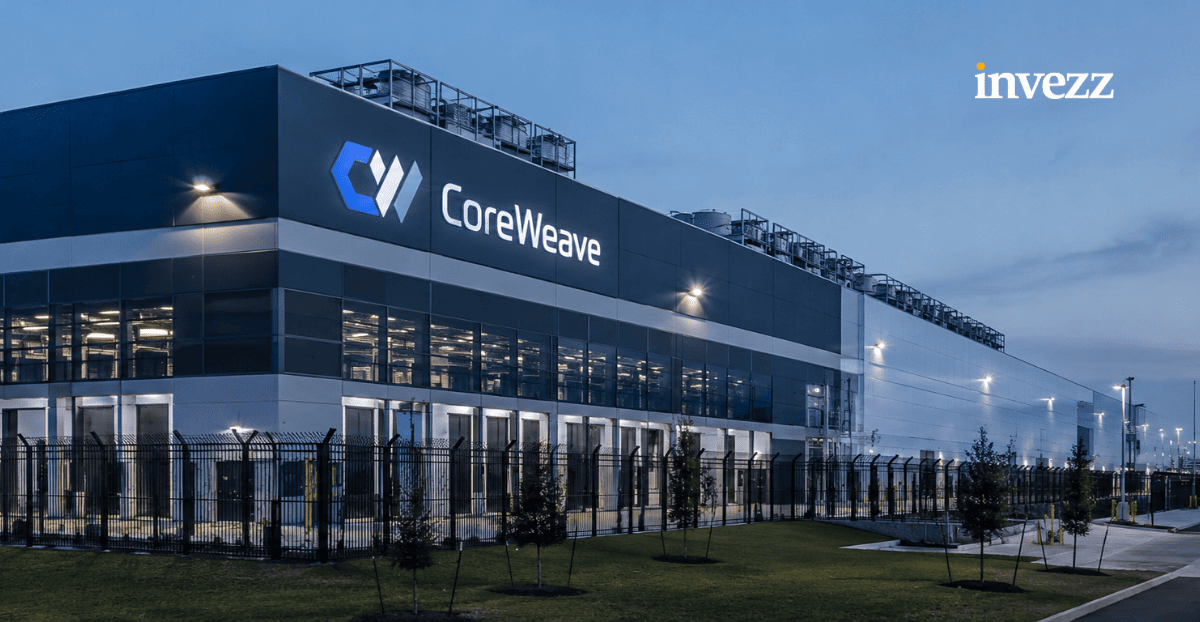
A Democratic victory in both chambers could bring heightened oversight of the technology sector, particularly companies developing frontier AI models and building the data centers that support them. Investors have been betting on continued rapid growth in AI-related spending, but any indication of regulatory slowdown or additional compliance requirements could unsettle those who have benefited from the infrastructure investment boom.
Raymond James Washington policy analyst Ed Mills noted that congressional investigations could accelerate efforts to introduce safety standards for frontier AI models, require independent evaluations and incident reporting, and make data-center developers more accountable. A Democratic-controlled Congress could also compel technology executives to testify under oath or provide records concerning harmful behavior by AI agents.
Public support for the rapid expansion of data centers remains limited, with only one in three Americans approving of the pace, according to a Reuters/Ipsos poll. Greater scrutiny could weigh on companies involved in data storage, memory, and semiconductor equipment, particularly those whose valuations have benefited from expectations of sustained AI infrastructure spending. Micron Technology, SanDisk, and Seagate are among the companies that could attract investor attention given their exposure to AI-driven data storage and memory demand.
Last month, Bank of America's chief equity strategist Michael Hartnett warned that a Democratic sweep could trigger a more than 10% fall in US stocks, as it would constrain the president's ability to advance his policy agenda, including efforts to maintain American supremacy in AI relative to China.
However, UBS does not expect a change in congressional control to derail data center expansion, since many relevant decisions are made at state and local levels. "The most visible effects of a change in congressional control would likely be greater oversight of the administration and more difficult fiscal negotiations," Haefele said. He added that the midterms should not be treated as a binary directional event for equities, bonds, or the dollar.
Fiscal Policy and Debt Ceiling Risks
Fiscal policy is another major concern, particularly as the US government faces large deficits and rising interest costs. A Democratic-controlled Congress could soften or delay some proposed spending cuts, while debt-ceiling negotiations in 2027 could become more contentious. This may result in less fiscal tightening than investors currently anticipate.
Haefele said Democratic control could make fiscal negotiations more difficult and create volatility around the debt ceiling. However, narrow congressional majorities and the president's veto power are likely to limit the scope for sweeping legislative changes. The White House would retain considerable authority over tariffs, foreign policy, and regulation.
Charles Schwab has also warned that a Democratic House could lead to more confrontations over government funding and debt-limit negotiations, creating potential sources of market volatility. UBS expects Treasury yields to settle slightly lower over the next 12 months, arguing that easing inflation should eventually outweigh persistent fiscal concerns. Haefele advised investors against positioning portfolios around a particular political outcome, instead recommending diversification across durable sources of growth and income.
Sector Implications: Clean Energy and Healthcare
A strong Democratic showing could improve the outlook for clean-energy companies, as Democrats have historically supported renewable energy incentives and stricter environmental regulations. Healthcare stocks might also benefit from a more predictable regulatory environment, though drug pricing reforms could remain a risk.
As the election results unfold, investors will be watching for signals on AI policy, fiscal negotiations, and sector-specific legislation. The midterms are set to influence market dynamics for the next two years, with implications for technology, energy, and healthcare investments.
This article is for informational purposes only and does not constitute financial advice.