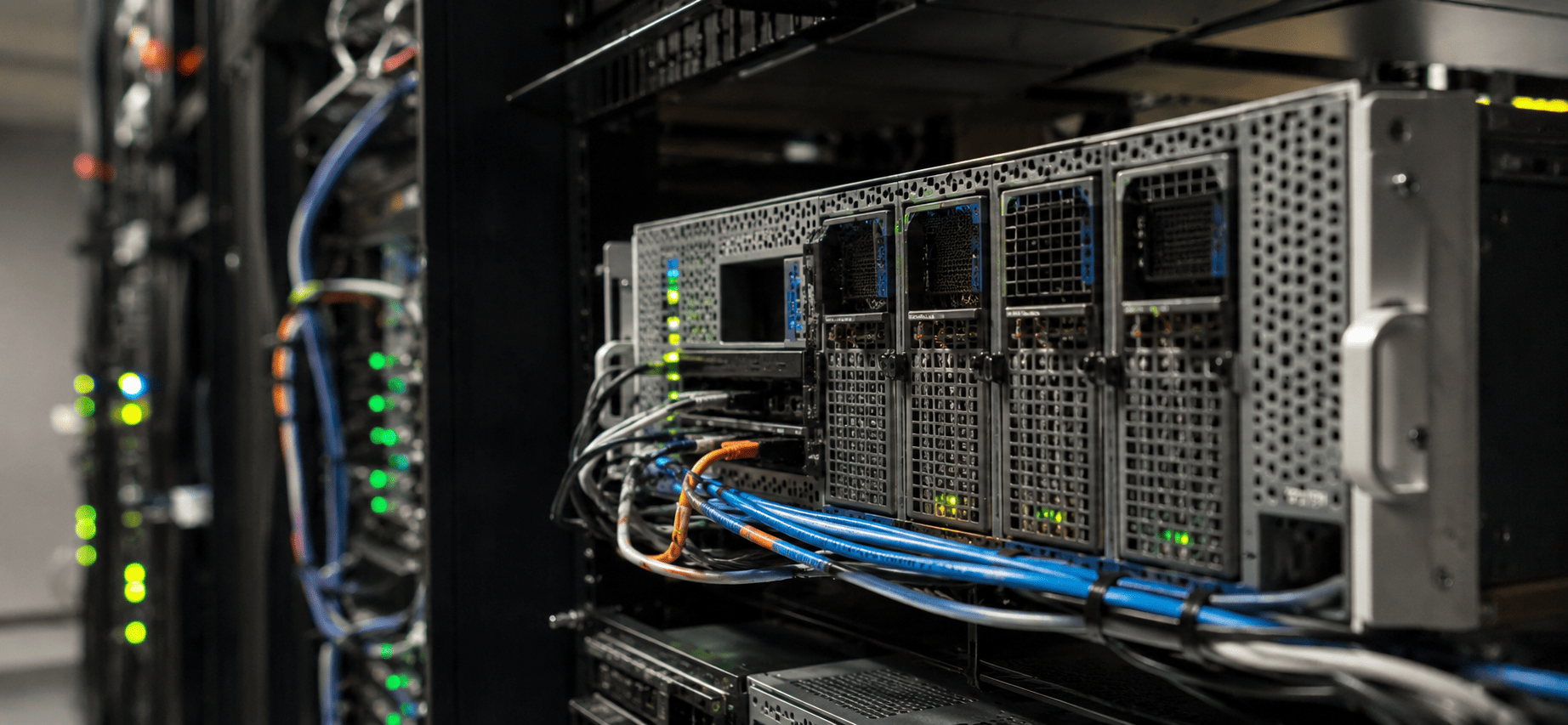
The recent Democratic gains in the midterm elections have introduced a new political variable for artificial intelligence (AI) stocks, as policymakers signal a tougher stance on data center expansion. While some investors initially viewed this as a threat to the AI boom, a growing number of economists and market strategists argue that a more measured buildout could ultimately strengthen the sector by curbing excess spending, improving capital discipline, and prolonging the AI investment cycle.
A cooling AI boom could prevent a more painful bust
The AI trade has been propelled by massive investments in data centers, semiconductors, power infrastructure, and cloud computing capacity. However, some economists believe the pace of spending has become unsustainable, echoing patterns seen in previous technology bubbles. Joseph Brusuelas, chief economist at RSM US, contends that AI investment needs to moderate to a more sustainable level, warning that every boom eventually attracts poor capital allocation, excessive risk-taking, and unprofitable projects. A gradual expansion could reduce the likelihood of a sharp correction later.

Similar concerns have surfaced on Wall Street. Bank of America economist Aditya Bhave recently noted that AI-related capital expenditures have been expanding at an extraordinary rate, suggesting that parts of the spending cycle may be overly front-loaded. In this context, political resistance to unrestricted data center growth could serve as an unexpected stabilizer rather than a headwind.
Winners and losers are emerging in the AI ecosystem
Markets are already beginning to differentiate between companies that benefit from restrained spending and those that depend on relentless infrastructure growth. Major hyperscalers including Microsoft, Amazon, Alphabet, and Meta gained ground following the election outcome, as investors interpreted a slower buildout as potentially positive for profitability. Reduced capital intensity could ease pressure on balance sheets and cash flows at a time when financing large-scale AI projects is becoming increasingly expensive.
On the other side of the trade, firms tied directly to data center construction and power demand came under pressure. Energy infrastructure providers and AI-focused cloud operators suffered notable declines as investors reassessed growth expectations. This reaction highlights a key change in market thinking: investors appear increasingly focused on returns from AI investment rather than simply the amount of capital being deployed, a shift that could favor established technology giants over more speculative beneficiaries of the boom.
Longer-term AI growth may become more sustainable
A more measured pace of infrastructure development could also have broader economic benefits. If capital is no longer concentrated almost exclusively in AI-related projects, some of those funds may flow into other productive sectors of the economy, helping diversify growth and reduce dependence on a single investment theme.
The outlook remains uncertain. AI companies continue to seek hundreds of billions of dollars for computing capacity, chips, software, and infrastructure, and demand for artificial intelligence services remains robust. At the same time, policymakers in several states appear to be moving toward compromise solutions that balance economic development with concerns over energy consumption and grid reliability.
For investors, the key takeaway is that slower does not necessarily mean weaker. Political friction may create volatility in the months ahead, but if it prevents overbuilding and encourages smarter capital allocation, the result could be a healthier and more durable AI bull market over the long run.
This article is for informational purposes only and does not constitute financial advice.