
Brent crude oil (BZ=F) continues to trade in a tight range around $95.40 as of June 5, with investors closely monitoring the evolving US-Iran crisis and the collapse of ceasefire talks between Israel and Lebanon. The commodity has been stuck in a narrow band this week, reflecting uncertainty over the next major catalyst for prices.
Hezbollah Rejects Ceasefire, Raising Odds of Escalation
Hezbollah's rejection of the proposed ceasefire between Israel and Lebanon has significantly reduced hopes for a quick de-escalation in the region. The group argued that the deal was not in Lebanon's interests and amounted to surrender, ensuring that hostilities will continue. This development is critical because Iran has linked any potential agreement with the US to progress in Lebanon. With talks stalled, the risk of renewed kinetic action between Iran and the United States has increased. Just this week, Iran launched missiles toward Kuwait in response to US strikes on its targets, underscoring the fragile state of affairs.
Strategic Reserves and Driving Season Add Pressure
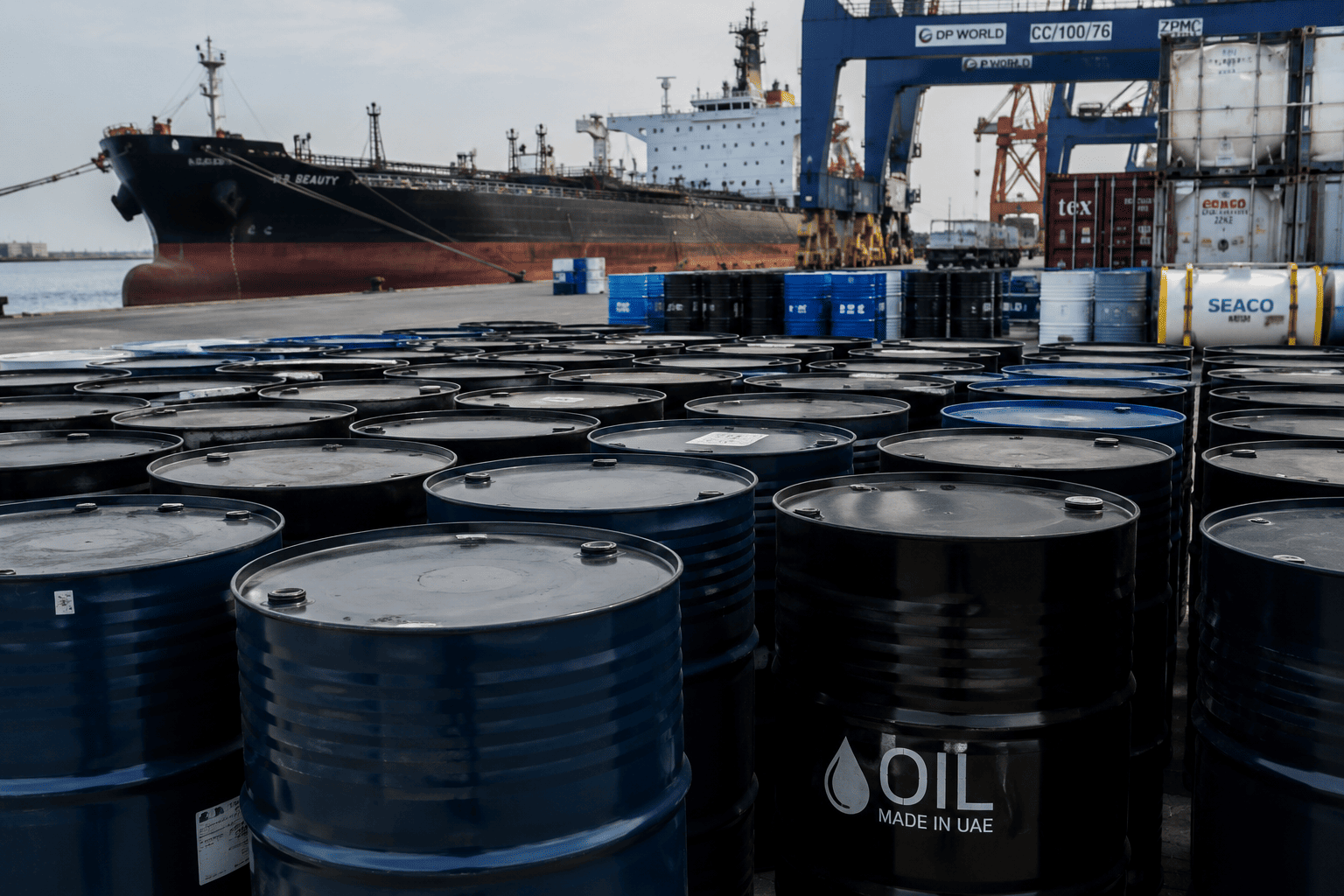
Adding to supply concerns, US oil inventories have continued to decline, while drawdowns from the Strategic Petroleum Reserve (SPR) have accelerated to their lowest levels in years. If this trend persists, the SPR could be depleted within months. Meanwhile, the US driving season is underway, typically a period of peak petroleum demand. The Strait of Hormuz, which previously handled 20.3 million barrels per day, is now effectively closed due to Iran's blockade and the US countermeasures. Saudi Arabia has boosted pipeline exports to 7 million barrels per day, and US and Canadian exports have surged, but these increases have not fully offset the losses from the strait.
As European stocks dip amid the tensions, the broader market is weighing the potential for further supply disruptions. Some analysts warn that if the Strait of Hormuz remains closed for an extended period, the global oil market could face severe shortages.
Technical Analysis: Double-Top vs. Island Reversal
From a technical perspective, Brent crude is sending mixed signals. The daily chart shows the price has fallen below the 50-day exponential moving average (EMA), indicating that bears retain control. Additionally, a double-top pattern has formed, a classic bearish reversal signal that could drive prices down to the $60 support level. However, an island reversal pattern has also emerged, which could trigger a rebound above the $100 resistance level, potentially reaching $110 or higher.
Investors are watching these technical levels closely, as a breakout in either direction could be significant. The recent surge past $90 highlighted the market's sensitivity to geopolitical shocks, and a similar move could occur if tensions escalate further.
Outlook: Waiting for a Catalyst
For now, Brent remains in a consolidation phase, with the market waiting for a clear catalyst. A diplomatic breakthrough could send prices sharply lower, while any new military confrontation could push them higher. The interplay between falling inventories, seasonal demand, and geopolitical risk will likely determine the next major move.
This article is for informational purposes only and does not constitute financial advice.