In the early 2000s, as mobile phones began to replace landlines, Verizon faced a structural decline in its core business. The company turned to a familiar corporate instrument: the voluntary buyout, offering packages to roughly 152,000 employees. A few years later, Ford, deep in losses, extended buyout offers to about 75,000 workers. For decades, large-scale voluntary separation programs carried a clear meaning: companies in distress trying to shrink their way toward stability.
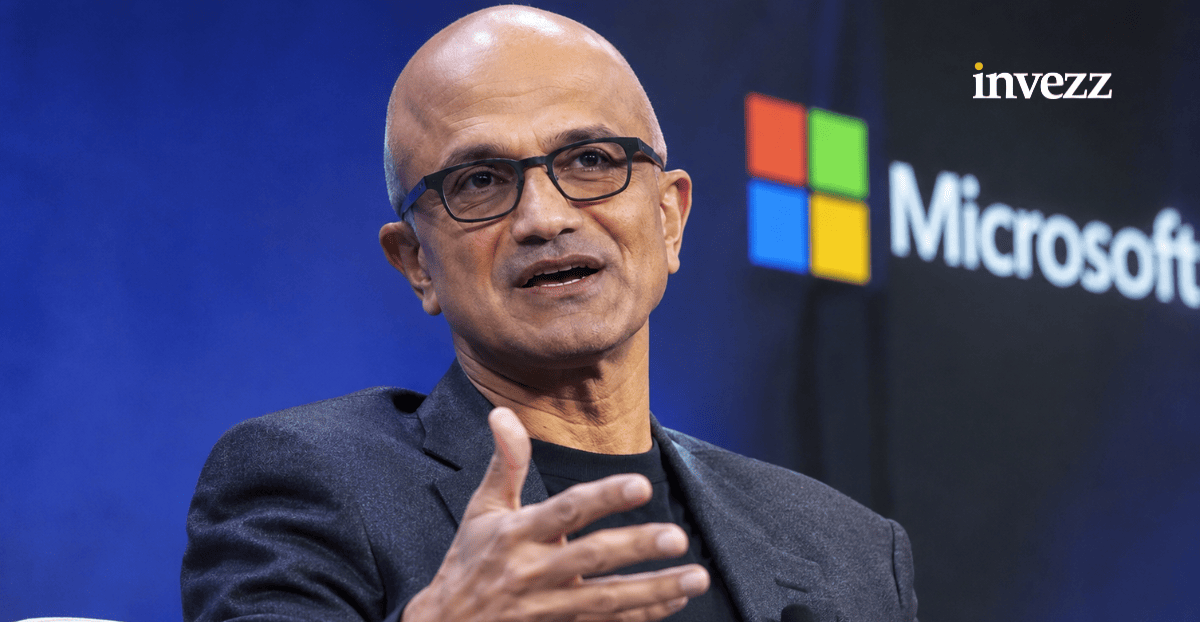
That meaning is now changing. In late October 2026, Microsoft sent a different kind of message to a large share of its workforce. Roughly 60,000 employees, about 27% of the company, received a voluntary exit offer—the largest such program in Microsoft's history. The staggering number, however, is $36.6 billion: the company's net income for the three months ended September. Microsoft reported its results just days after making the buyout offers public, and the business was roaring. Revenue reached $92.3 billion, up 19%, operating income rose to $45.9 billion, and net income climbed 32% to $36.6 billion. Azure grew 48%, leaving Wall Street estimates behind.

On the same day, Alphabet posted its own strong quarter: revenue of $127.6 billion, up 25%, with Google Cloud more than doubling to $30.7 billion. The company said it was now running at a half-trillion-dollar annual pace. Yet, this week, Alphabet also confirmed that it was extending its existing buyout program to five more countries. Both companies' financial profiles remain robust, yet they are increasingly turning to the same tool once reserved for periods of decline. Meta has also used comparable packages in certain markets.
A different way out
People who study how companies manage their workforces say the shift is revealing. Wayne Cascio, who has researched downsizing for decades, notes that voluntary buyouts started in the 1970s, primarily in manufacturing, and were widely used during the 2008 global financial crisis. But what's changing now is the types of people being offered buyouts. In the past, companies usually required employees to have reached a minimum age and tenure—say, people over 55 with at least 10 years at the company. Effectively, most people were within a couple of years of qualifying for retirement. These functioned as early retirement programs, often including early vesting or other retirement sweeteners.
Microsoft's buyouts have no age limitation and almost no tenure requirement. They're being offered to everyone in certain departments. That approach is becoming more common. Having so many people of all ages affected is different from what we've seen before. Why are companies choosing buyouts over outright layoffs? Cascio explains that voluntary buyouts can give employees a greater sense of agency than abrupt job cuts, which can also help protect the morale of those who remain.
Josh Bersin, a longtime observer of human resources trends, has described Microsoft's program as something closer to a new management model than a traditional layoff. "What Microsoft has done is not a layoff, rather a thoughtful workforce innovation, one which many companies will want to copy."
The AI connection
Both Microsoft and Alphabet, like almost all major technology companies, are spending enormous amounts to expand their AI ambitions. To put money into AI, these companies are having to cut costs somewhere. Reducing employee headcount is one of the ways these giant corporations are doing so. Bersin argues that this is not necessarily a sign of financial weakness. "This is not the behavior of a company in distress: it's the behavior of a company thinking ahead." By creating space for self-selection out of the organization, they make room to redeploy talent into AI-critical roles, continuing to hire selectively in high-growth areas, and maintain the engagement of those who stay.
In an era of heavy AI investment, corporate leaders face growing pressure to improve productivity metrics, including revenue per employee. A measured reduction in headcount, achieved through voluntary means, can support those numbers while companies continue to fund their infrastructure buildout. Bersin sees the approach as a logical response to the dual demands of technological ambition and financial discipline.
What comes next?
The deeper question is: Where are we headed? Is this a temporary adjustment, a way for companies to finance enormous AI investments without destroying profitability? Or is it the early version of a more permanent model, in which large technology firms continuously reshape their workforces through voluntary programs rather than following the old cycle of aggressive hiring followed by abrupt job cuts? The answer may define the future of work in the tech industry.
This article is for informational purposes only and does not constitute financial advice.