
Investors are bracing for a pivotal inflation report this week, as the August consumer price index (CPI) is expected to play a decisive role in the Federal Reserve's upcoming interest-rate decision. The Bureau of Labor Statistics will release the data on Friday, and economists polled by Reuters anticipate headline CPI to hold steady at 3.4% year-over-year, matching July's pace. Core CPI, which strips out volatile food and energy prices, is projected to ease to 2.4% from 2.5%.
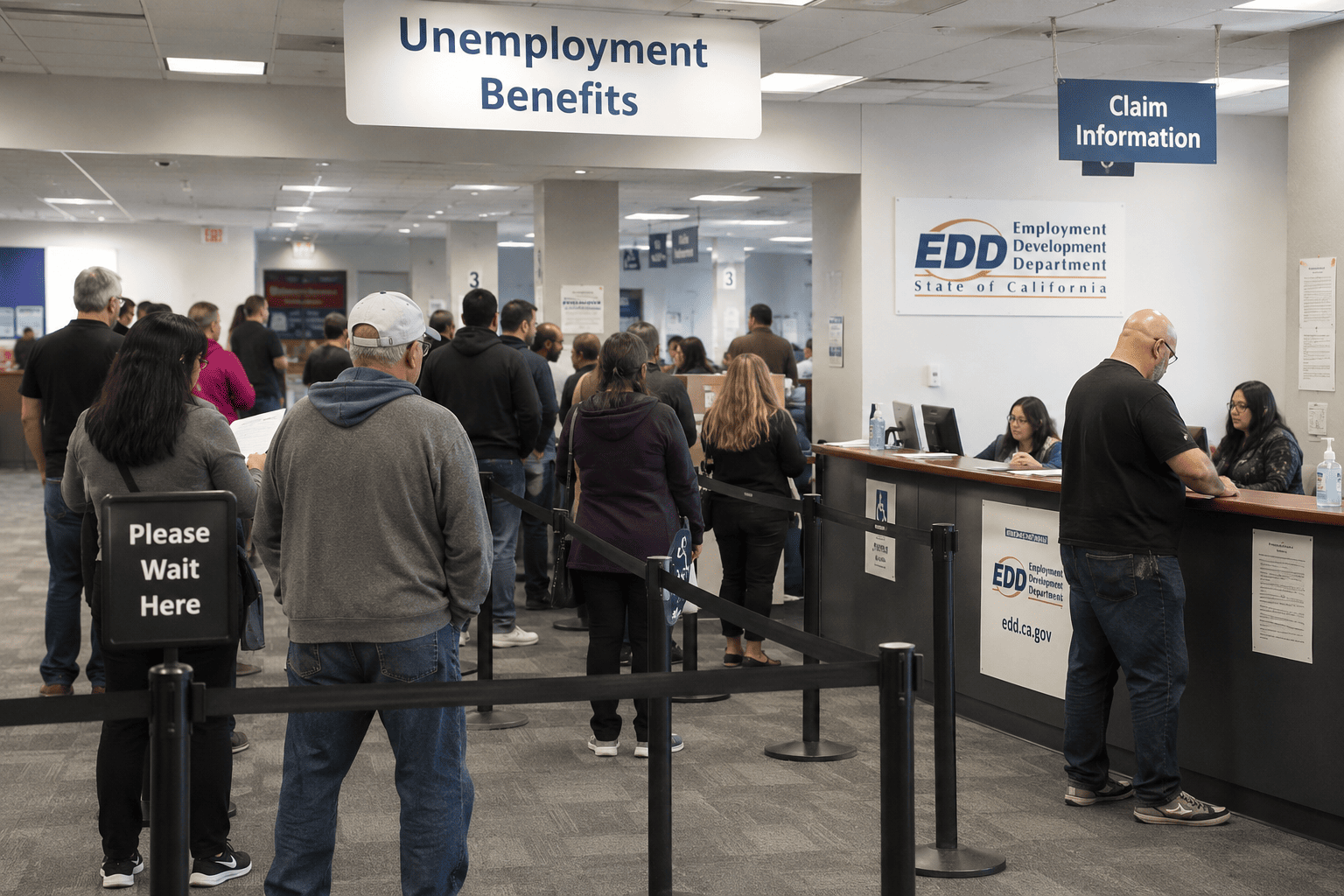
The release comes on the heels of a surprisingly strong August jobs report, which showed the U.S. economy added 162,000 nonfarm payrolls—nearly three times the forecast—while the unemployment rate remained at 4.1%. That labor market resilience has reignited expectations for another rate hike, making the inflation data even more critical.
Core inflation: the key metric
While headline inflation may receive a temporary boost from rising energy prices—Barclays analysts note that oil price increases, partly due to geopolitical tensions, likely contributed to August's reading—the Fed is expected to focus on core inflation as a more reliable gauge of underlying price pressures. Energy shocks are often viewed as transitory and less influential on long-term policy than persistent increases in services and other core components.
Garrett Melson, portfolio strategist at Natixis Investment Managers Solutions, emphasized the importance of this single data point. "With the upcoming CPI, what really matters is whether that print really confirms the cooling that we saw in June and July," he said. "It does kind of come down to one print, in that sense."
Market expectations and rate probabilities
According to IG.com, a hotter-than-expected core reading—such as 0.3% month-over-month—would likely push rate-hike probabilities higher ahead of the Federal Open Market Committee (FOMC) meeting on September 15-16. Conversely, a 0.1% monthly increase would boost the case for the Fed to hold rates steady through year-end.
JPMorgan's global head of economics, Bruce Kasman, forecasts core CPI to rise 0.21% month-over-month, a level he believes would be low enough for the Fed to keep rates unchanged, at least for now.
Strong jobs report complicates the picture
Friday's employment report has already shifted market expectations. Fed funds futures late Friday indicated a 57% probability of a rate hike at the September meeting, up from earlier in the week. The rates market priced in about 15 basis points of tightening for September and roughly 60 basis points of hikes through June 2027.
Barclays economists said the jobs report "marginally" strengthened the case for a quarter-percentage-point increase in September, but added that "attention now shifts to next week's inflation data."
Fed officials signal data dependence
Fed Governor Christopher Waller reiterated the central bank's data-dependent stance on Thursday. "If there is continued progress towards our 2 per cent goal, then I am willing to support holding the policy rate at its current level," he said, while noting that an acceleration in inflation could make a rate increase appropriate. His comments initially tempered rate-hike expectations, but those odds rose again after the jobs report.
Potential market impact
A higher-for-longer interest-rate outlook could weigh on U.S. equities by increasing borrowing costs, potentially slowing economic activity and reducing corporate investment. Higher Treasury yields also make bonds more attractive relative to stocks, pressuring valuations, especially for growth-oriented companies.
U.S. stocks ended mostly lower on Friday after the strong jobs report pushed Treasury yields higher. The S&P 500 fell 0.38%, the Dow Jones Industrial Average lost about 272 points (0.51%), and the Nasdaq Composite declined 0.29%. The benchmark 10-year Treasury yield rose to around 4.78%, approaching the 5% level that some investors view as a potential tipping point for equities.
As investors await the CPI release, the data will likely determine whether the Fed opts for another rate hike or pauses to assess the cumulative impact of its tightening cycle. For a broader perspective on how inflation data influences market dynamics, see our analysis on key labor market indicators and the recent movements in Treasury yields.
This article is for informational purposes only and does not constitute financial advice.