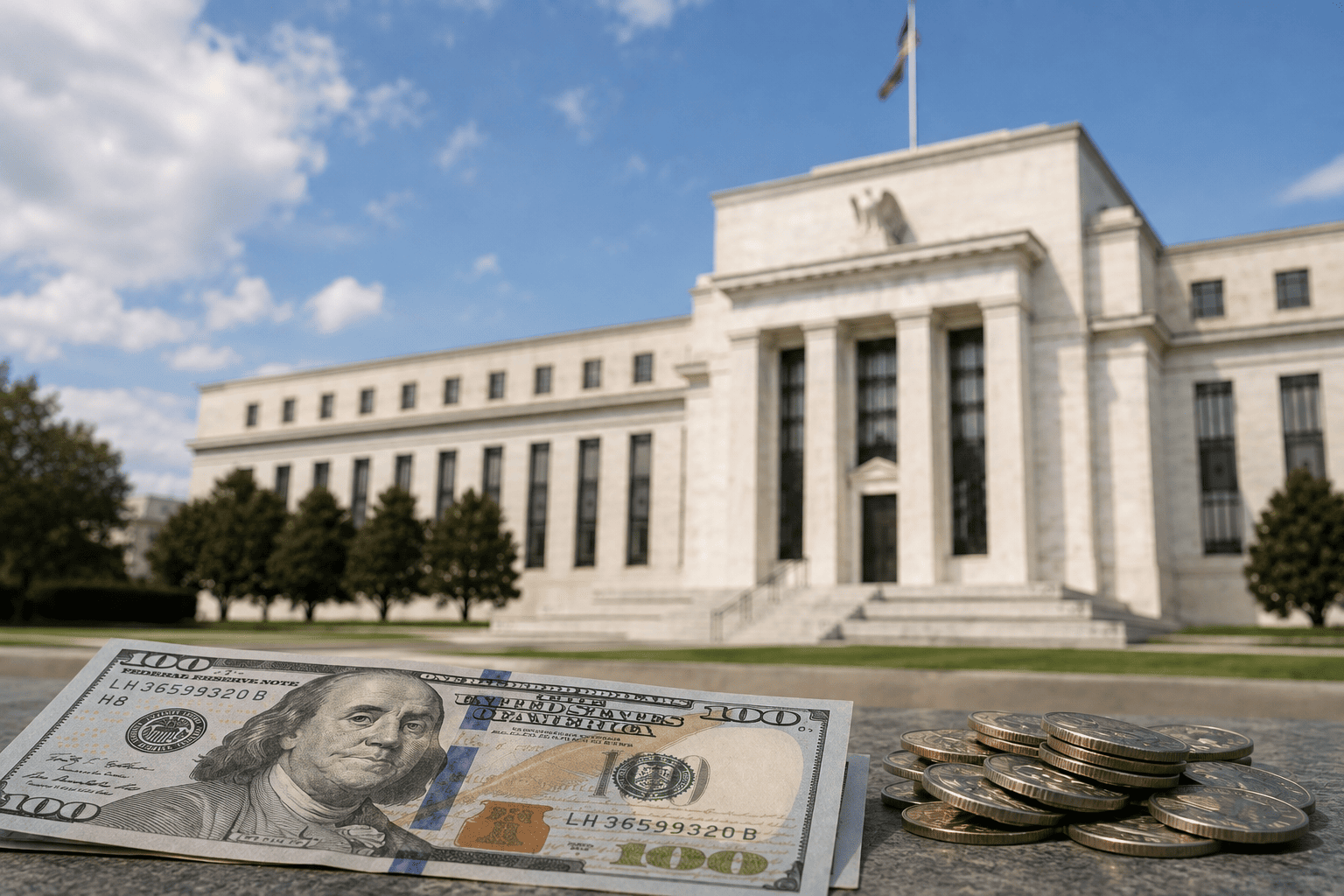
US Treasury yields moved lower across the curve on Thursday, providing a pause after a sharp global bond sell-off that pushed several benchmarks to multiyear highs. Investors are now focusing on key economic data that could shape the Federal Reserve's next policy moves.
The benchmark 10-year Treasury yield fell more than 2 basis points to 4.7680%, while the 30-year yield dropped about 2 basis points to 5.2433%. The policy-sensitive two-year yield also declined, trading around 4.3609%. The retreat came after the 10-year yield touched its highest level in several years during Wednesday's session, driven by persistent inflation worries and concerns over government debt levels.

Jobs report in focus
Market participants are now looking ahead to Friday's nonfarm payrolls report for August, which is expected to show the US economy added 58,000 jobs, with the unemployment rate holding steady at 4.1%. The data will provide a fresh indication of how much room the Fed has to adjust interest rates as it balances inflation and growth concerns.
Before the jobs report, investors will receive the latest ISM services PMI on Thursday. The gauge is forecast to rise to 54.3 from 54.1 in July. A stronger-than-expected reading could reinforce concerns that economic activity remains resilient enough to keep inflation pressures elevated, while a weaker figure might support expectations for easier monetary policy.
Global bond yields retreat
The move in US Treasuries followed a broader recovery in global government bonds after yields reached multiyear—and in some cases multi-decade—highs. The 10-year UK gilt yield fell five basis points to 5.18%, after touching its highest level since August 2007 earlier this week. Germany's 10-year yield edged two basis points lower.
The recent surge in global yields had been driven by a combination of inflation concerns, higher energy prices, and worries over government borrowing. The pullback suggests some investors are returning to bonds after the sell-off pushed yields to levels that offered more attractive income. This dynamic was also reflected in equity markets, as stocks rebounded alongside the bond market.
Oil remains a key inflation risk
Energy markets remain central to the bond-market outlook as investors assess the potential inflation impact of renewed tensions in the Middle East. West Texas Intermediate crude for October delivery fell more than 0.5% in early trading but remained above $90 a barrel. Brent crude, the global benchmark, was last down 0.6% at $95.07.
Oil prices surged earlier in the week as tensions involving the US and Iran intensified, adding to concerns that higher energy costs could prolong inflation and complicate the outlook for interest rates. Markets have since taken some comfort from President Donald Trump's comments that the latest escalation would not last "too long." The resulting decline in oil prices has helped ease some of the immediate pressure on inflation expectations and bond yields.
Still, with Brent remaining near $95 a barrel and Treasury yields well above levels seen earlier in the year, investors are likely to remain sensitive to incoming economic data and further developments in the Middle East. The pressure on gold and other assets underscores the broad market impact of these factors.
As the market digests the latest data, the path of yields will likely hinge on whether inflation pressures continue to ease and whether the labor market shows signs of cooling. A softer jobs report could bolster expectations for rate cuts, while a strong reading might keep the Fed on a tightening path.
This article is for informational purposes only and does not constitute financial advice.