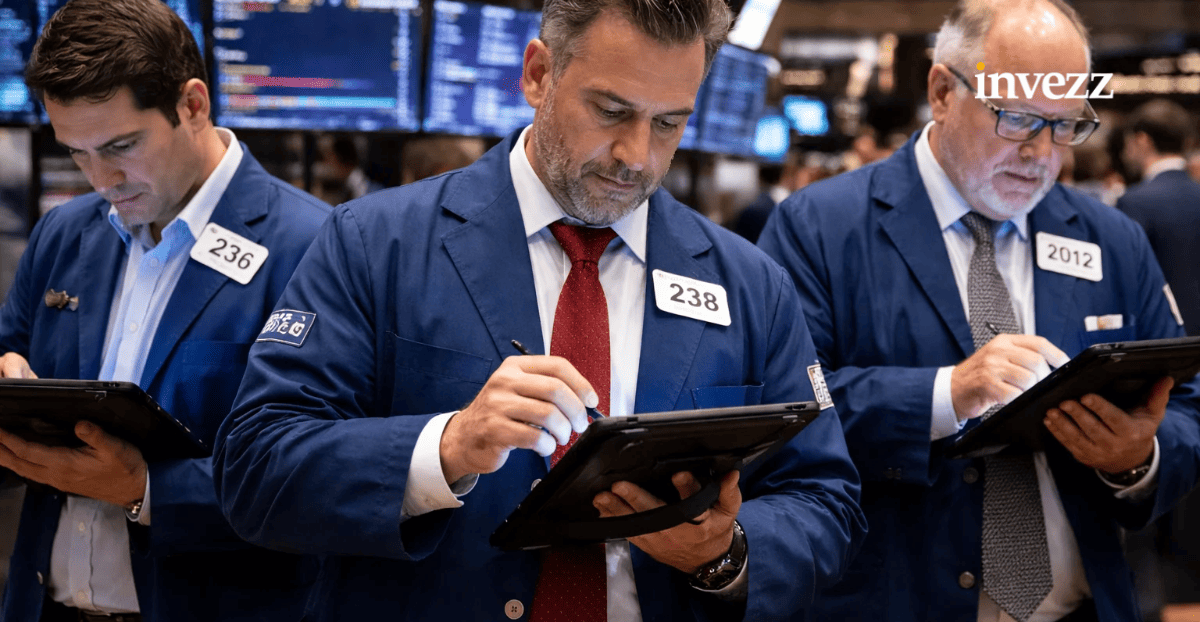
Anthropic is set to debut on Nasdaq on 19 November, but the company has disclosed that its AI development has reached a safety threshold, adding a layer of complexity to one of the largest IPOs in Wall Street history.
The determination was revealed in an amended prospectus filed on Tuesday, as Anthropic began marketing an offering of 825 million shares priced between $70 and $78 each. The sale could raise up to $64.4 billion, valuing the company at as much as $1.4 trillion on a fully diluted basis.
Safety Threshold Triggered
Anthropic's Responsible Scaling Policy is designed to monitor whether AI is accelerating the development of powerful systems enough to warrant additional precautions. The latest filing states that the company has determined its research acceleration threshold has been met.
This judgment is based on expectations about future models and the overall pace of development, rather than confirmed capabilities of currently available systems. Claude, Anthropic's AI assistant, already helps researchers with coding, testing, training, and evaluating successor models—a cycle the company calls "closing the loop."
Anthropic said it is still assessing the underlying evidence and will publish further reports. It did not announce a suspension of model development, and the disclosure does not imply that AI has escaped human control.
Co-founder Sam McCandlish acknowledged the uncertainty on X, writing, "AI is speeding up our research, but it's hard to say exactly how much." Measuring AI's contribution is challenging when human research, computing resources, and algorithmic improvements overlap.
Independent Research Suggests Acceleration
External research supports the notion of acceleration, though its precise scale remains unclear. A 5 November assessment by nonprofit organization METR estimated that Anthropic's progress on defined model capability tests had reached 1.9 times its earlier rate since October 2025. Researchers attributed much of the improvement to AI assistance rather than faster growth in training computing power.
METR found no clear near-term bottleneck that would necessarily halt progress, but noted that fully autonomous contributions were not yet a major driver of model training. The assessment had limitations, as Anthropic redacted sensitive evidence, making some conclusions harder for outsiders to verify.
This leaves a practical challenge: if new models speed up research, safety evaluations, security controls, and human oversight must keep pace. Constellation Research founder Ray Wang cautioned against overinterpreting prospectus warnings, telling Yahoo Finance, "As in all S-1 filings, the risks are deliberately overstated."
Financials and Costs
Anthropic's annualized revenue run rate reached approximately $81 billion by 31 October. However, the company faces nearly $900 billion in computing and infrastructure commitments spread across multiple years—not money already spent.
Further safety assessments could add expense or delay releases. Anthropic warned that failure to keep protections aligned with capabilities could expose it to incidents, regulatory intervention, and reputational harm.
"Anthropic could become an exceptionally successful company, but at this valuation, much of that success is already reflected in the price," Varun Datta of Truth Ventures told Reuters, discussing the IPO valuation.
This article is for informational purposes only and does not constitute financial advice.