Wall Street experienced a sharp technology-led selloff on Thursday, erasing nearly $3 trillion in market value from S&P 500 companies. The decline, driven by concerns over artificial intelligence spending and potential regulatory tightening, pushed the Nasdaq Composite down 5.52% to 24,315, its steepest one-day drop in 19 months and officially placing the index in correction territory.
The broader market also suffered, with the S&P 500 falling 4.36% to 7,353.73 and the Dow Jones Industrial Average dropping 3.44% to 51,523.06. Chip stocks were hit hardest, as the Philadelphia Semiconductor Index plunged more than 12%.

Global markets feel the heat
The selloff quickly spread beyond U.S. borders. Japan's Nikkei 225 fell 6% on Friday, and South Korea's Kospi lost a similar amount, with semiconductor stocks among the biggest decliners. European markets opened lower, with Germany's DAX down 2% and Britain's FTSE 100 falling 1.9%.
The reversal followed Democratic victories in the U.S. midterm elections, which gave the party control of both chambers of Congress. Investors now worry that increased regulatory scrutiny, restrictions on power consumption, and opposition to new data centers could slow the infrastructure expansion that underpins the AI boom.
Dot-com comparisons resurface
Against this backdrop, comparisons with the dot-com bubble of 2000 have resurfaced, as investors question whether technology valuations have moved too far ahead of underlying business fundamentals. The dot-com bubble developed in the late 1990s as money poured into internet-related companies, often valuing them on future growth expectations rather than proven earnings. The Nasdaq peaked in March 2000 before losing nearly 78% of its value by October 2002.
Critics believe the current AI boom could end similarly, and Thursday's selloff has intensified those fears. However, Nasdaq-100 futures were rising on Friday, showing signs of recovery even as Dow futures remained in the red.
Cramer's take on the correction
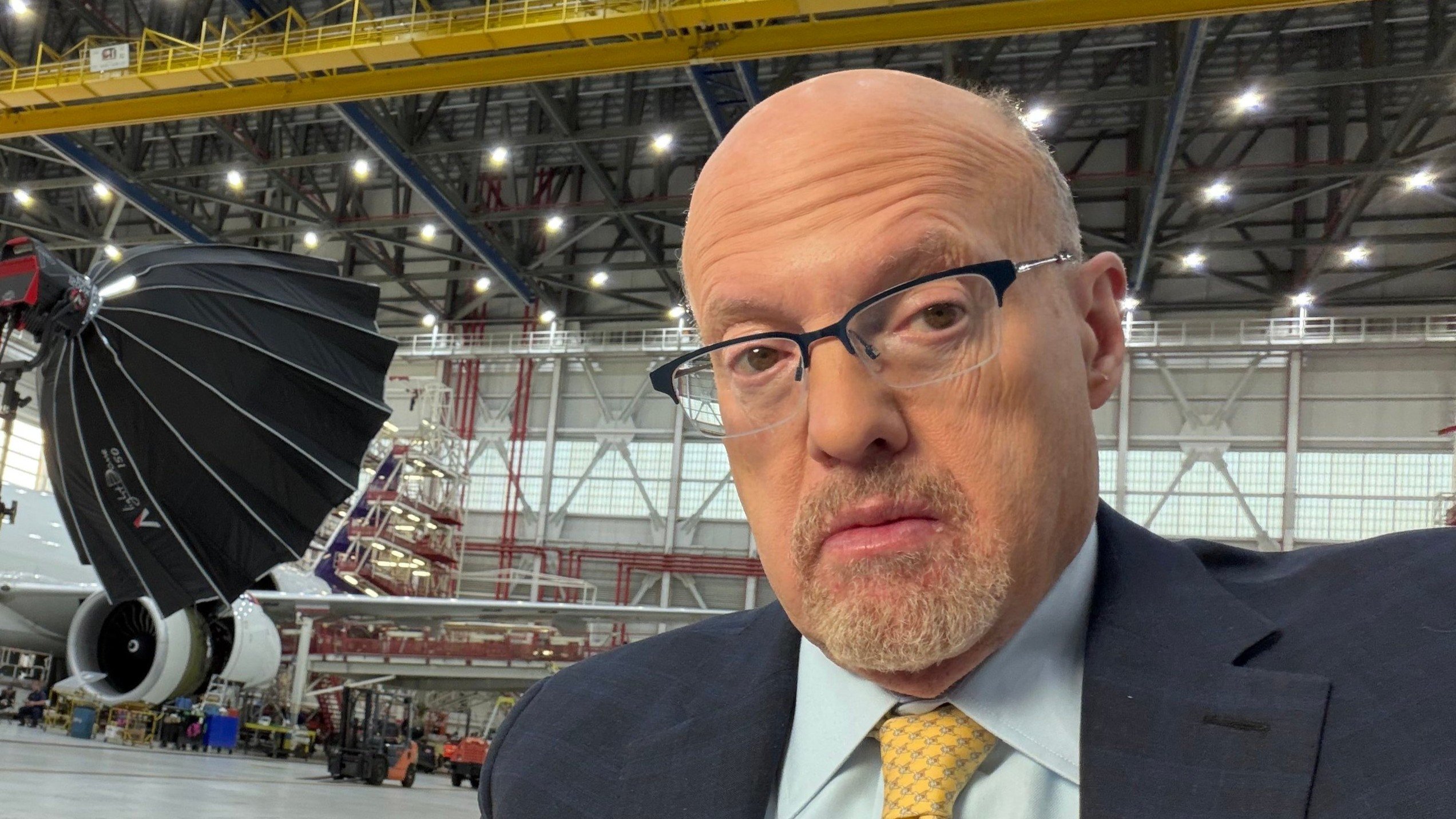
CNBC's Jim Cramer believes the correction may not be over, particularly for semiconductor stocks that surged during the AI rally. "I wish I could say that today's flush was the bottom," the Mad Money host said. "But I look at the charts, and there still seems like there's no support for so many tech stocks, especially the semis, because they ran so much on the way up."
However, Cramer noted that the current decline differs from the 2000 crash because today's leading technology companies are largely profitable businesses whose stocks had become excessively expensive. "Unlike 2000, these are mostly lucrative companies with stocks that went too high," he said.
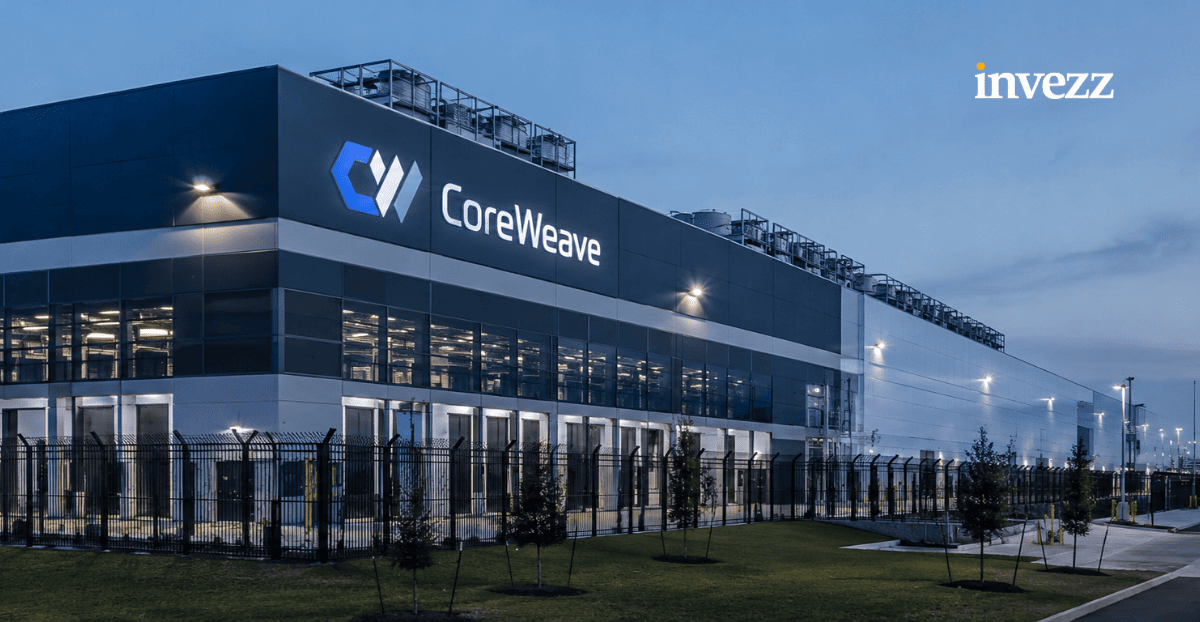
He identified debt exposure among neocloud companies such as CoreWeave and IREN as a bigger potential threat, particularly if financing problems spread. Cramer also said he would welcome a sharper correction rather than a prolonged, gradual decline. "If you have cash you won't panic. You won't be complacent, either. You will be clear-headed and that's how you will lose less money until things get better. They always do," he added.
This article is for informational purposes only and does not constitute financial advice.