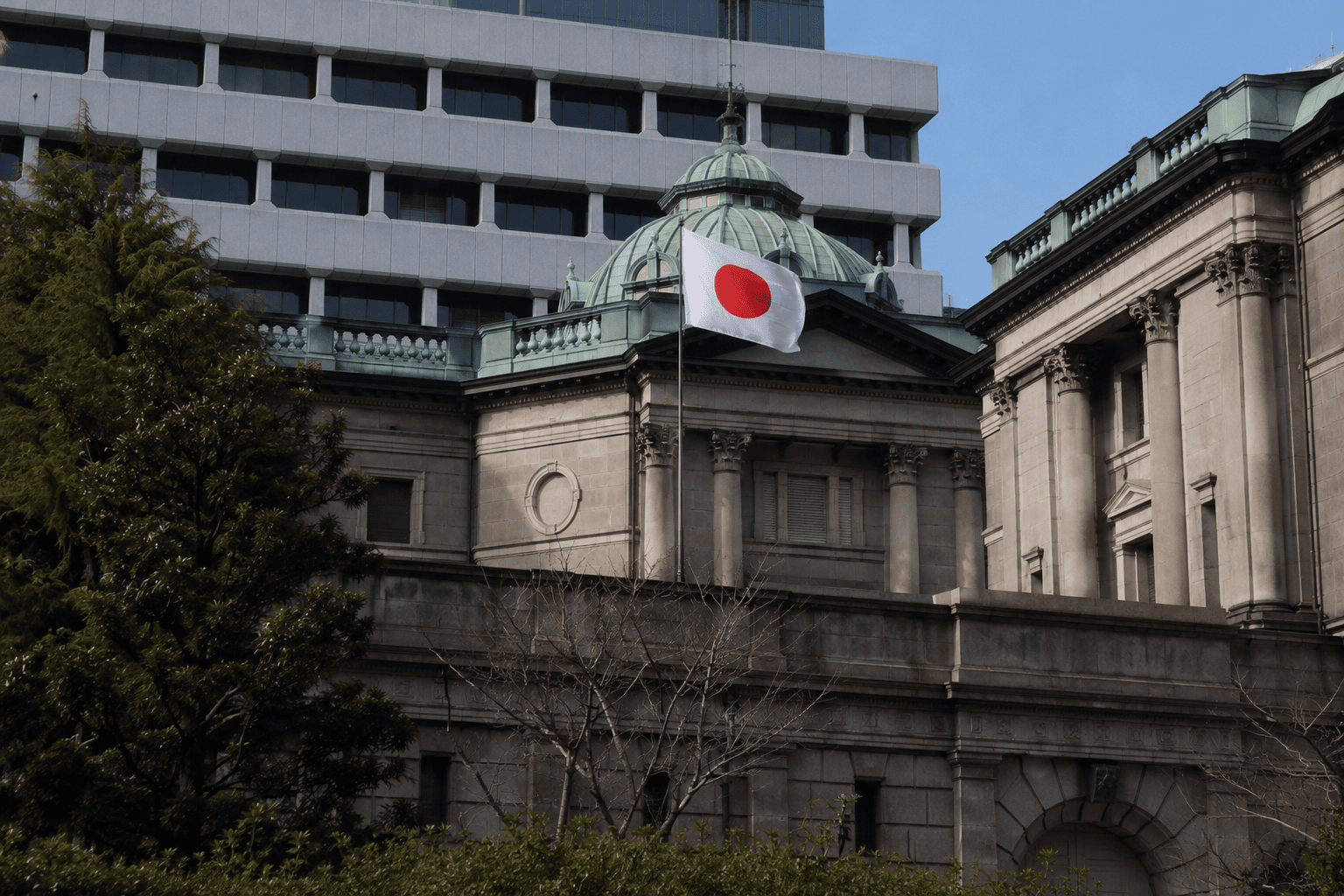
The Japanese yen staged its sharpest rally in years, sending the USD/JPY pair tumbling to 157.45, its lowest level since May 14. The move came after the Federal Reserve and the Bank of Japan (BoJ) launched a rare coordinated intervention to stem the yen's slide, which had pushed the currency to multi-decade lows.
Coordinated intervention: A new chapter
According to a Financial Times report, the Federal Reserve Bank of New York sold euros for yen on behalf of the U.S. Treasury, executing trades through major banks like Morgan Stanley and Goldman Sachs. This marks the first time the U.S. has directly intervened to support the yen. The U.S. Treasury had pre-alerted top banks, and a Reuters photo of Treasury Secretary Scott Bessent's notepad suggested plans to purchase between $5 billion and $10 billion worth of yen. Japan's own intervention on Thursday was estimated at a hefty $52.8 billion.

Japanese media outlet Kyodo reported that the two nations may unveil a joint policy statement to address the yen's weakness, serving as a warning to speculative traders who have been betting against the currency.
Will it hold? Lessons from April
History suggests caution. In April, the BoJ intervened when USD/JPY hit 155, but the effect was short-lived. The pair resumed its climb, eventually reaching a high of 163.9. The key difference this time is U.S. involvement, which adds more firepower and signals a stronger commitment. However, fundamental forces remain stacked in favor of the dollar.
The BoJ kept its policy rate unchanged at 1% in its latest meeting, while the Fed's stance has turned more hawkish. Three Fed officials voted for a rate hike, and market-based odds of a hike have risen on platforms like Polymarket. Should the U.S.-Iran conflict escalate, oil prices could spike, pushing inflation higher and potentially forcing the Fed to raise rates to the 4.0%–4.25% range.
Higher U.S. rates would widen the interest rate differential, making the yen carry trade more attractive and putting further pressure on the BoJ to tighten policy. BoJ Governor Kazuo Ueda acknowledged rising upside risks to inflation, stating, "Given that underlying inflation is approaching our 2 per cent price stability target, we believe there is a greater need than before to pay attention to upside risks to inflation."
Technical outlook: More downside likely
On the daily chart, USD/JPY has broken below all major moving averages after forming a rising wedge pattern—a classic bearish reversal signal. The Relative Strength Index (RSI) has plunged to 24, deep in oversold territory. This suggests that while a short-term bounce is possible, the path of least resistance is lower. The next key support level is 155, a level that acted as resistance in April. In the long term, however, the pair could rebound, as seen after previous interventions.
For investors tracking currency markets, the situation remains fluid. The effectiveness of this coordinated intervention will be tested in the coming weeks. Meanwhile, broader market sentiment is also influenced by other factors, such as Apple's recent supply woes and U.S. GDP data missing forecasts. These developments could shift risk appetite and impact the dollar's safe-haven appeal.
As the situation evolves, traders should monitor any official statements from both governments and upcoming economic data. The fear index is also worth watching, as it may signal broader market volatility.
This article is for informational purposes only and does not constitute financial advice.