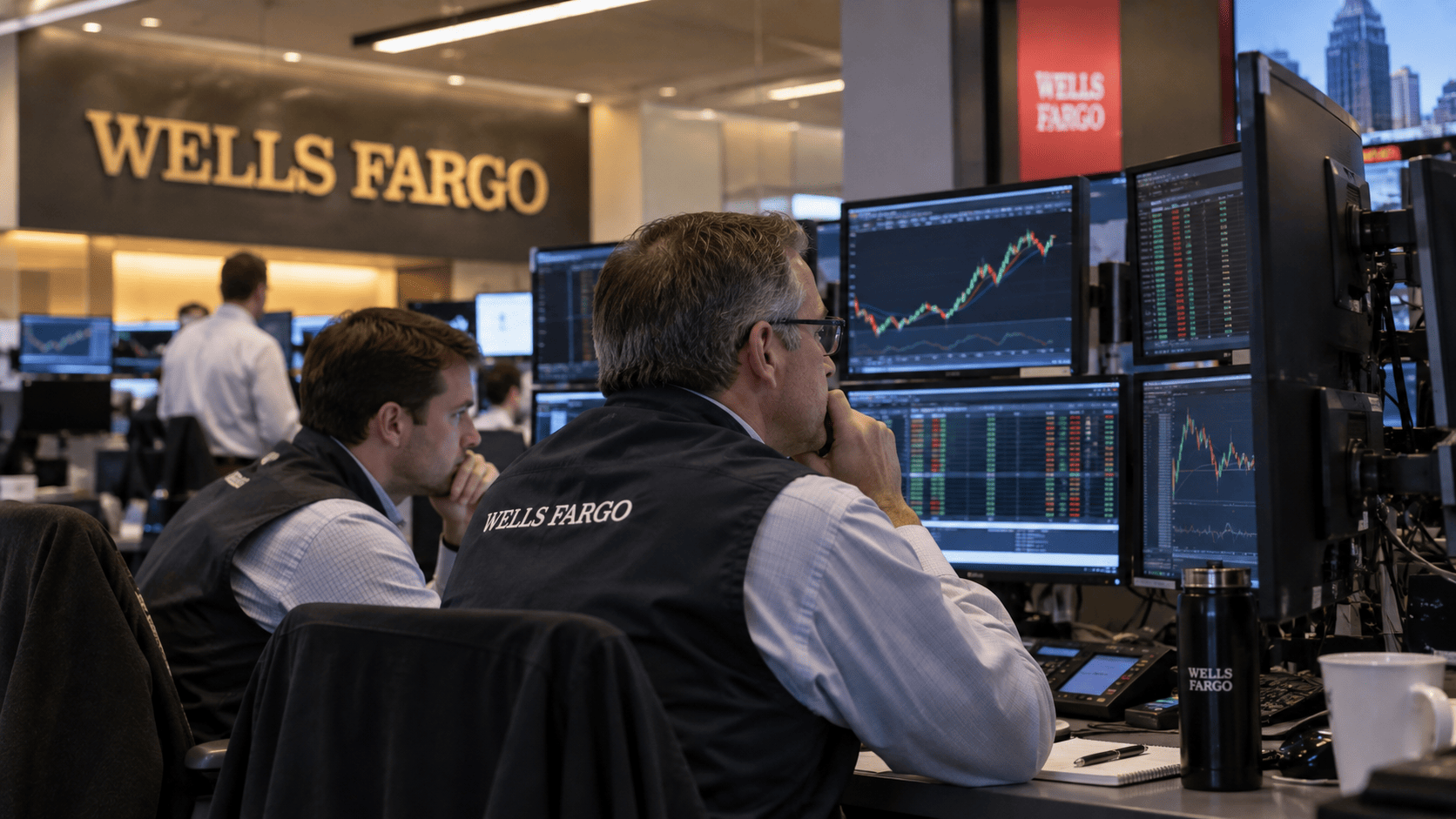
Wells Fargo's chief equity strategist, Ohsung Kwon, has reduced his year-end S&P 500 target to 7,700 from 7,950, becoming one of the few Wall Street strategists to trim forecasts in recent weeks. The move reflects growing concerns about the technology sector, particularly around AI-related capital spending and political risks.
Tech downgraded, healthcare upgraded
Kwon shifted his stance on technology from overweight to equal-weight, citing rising risks from the upcoming midterm elections and increasing local opposition to data centers. He noted that active data center moratoriums have surged 175% nationally over the past three months, a trend he expects to continue as frontier labs voice security concerns. With a high probability of a Democratic sweep in the midterms, tighter AI regulation could further pressure the sector.

Kwon prefers software over semiconductors, predicting that chip stocks may retest their July lows. He also warned that the AI capital-expenditure cycle could enter its late stage by 2027, adding to the sector's vulnerability.
In contrast, Kwon upgraded healthcare from equal-weight to overweight, anticipating that potential Democratic wins could boost the sector. He pointed to the possible restoration of enhanced Affordable Care Act subsidies, which would benefit hospitals and exchange-levered health insurers.
Divergence from Wall Street consensus
Kwon's target cut stands in contrast to several other strategists who have raised their forecasts. Bank of America and Tallbacken Capital Advisors both lifted their year-end targets on Monday, while JPMorgan Chase and veteran strategist Ed Yardeni had already raised theirs in August. This divergence comes amid a clash between the Trump administration and AI industry leaders, adding pressure to markets already uncertain about the payoff from massive AI infrastructure investments.
Developers such as Anthropic and OpenAI have called for slowing the development of advanced AI systems to prevent catastrophic outcomes, while President Trump has pushed to maintain U.S. leadership in the AI race.
Earnings strength but 2028 risks
Despite the cautious outlook, Kwon acknowledged that the current earnings cycle remains historically strong. He noted that annualized 10-year EPS growth is expected to reach 14% by 2027, a level only surpassed by the post-WWII bull market of the 1950s. He sees little risk to earnings next year but warned that 2028 earnings could be more vulnerable to a slowdown in AI spending.
Equity allocations at 57-year high
Kwon estimates current equity allocations at 72%, the highest since 1969 and well above the roughly 60% his model suggests is appropriate. The gap between actual allocations and his model's estimate is now wider than during the dot-com bubble, signaling increased market vulnerability heading into next year.
Investors may also be watching related developments, such as AI-driven selloffs in Asian markets and geopolitical risks affecting crypto. Meanwhile, Qualcomm's AWS deal highlights continued data center investment, and fiscal policy proposals could add to market uncertainty.
This article is for informational purposes only and does not constitute financial advice.

