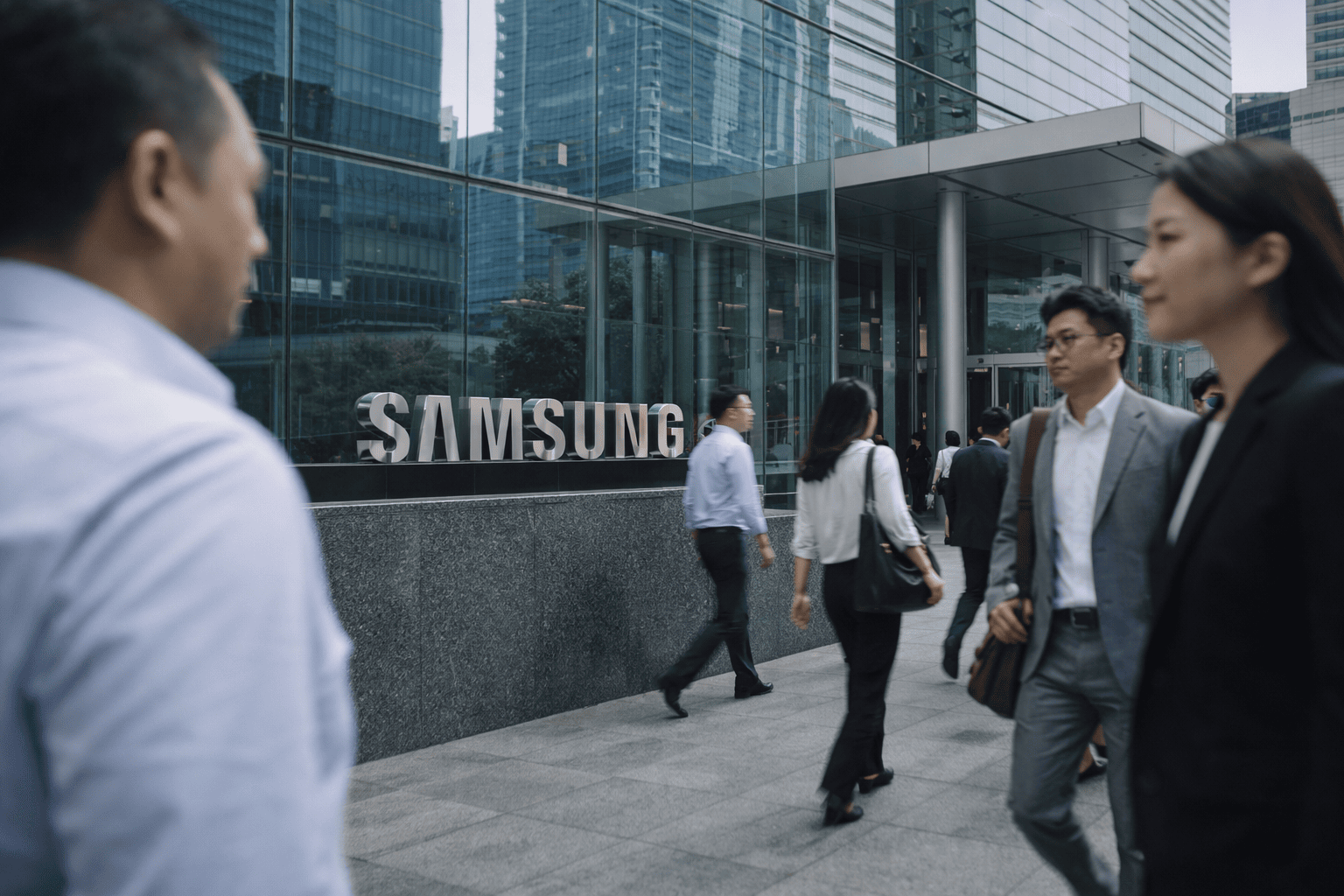
South Korea's benchmark KOSPI index fell sharply on Monday, September 14, shedding over 2.25% as investors fled from heavyweight technology stocks and grappled with a surge in crude oil prices. The index settled at 6,754, a level not seen in months and roughly 28% below its yearly peak.
Tech heavyweights lead the decline
The KOSPI's slide was spearheaded by its two largest constituents. Samsung Electronics dropped 3.76%, while SK Hynix tumbled 5.30%. SK Square, a major investor in SK Hynix, also fell 7% on the day. These moves reflect growing unease about the future of artificial intelligence (AI) development.

Over the past week, several prominent figures in the AI sector have voiced concerns about the pace of model training. An Anthropic employee resigned, warning that current development trajectories could pose existential risks. Over the weekend, Anthropic's CEO, Dario Amodei, published a lengthy blog post urging the industry to slow down. He received support from other tech leaders, including Sam Altman and Elon Musk.
While a slowdown in AI model development could theoretically reduce demand for memory chips and GPUs, many analysts believe that capital expenditure on data centers will continue to grow. Companies like Samsung and SK Hynix are likely to remain beneficiaries of this spending, even if model training becomes more measured.
However, the competitive landscape complicates any coordinated slowdown. Chinese firms such as Moonshot and Deepseek are not pausing their efforts, which pressures American companies to keep pushing the envelope to maintain their edge.
Oil surge adds to market pressure
Adding to the KOSPI's woes, crude oil prices spiked as tensions in the Middle East escalated. Brent crude rose 2.25% to $106.9 per barrel, while West Texas Intermediate (WTI) climbed to $102. The rally followed Saudi Arabia's decision to shut down its East-West pipeline after attacks by Iraqi militias, a move that disrupts a key route that bypasses the Strait of Hormuz.
With the US-Iran conflict showing no signs of abating, the blockade of the Strait of Hormuz could persist, threatening global oil supplies. South Korea, which relies heavily on Middle Eastern oil imports, is particularly exposed to these disruptions.
Technical outlook turns bearish
From a technical perspective, the KOSPI has been trading within an ascending channel but has now slipped to its lower boundary, forming a pattern that resembles a rising wedge—a classic bearish reversal signal. The index remains below the Supertrend indicator, the 50-day exponential moving average, and a key pivot level on the Murrey Math Lines, suggesting that sellers are in control.
If the current trend continues, the next major support level could be around 6,000. Investors will be watching the upcoming Federal Reserve interest rate decision and a meeting between Iran and Gulf Cooperation Council countries for further direction.
For more on how oil and yields are affecting Asian markets, see our analysis on KOSPI and Nikkei facing a deepening selloff. Also, check out why KOSPI fell below 7,000 in a similar environment.
This article is for informational purposes only and does not constitute financial advice.

