The U.S. Producer Price Index (PPI) climbed 1.1% in May from the prior month, pushing the annual rate to 6.5%—the highest level since November 2022, according to data released Thursday by the Bureau of Labor Statistics. The monthly increase exceeded economists' consensus estimate of 0.7%, underscoring persistent inflationary pressures in the wholesale pipeline.
Goods Prices Lead the Surge
Nearly 80% of May's rise in final-demand prices was attributable to a 2.8% jump in goods prices, the largest monthly gain since the data series began in December 2009. Energy costs were the primary driver, with wholesale energy prices surging 10.7% and gasoline alone leaping 23.4%. Services prices rose a more modest 0.3% during the month.
The sharp increase in producer prices follows Wednesday's consumer inflation report, which showed the Consumer Price Index (CPI) rising 4.2% year-over-year in May—also a three-year high. Rising gasoline costs have been a common thread in both reports, adding to concerns about the broader inflation trajectory.
Core PPI Offers Some Relief
Core PPI, which strips out volatile food and energy components, rose 0.4% in May, coming in below the 0.5% increase economists had anticipated. While still elevated, the softer core reading suggests that much of the recent acceleration is concentrated in energy markets rather than reflecting broad-based price pressures across the economy.
Policymakers at the Federal Reserve are likely to take note of the divergence between headline and core measures. The data may temper some of the alarm raised by the headline figure, though the persistence of high energy costs remains a risk factor for both businesses and consumers.
Labor Market Shows Mixed Signals
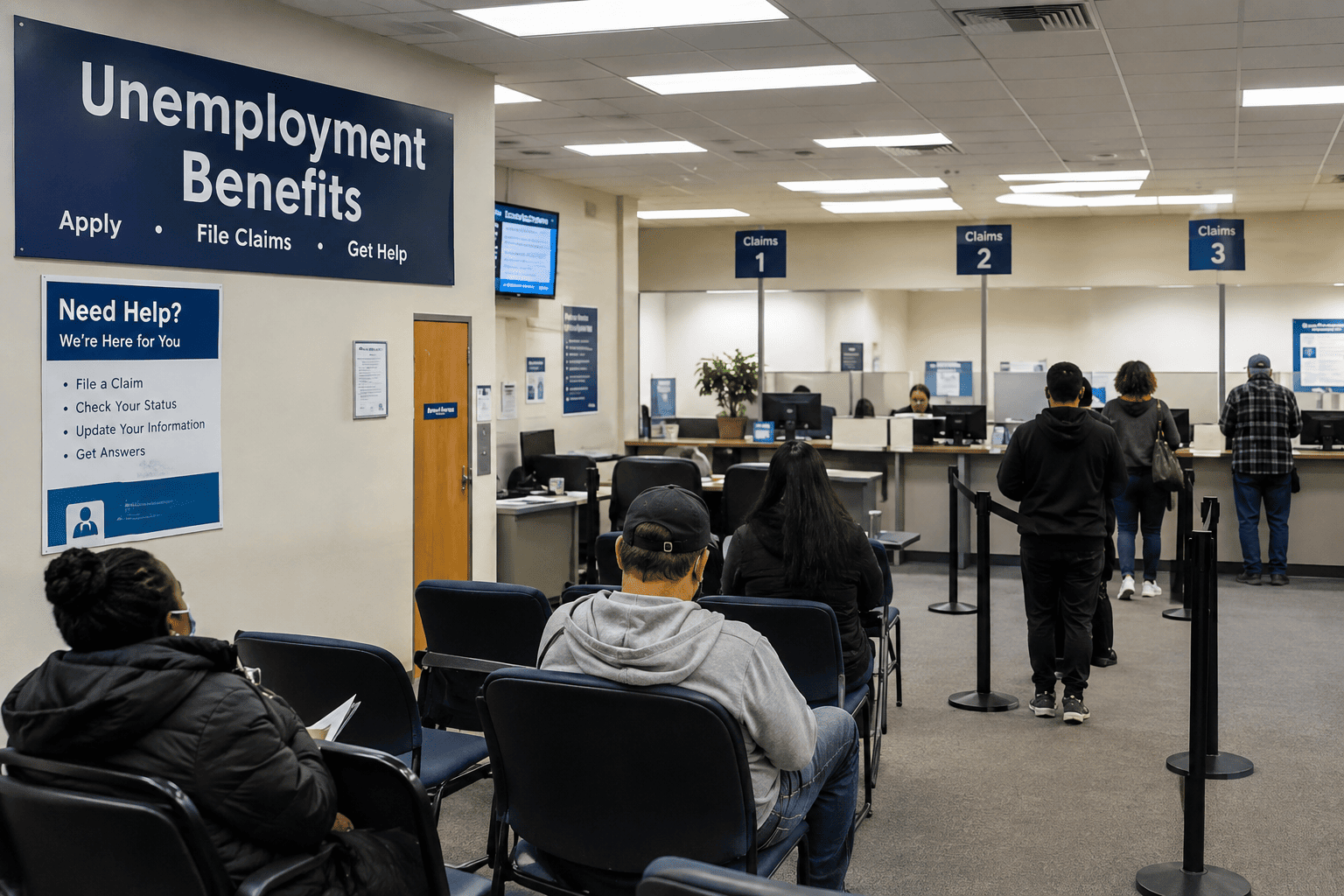
Separate data from the Labor Department on Thursday indicated that the labor market remains resilient but is showing signs of softening. Initial jobless claims rose by 4,000 to a seasonally adjusted 229,000 for the week ended June 6, above the 219,000 forecast. Continuing claims increased by 24,000 to 1.795 million in the week ended May 30.
While layoffs remain limited, hiring momentum appears to be cooling. A survey from the National Federation of Independent Business showed its employment measure declined for a third consecutive month in May, and the share of business owners planning to create jobs over the next three months fell to its lowest level in six years. The median duration of unemployment also lengthened to 11.6 weeks, the longest since November 2021.
Economists have pointed to ongoing policy uncertainty, including the effects of past tariff policies and geopolitical risks, as factors weighing on hiring decisions. The data suggest that while workers are not losing jobs at a rapid pace, those who become unemployed are finding it increasingly difficult to secure new positions.
Market Implications
The combination of elevated wholesale inflation and a cooling labor market presents a challenging backdrop for investors. Higher energy costs are already feeding through to consumer prices, as reflected in Wednesday's CPI report. Meanwhile, the rise in gold prices amid dollar weakness suggests some investors are seeking safe havens amid the uncertainty.
In the equity markets, the Dow managed modest gains on Thursday, while the Nasdaq slid on a chip selloff, reflecting sector-specific divergences. The rally in Microsoft stock on accelerated AI data center plans highlights how company-specific catalysts can overshadow macro concerns.
Looking ahead, the trajectory of energy prices will be critical. The IEA's warning that Middle East energy production recovery could take up to two years suggests that supply-side constraints may keep upward pressure on prices in the near term.
This article is for informational purposes only and does not constitute financial advice.