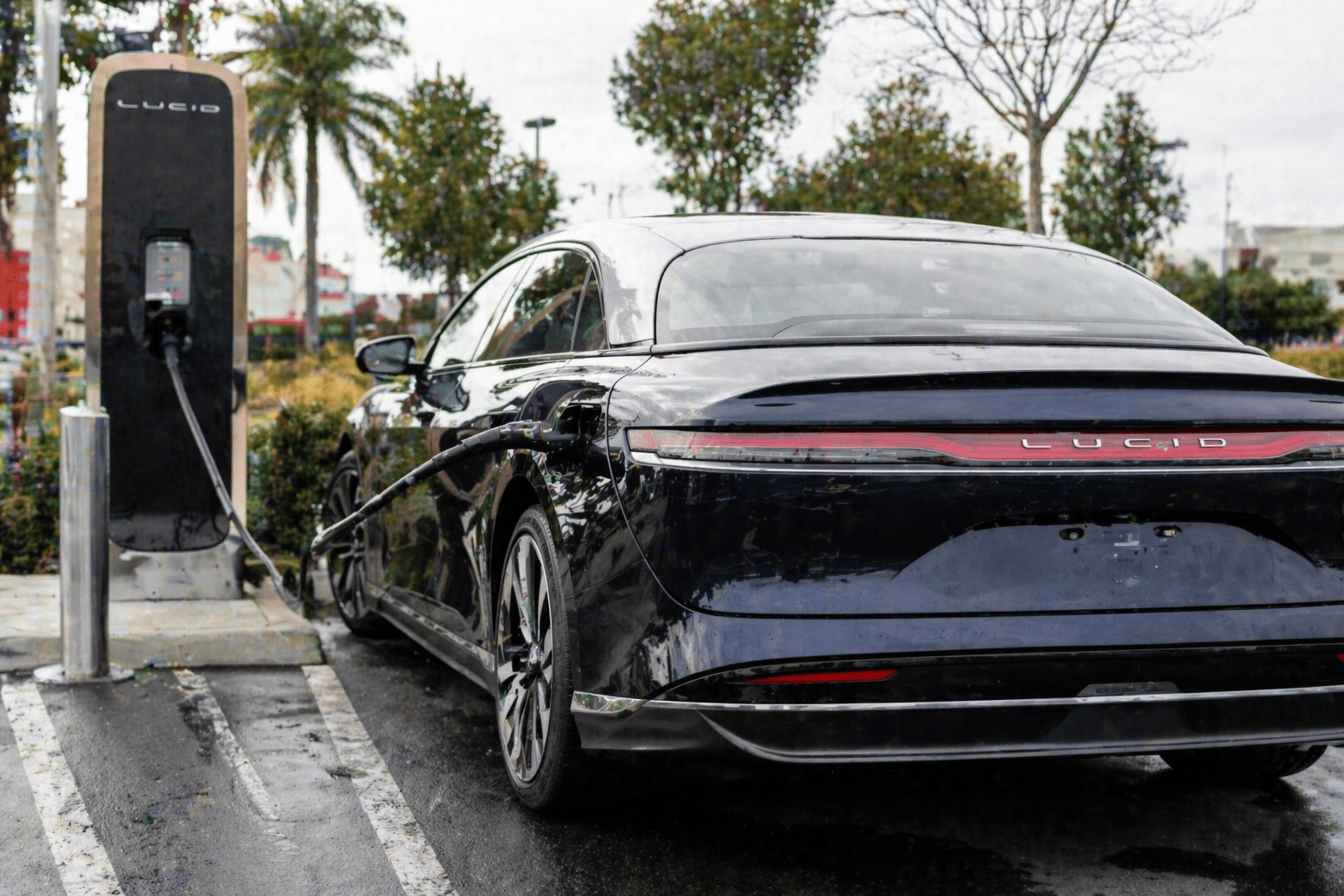
Lucid Group (NASDAQ: LCID) shares rallied sharply this week, climbing to $7.90 after Saudi billionaire Prince Alwaleed bin Talal disclosed a 5% stake in the electric vehicle maker. The purchase, made when Lucid's market capitalization fell below $2 billion, marks a vote of confidence from one of the Middle East's most prominent investors.
Prince Alwaleed, a member of the Saudi royal family with a net worth of approximately $24 billion, revealed the acquisition via a regulatory filing. His private office confirmed the stake, which adds to the substantial holdings of Saudi Arabia's Public Investment Fund (PIF). PIF already owns about 45% of Lucid, representing roughly 177 million shares valued at over $1.39 billion. Other major institutional holders include Uber, UBS, BlackRock, and Vanguard.

The prince's investment history includes stakes in global names such as Citigroup, JD.com, and SpaceX. His decision to buy into Lucid during a period of intense volatility suggests a long-term bet on the company's recovery, even as the broader market remains skeptical.
Cash Burn and Bankruptcy Concerns Persist
Despite the bullish catalyst, Lucid faces significant headwinds. Short interest in the stock has risen to 16.3%, reflecting bearish sentiment. Earlier this month, a popular electric vehicle blog reported that Lucid was preparing for bankruptcy—a claim the company vehemently denied. CEO Silvio Napoli stated that the company is not considering bankruptcy or going private, and that it has sufficient liquidity to fund operations well into next year. He also confirmed that Lucid is working with advisors to improve operational performance.
Lucid's financials underscore the challenges. In its most recent quarter, the company reported $282 million in revenue against a net loss of over $1 billion. It ended the period with $700 million in cash and $1.4 billion in inventories. While management insists liquidity is adequate for the near term, the company will likely need to raise additional capital later this year or in 2027. Share dilution has been a recurring theme, with outstanding shares rising to 328 million in Q1 from 303 million a year earlier.
Upcoming Earnings as Key Catalyst
Investors are now focused on Lucid's second-quarter earnings report, expected in the coming weeks. The company produced 4,774 vehicles and delivered 3,953 in the recent period. According to Yahoo Finance, analysts project revenue of $419 million for Q2, a 61% year-over-year increase. For the full year, revenue is expected to reach $1.95 billion, up 44%. However, earnings per share are forecast to worsen to a loss of $2.32, and the company has missed earnings estimates for four consecutive quarters.
Options market data suggests continued bearishness. The put/call open interest ratio for options expiring after earnings stands at 2.17, indicating more puts than calls. Implied volatility is elevated at 146%, signaling expectations of significant price swings.
Technically, LCID has crossed above its 50-day moving average, a short-term bullish signal. However, analysts caution that this does not mark the start of a sustained uptrend, given the company's fundamental challenges. For context, Lucid's recent rebound follows a denial of bankruptcy rumors, but the cash burn narrative remains intact.
In the broader EV landscape, Bloom Energy's strong quarterly performance highlights the contrasting fortunes in clean energy, while Ford's after-hours jump shows how legacy automakers are navigating similar headwinds.
This article is for informational purposes only and does not constitute financial advice.