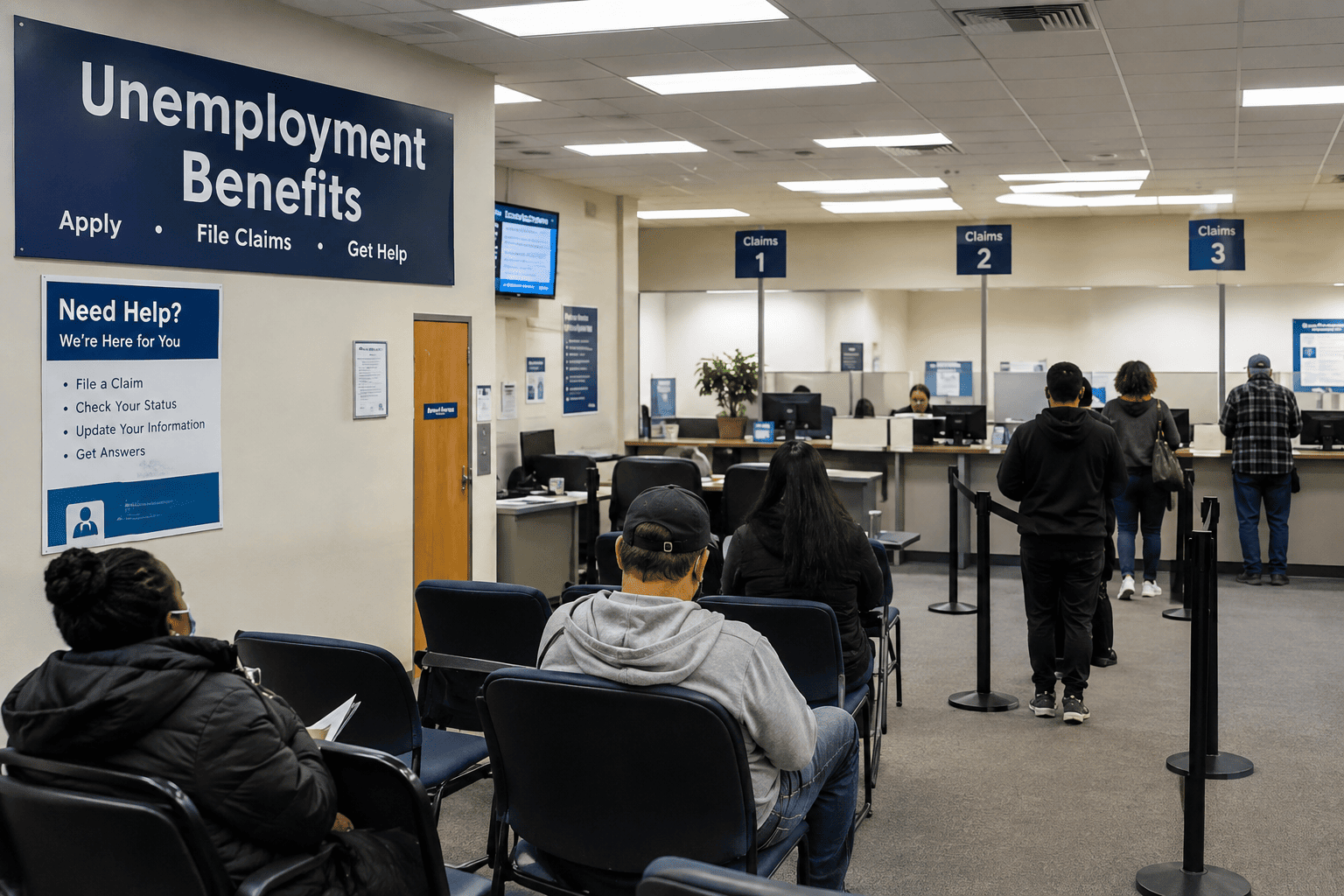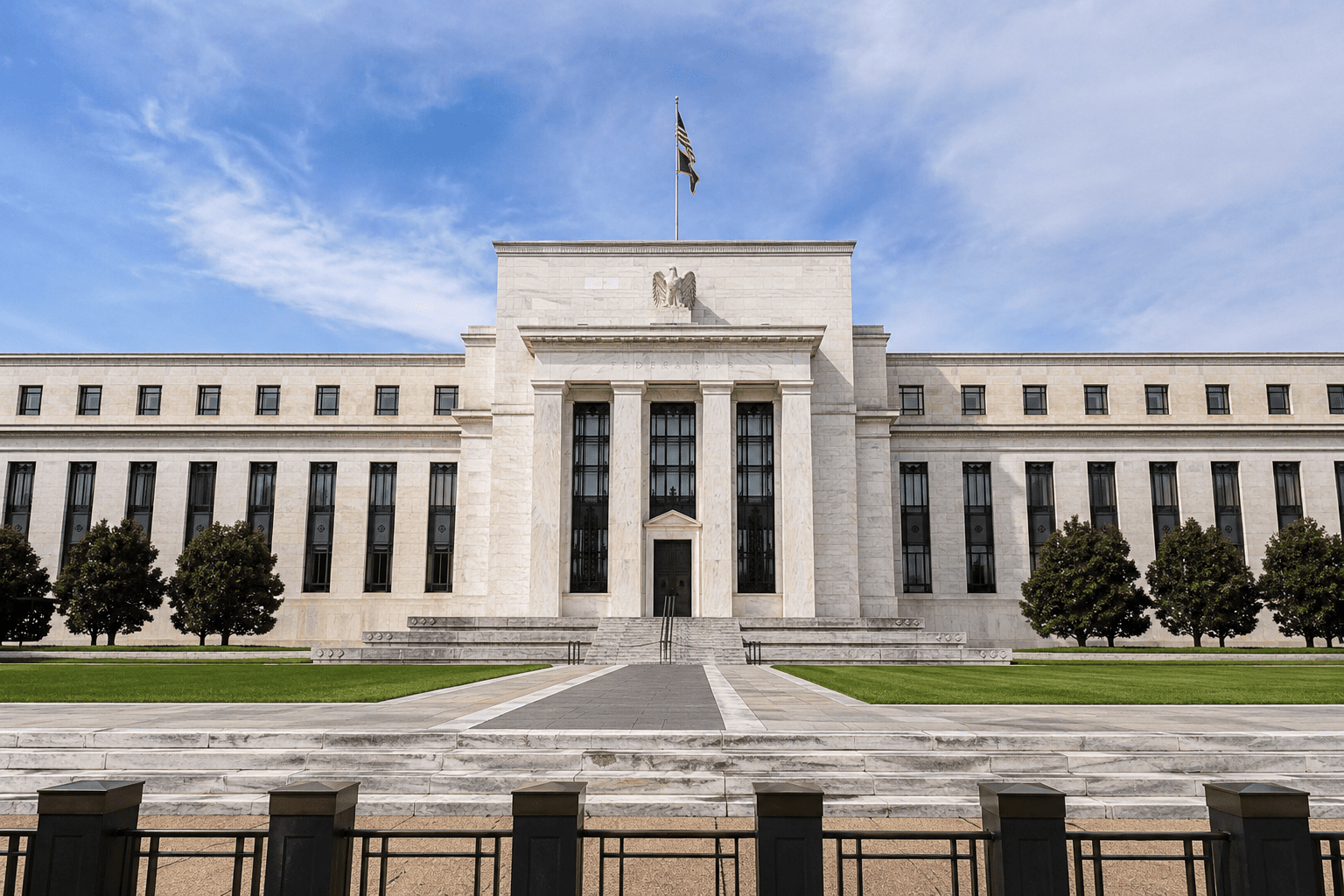
The Federal Reserve's July policy meeting is shaping up to be one of the most unpredictable in recent memory, as a confluence of geopolitical, technological, and trade factors cloud the inflation outlook. Markets now assign a 38% probability of a rate increase, up sharply from just 16% a week ago, according to CME FedWatch data.
Inflation outlook turns murky
Only two weeks ago, expectations for a July hike had receded after June's Consumer Price Index posted its first monthly decline in six years, driven by lower gasoline prices. That data seemed to give policymakers room to maintain their wait-and-see stance. But the landscape has shifted rapidly. Oil prices have climbed roughly 20% this month amid renewed Middle East tensions, even after the US paused daily strikes against Iran. Investors remain wary that Houthi attacks could disrupt Saudi crude exports through the Red Sea, keeping energy costs elevated.
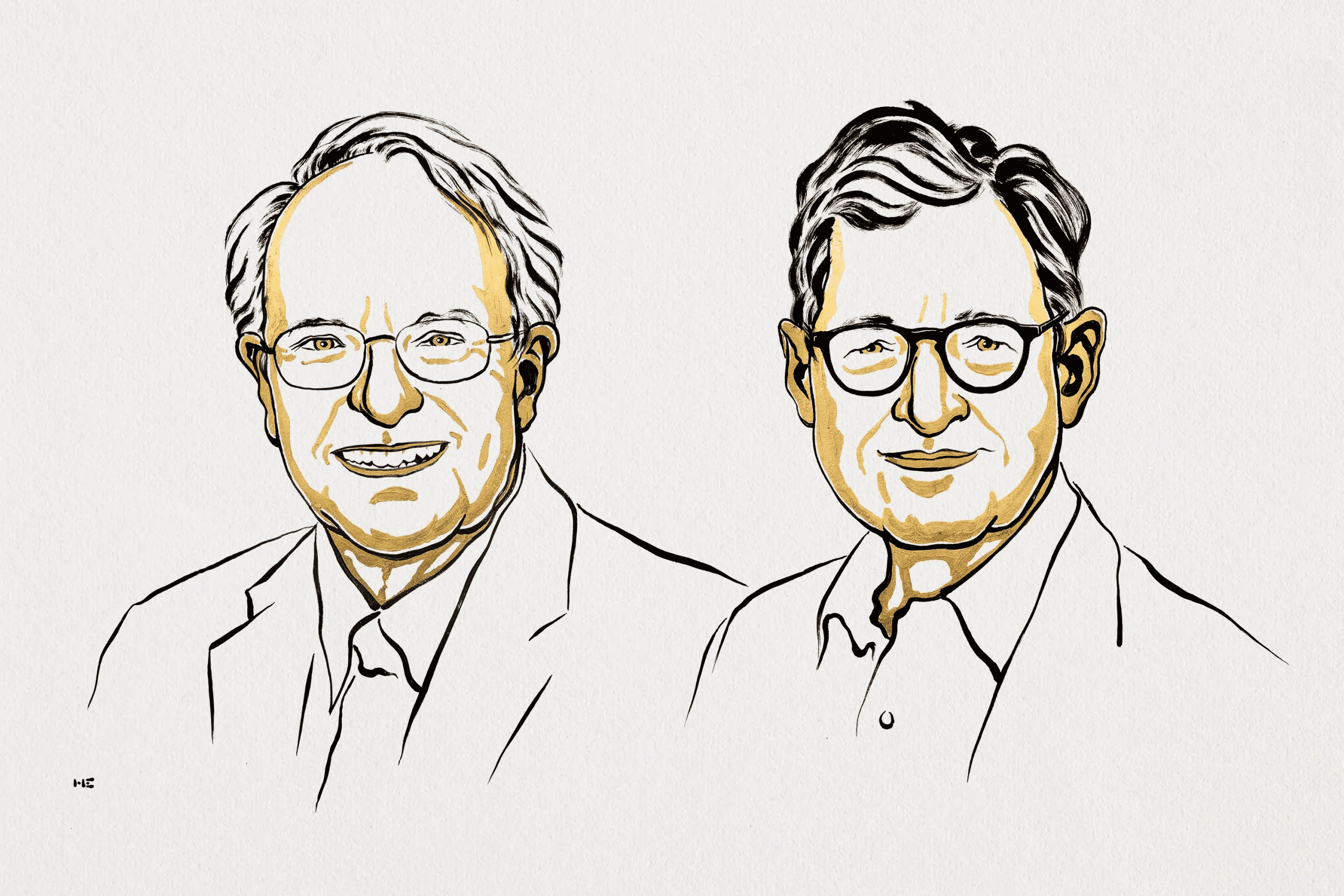
"Things are definitely heating up in the conflict in the Middle East and, for oil, the risk of moving significantly higher from here has increased," Alex Payne, a senior portfolio manager at Vanguard, told Bloomberg. "The market is adjusting to the risk of inflation being a little bit stickier due to some of these geopolitical issues."
Beyond energy, artificial intelligence investment continues to fuel demand across the economy, while the Trump administration's latest tariff announcements raise the prospect of higher import costs. These forces are complicating the inflation picture that had appeared to be improving.
Policymakers increasingly divided
Recent comments from Fed officials reveal growing disagreement over the appropriate policy path. Dallas Fed President Lorie Logan has argued that modestly higher rates may be needed because inflation is not yet returning sustainably to the 2% target. Cleveland Fed President Beth Hammack has similarly emphasized that inflation currently poses a greater challenge than employment. Both vote on this week's decision and could dissent if the committee opts to hold rates steady.
"It is clear listening to the Fed officials that you have a small group like Logan, Hammack, who probably are ready to get going," Claudia Sahm, chief economist at New Century Advisors LLC, told Bloomberg. "And then there's a pretty large group that wants to see more improvement and soon."
Minutes from the Fed's previous meeting revealed that several officials had already discussed scenarios where inflation could remain elevated due to AI-related demand, geopolitical tensions, or tariffs. Most participants indicated such circumstances would likely require higher rates.
Citadel Securities makes the case for a July hike
Citadel Securities believes policymakers may choose to act now rather than wait. Frank Flight, the firm's head of macro strategy, argued that a July increase would demonstrate the Fed's determination to restore price stability while reducing its reliance on extensive forward guidance. "The market may once again be underestimating the extent of the hawkish shift at the Fed," Flight wrote. A rate increase this week, he said, "would emphatically end the forward guidance era" while reinforcing the central bank's independence. According to Flight, moving now rather than in September could influence businesses' pricing decisions and workers' wage expectations before inflation becomes more deeply embedded, reducing the amount of policy tightening needed later.
Patience still has its advocates
Despite the growing hawkish rhetoric, not all policymakers appear ready to tighten immediately. Veronica Clark, economist at Citigroup, told Bloomberg that officials may prefer to keep rates unchanged following June's softer inflation data while monitoring whether higher energy prices translate into broader inflation. If future reports show only limited pass-through from rising oil prices while unemployment continues to edge higher, the Fed could maintain current borrowing costs for longer or even consider eventual rate cuts, she said.
That cautious approach reflects the difficult balancing act facing Chair Kevin Warsh and his colleagues. Inflation remains above target, but recent economic data have shown signs of moderation. At the same time, policymakers must judge whether temporary geopolitical shocks, robust AI investment, and higher tariffs will prove lasting enough to justify another round of monetary tightening.
The uncertainty is also rippling across global markets. In Asia, the Nikkei 225 is eyeing key earnings and US data alongside the Fed decision, while in Europe, the FTSE 100 remains flat as energy gains offset mining losses ahead of the ECB's own decision. Meanwhile, Bitcoin holds $65,000 as traders weigh the implications of the Fed's move for risk assets.
Interest-rate swaps now imply roughly a 40% probability of a quarter-point increase, an unusually high level of uncertainty this close to a Fed decision. Markets are also pricing an 81% chance of a rate hike at the September meeting, suggesting that even if the Fed holds this week, the tightening bias remains strong.
This article is for informational purposes only and does not constitute financial advice.