Labor Market Shows Resilience Amid Cautious Hiring Environment
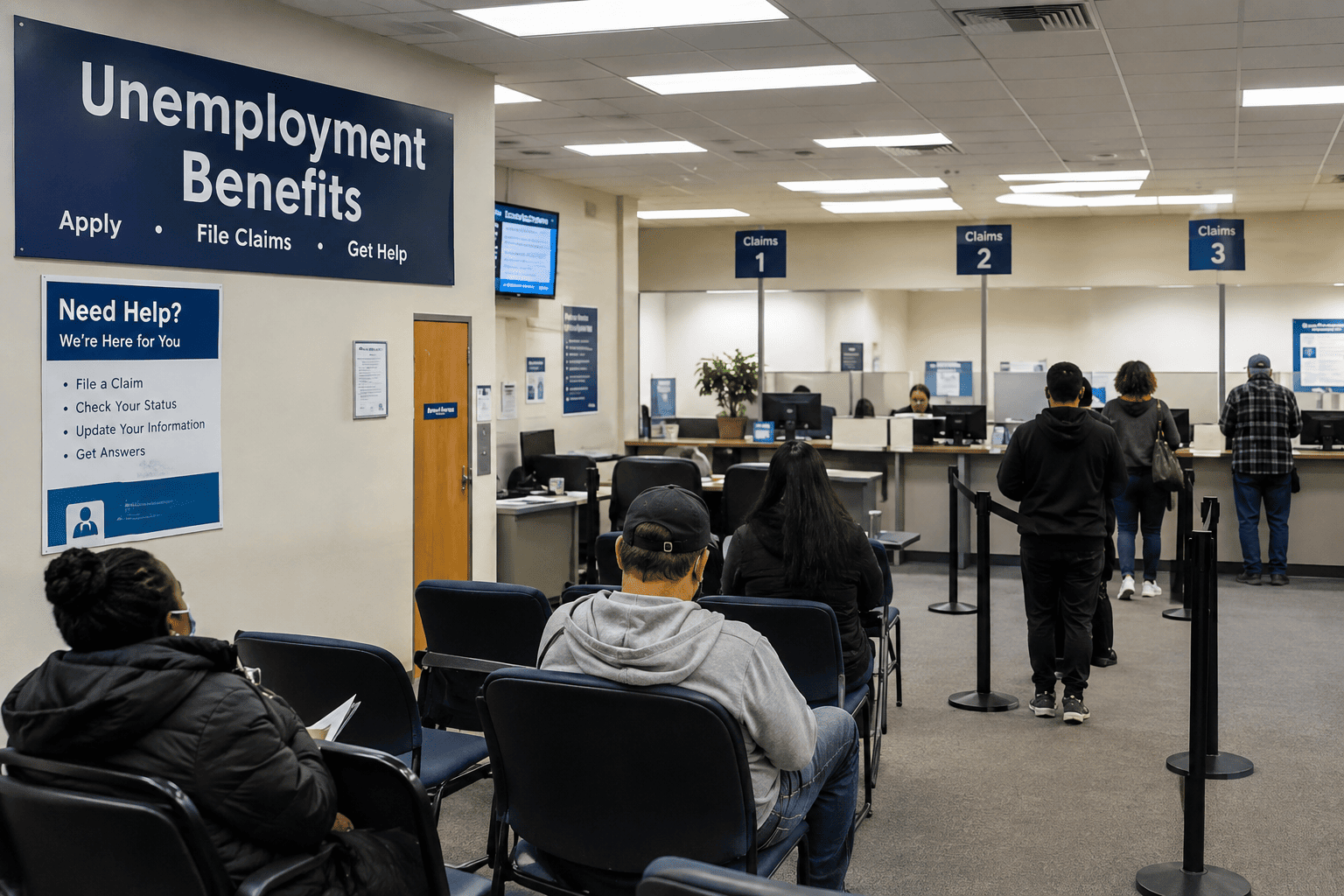
The number of Americans filing first-time applications for unemployment benefits declined last week, signaling continued strength in the U.S. labor market. According to the latest data from the Labor Department, initial jobless claims fell to a seasonally adjusted 207,000 for the week ending April 11. This figure came in below the 215,000 forecast by economists, indicating that employer layoffs remain at historically low levels.
Claims data has remained remarkably stable throughout the year, fluctuating within a tight band between 201,000 and 230,000. This consistency underscores a labor market that has maintained its equilibrium despite broader economic uncertainties, including shifting monetary policy and international tensions. The sustained low level of layoffs suggests businesses are retaining workers, a positive sign for overall economic stability.

Employer Caudence Tempers Strong Headline Numbers
While the low claims data points to minimal workforce reductions, evidence suggests hiring activity has moderated. Many employers appear to be adopting a more guarded approach to expanding their permanent payrolls. This sentiment was echoed in the Federal Reserve's recent Beige Book, which noted a growing trend of companies utilizing temporary or contract workers instead of making long-term hiring commitments.
Businesses have cited heightened geopolitical uncertainty, particularly stemming from conflicts in the Middle East, as a primary factor influencing their hiring and investment decisions. This cautious 'wait-and-see' posture reflects concerns that international tensions could disrupt the economic outlook, leading firms to prioritize flexibility over expansion.
Geopolitical Tensions and Energy Prices Add Complexity
The economic landscape is further complicated by a significant surge in oil prices, which have risen more than 35% since late February. This increase is largely attributed to the ongoing conflict and has been exacerbated by disruptions to critical shipping routes like the Strait of Hormuz. Higher energy costs act as a tax on both consumers and businesses, potentially dampening spending and investment in the coming months.
Rising producer and consumer prices driven by energy costs present a challenge for economic planners, potentially influencing the Federal Reserve's policy trajectory. The interplay between a tight labor market and inflationary pressures from commodities creates a complex backdrop for monetary policy decisions. For more on how geopolitical events are affecting corporate outlooks, see our analysis on European corporate earnings and the Middle East conflict.
Rising Continuing Claims Hint at Cooling Dynamics
A more nuanced picture emerges from the data on continuing claims, which measures the number of individuals already receiving unemployment benefits. This figure rose by 31,000 to 1.818 million for the week ending April 4. An increase in continuing claims can indicate that those who are out of work are taking longer to secure new positions, suggesting a potential slowdown in the pace of re-employment.
Analysts note that this data can be influenced by structural factors, including the expiration of standard 26-week benefit periods in most states. When individuals exhaust their eligibility, they are no longer counted in the figures. Nonetheless, the rise adds to other signals that the white-hot hiring pace of recent years has cooled to a more sustainable, yet still healthy, level.
The current labor market configuration—characterized by low layoffs, cautious hiring, and moderating job search success—represents a period of recalibration. It suggests the economy may be transitioning from a phase of rapid post-pandemic recovery to one of more measured growth. This environment has implications for consumer spending, corporate profit margins, and overall economic momentum. Investors monitoring broader market trends can review related developments in global equities reaching record highs.
Market participants will closely watch upcoming employment reports for confirmation of these trends. The stability in jobless claims provides a foundation for economic confidence, but the interplay with inflation, geopolitical risk, and consumer behavior will determine the market's direction in the coming quarters. For insights into how major indices are performing amid these mixed signals, consider the performance of S&P 500 ETFs like SPY and VOO.
This article is for informational purposes only and does not constitute financial advice.