IMF Re-Engages with Venezuela After Years of Limited Contact
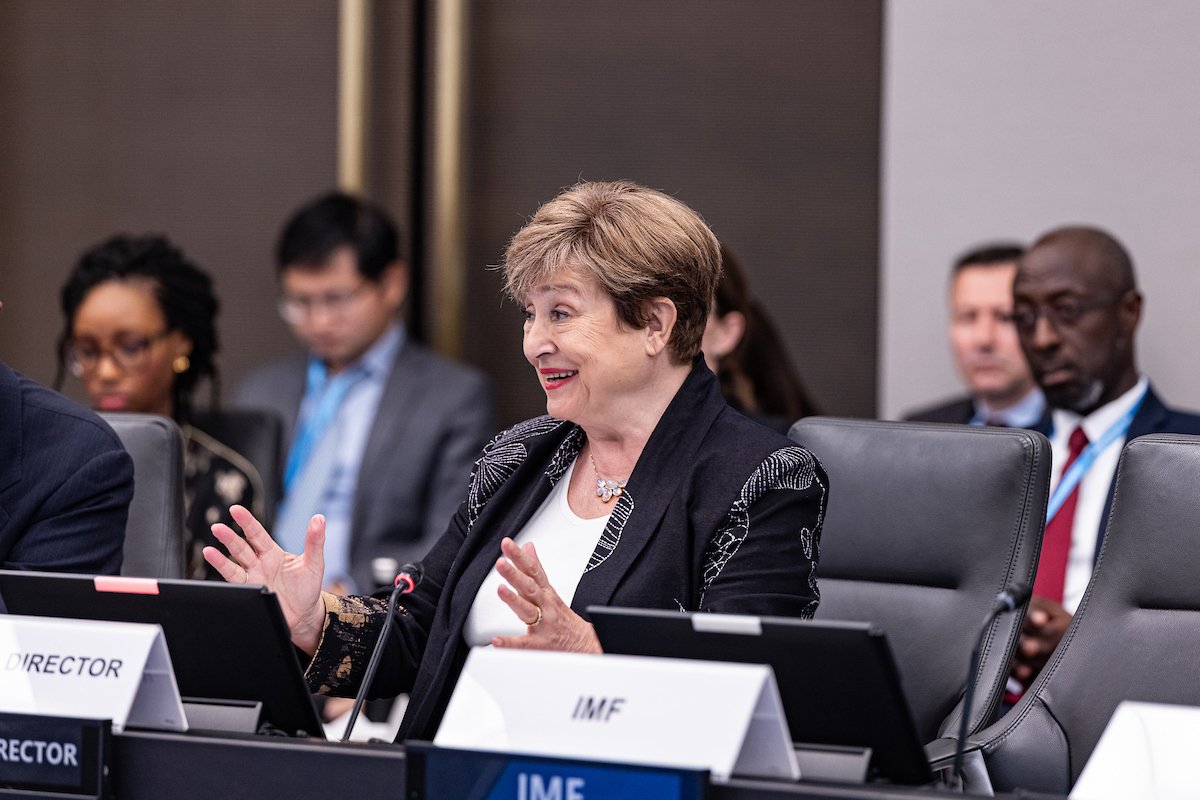
The International Monetary Fund has taken a significant step toward re-establishing a formal relationship with Venezuela, marking a potential turning point for the country's long-isolated economy. IMF Managing Director Kristalina Georgieva announced the institution is prepared to deploy a team to work with Venezuelan authorities, contingent on progress in key areas. This development follows a period of minimal interaction since 2019 and represents the first move toward a comprehensive economic assessment in decades.
Conditions Precede Any Financial Assistance
Georgieva emphasized that any path to a financial support program requires Venezuela to meet specific foundational conditions. The foremost priority is addressing severe shortcomings in economic data reporting. The IMF chief noted that the quality of information from Caracas "falls very short" of the standards necessary for sound policymaking. The Fund has initiated contact with Venezuela's finance ministry, central bank, and statistical agency to begin remedying these gaps.

Beyond data transparency, the IMF aims to assist in rebuilding institutional capacity within Venezuela's economic governance framework. Georgieva stated that Venezuelan officials are currently engaging in discussions with "good faith," but cautioned that the nation faces "a very tough road" to achieve macroeconomic stability. The IMF is coordinating this effort with other multilateral lenders, including the World Bank and the Inter-American Development Bank, to ensure a cohesive support strategy.
Market Reaction and Sovereign Debt Rally
The announcement of renewed IMF engagement triggered an immediate positive reaction in the market for Venezuelan debt. Sovereign bonds and notes issued by state-owned oil firm PDVSA experienced notable gains. Venezuela's 2023 sovereign bond climbed 4.1 cents to trade at 51.25 cents on the dollar, reaching its highest valuation since 2017. Similarly, PDVSA's 2021 bond increased by 2.9 cents to 47 cents.
This market movement reflects investor speculation that deeper IMF involvement could eventually lead to a structured financial program and a potential debt restructuring process. Historically, IMF-backed plans provide a framework for negotiations with international creditors and can unlock access to additional funding sources. The rally suggests market participants are pricing in improved prospects for economic stabilization, though significant hurdles remain.
Broader Economic and Political Context
The IMF's re-engagement occurs amid shifting political and economic dynamics within Venezuela. The potential for normalized relations with international financial institutions represents a critical opportunity for a country grappling with hyperinflation, a collapsed currency, and widespread poverty. Access to IMF resources and technical expertise could support efforts to rebuild the nation's strained economic infrastructure.
However, analysts note that progress will be incremental and strictly conditional. The IMF's statement clearly outlines that assembling a staff team and conducting an assessment are preliminary steps. A full financial program would require demonstrable advances in data integrity, policy reforms, and governance. The process underscores the complex interplay between economic recovery and institutional reform in emerging markets facing prolonged distress. For context on how geopolitical developments influence commodity markets, see our analysis on oil price volatility and the report on global export strains.
This article is for informational purposes only and does not constitute financial advice.