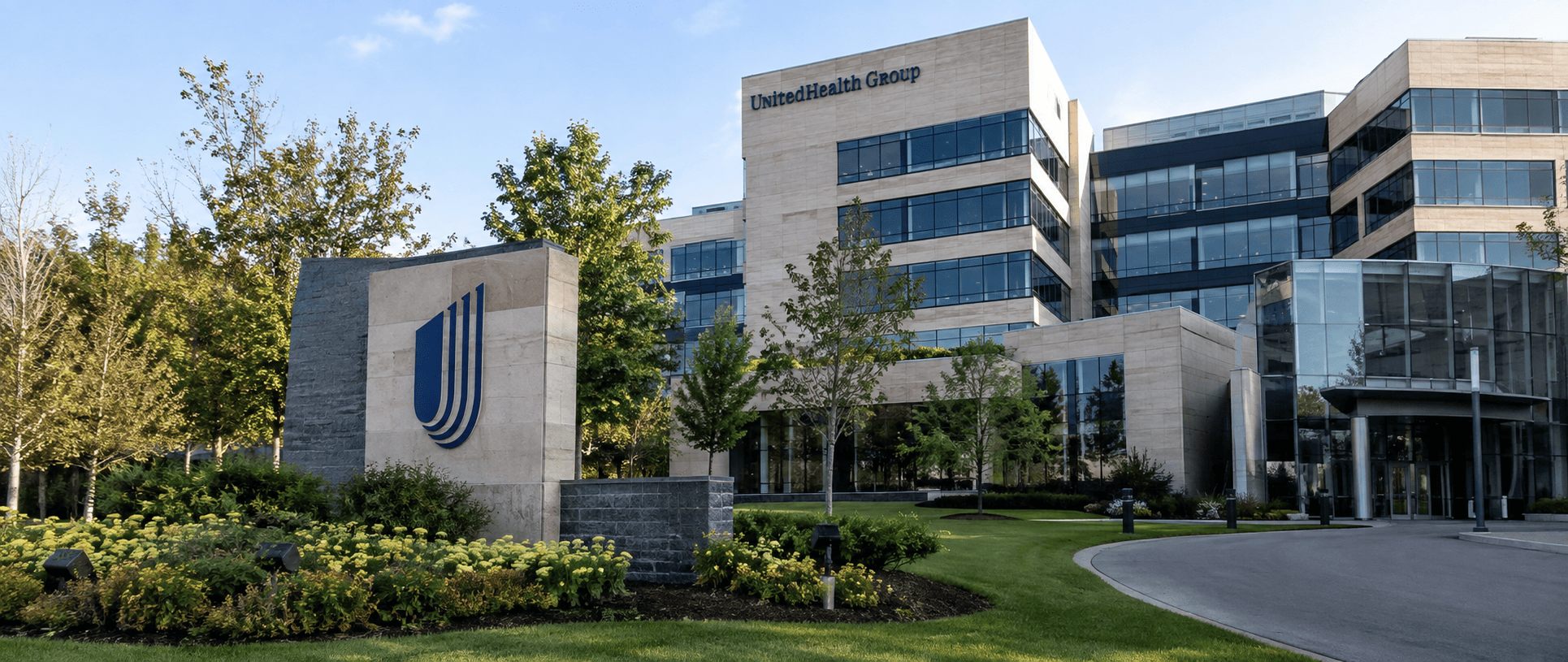
UnitedHealth Group (NYSE: UNH) confirmed the sale of a partial stake in its Optum Health Florida primary-care network, which includes WellMed operations, to private equity firm TPG. The transaction provides strategic growth capital while allowing UnitedHealth to retain an equity interest in the regional clinic footprint. Shares of UNH edged lower in early trading, but the stock remains roughly 50% above its late-March low, reflecting a strong recovery over recent months.
What the TPG Deal Means for UNH Stock
Analysts view the partial divestiture as a net positive for UnitedHealth's medium-to-long-term outlook. By partnering with TPG, Optum Health gains dedicated capital to accelerate clinic expansion—targeting about 15 new locations annually—without bearing the full burden of capital expenditures. This move is not a sign of distress; rather, it allows UnitedHealth to optimize capital allocation during a challenging period for its care-delivery segment.
Monetizing mature assets enables management to focus on core profitability while retaining upside through its remaining stake as TPG drives operational efficiencies. The deal also helps de-risk Optum's balance sheet against persistent Medicare Advantage headwinds. With elevated medical care ratios squeezing margins across value-based care, sharing equity ownership in capital-intensive primary-care networks insulates UNH from downside margin volatility in Florida.
Financial Flexibility and Strategic Benefits
Cash proceeds from the transaction provide UnitedHealth with financial flexibility to pay down debt, fund share buybacks, or reallocate capital toward higher-margin businesses like OptumRx and Optum Insight. This disciplined portfolio pruning reinforces the company's long-term earnings power and signals to investors that management is actively addressing margin dilution in its health services division.
The Florida joint venture establishes a repeatable blueprint for asset-light expansion, demonstrating that Optum can sustain aggressive clinic growth through strategic co-investments rather than balance-sheet-heavy acquisitions. As UnitedHealth executes its broader operational turnaround, this prudent realignment positions the conglomerate to deliver more resilient free cash flow and restored margin expansion through the remainder of the fiscal year.
Wall Street's View on UnitedHealth
Wall Street analysts currently rate UnitedHealth shares at Overweight, with a mean price target of about $480, implying potential for a more than 20% rally from current levels. The TPG deal reflects a disciplined shift toward higher-return operational priorities, and by offloading operational drag in a heavily regulated market, UnitedHealth can redirect executive focus toward stabilizing core health insurance underwriting and scaling tech-driven care delivery platforms.
For investors, the transaction underscores UnitedHealth's commitment to capital efficiency and strategic growth. While the immediate stock reaction was muted, the long-term implications are constructive, especially as the company navigates a complex healthcare landscape. As always, investors should consider their own risk tolerance and investment objectives.
This article is for informational purposes only and does not constitute financial advice.