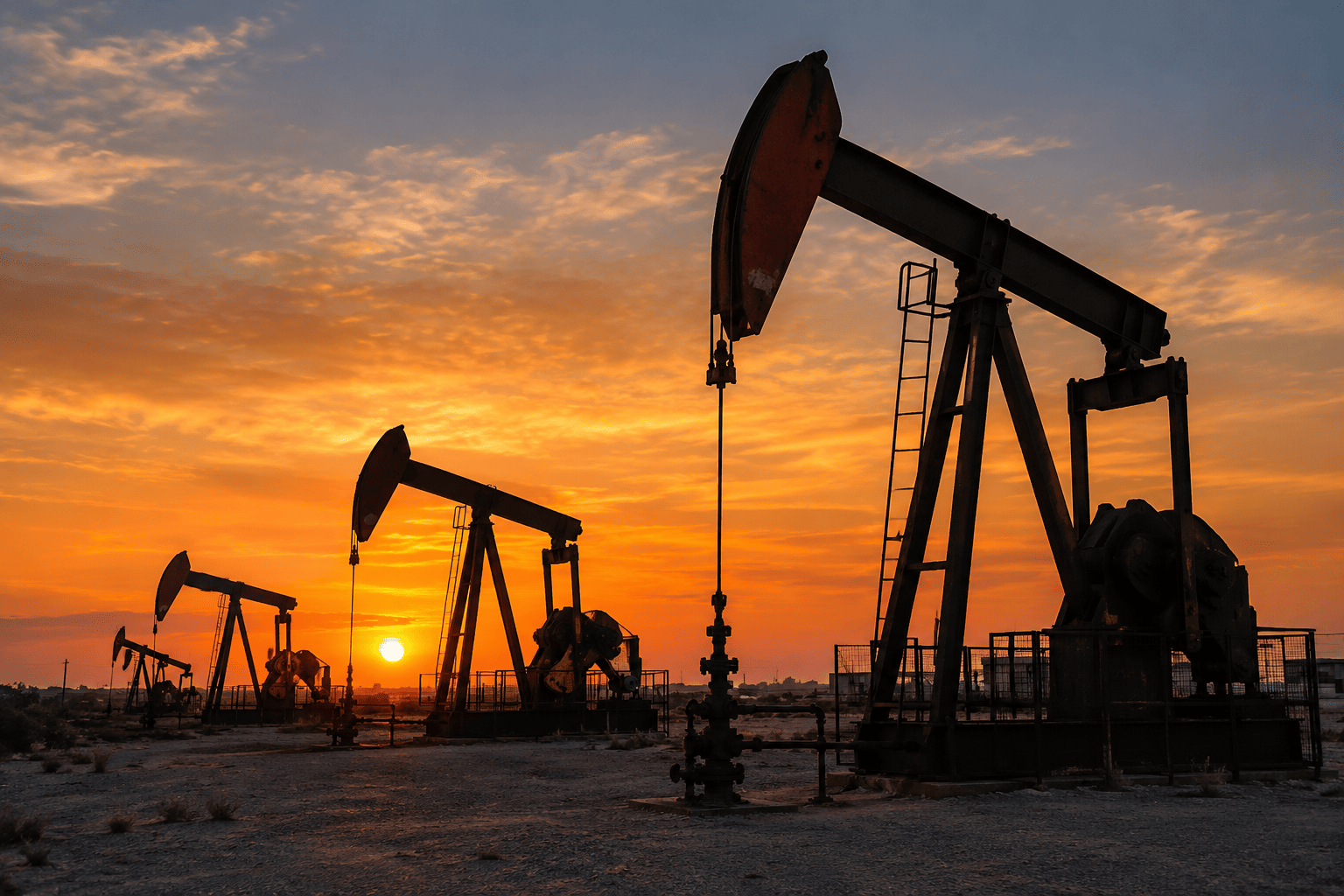
Brent crude pushed toward $100 a barrel on Wednesday, yet global equities have shown remarkable composure, suggesting investors view the oil spike as a costly disruption rather than a full-blown energy crisis. The international benchmark reached approximately $99.5 in Asian trading, while West Texas Intermediate climbed toward $94.6, following attacks on tankers, Gulf energy infrastructure, and US forces.
Despite the escalating tensions, market reactions have been muted. The S&P 500 slipped 0.6% on Tuesday, and the Nasdaq fell just 0.3%. In Asia, South Korea's KOSPI gained over 1% on Wednesday, while Japan's Nikkei 225 hovered near flat. This measured response underscores that investors see buffers that prevent panic.

Supply Shock, Not a 1970s-Style Shortage
The first line of defense is that the supply disruption, while severe, is not absolute. The International Energy Agency estimates that roughly 20 million barrels per day normally transit the Strait of Hormuz—about a quarter of global seaborne oil trade. Traffic has been heavily disrupted, but Saudi Arabia and the UAE retain an estimated 3.5 million to 5.5 million barrels per day of pipeline capacity that can bypass the strait.
Inventories provide another cushion. Goldman Sachs analysts note that OECD commercial stocks have barely declined since the conflict began and remain comfortably above historical operational lows. They expect the market to adapt through pipeline rerouting and unrecorded flows. This helps explain why Goldman raised its year-end Brent forecast to $90 rather than adopting a permanently triple-digit base case.
Equities Have Their Own Shock Absorbers
Higher crude prices hurt airlines, transport firms, retailers, and other energy-intensive sectors, but they simultaneously boost oil producers and refiners. The S&P 500 energy sector has risen more than 40% this year, providing a partial hedge against expensive crude. Technology is also offsetting the impact: on Tuesday, the Nasdaq-100 briefly turned positive as the Philadelphia Semiconductor Index climbed over 2%, showing investors still favored AI-linked growth despite the oil shock.
The VIX remained below 16 on Tuesday, a level Goldman Sachs analysts described as unusually restrained given the mounting macro risks. This suggests the market's calm is conditional rather than complacent.
The Real Danger: What $100 Oil Does Next
Oil becomes more damaging to equities when it stays elevated long enough to feed through fuel, freight, and consumer prices. Nic Puckrin of Coin Bureau told Barron's that unusually high diesel crack spreads risk pushing costs through transport, logistics, manufacturing, and retail. Bond markets are already paying attention: the US 10-year Treasury yield closed around 4.81% on Tuesday, its highest since 2023, as investors weighed the inflation implications of higher energy costs.
Friday's US CPI report may therefore be the bigger test. If inflation remains contained, equities can continue treating Brent near $100 as manageable. But if crude decisively breaches $100 and forces central banks to stay tighter for longer, the stock market's refusal to panic may become much harder to sustain.
For context, recent developments have already shown how oil price movements can ripple through markets. Brent crude's earlier surge highlighted the fragility of Gulf supply, while Goldman's December forecast reflects the market's ability to adapt. Meanwhile, stocks have shown resilience even as oil and geopolitical worries persist.
This article is for informational purposes only and does not constitute financial advice.