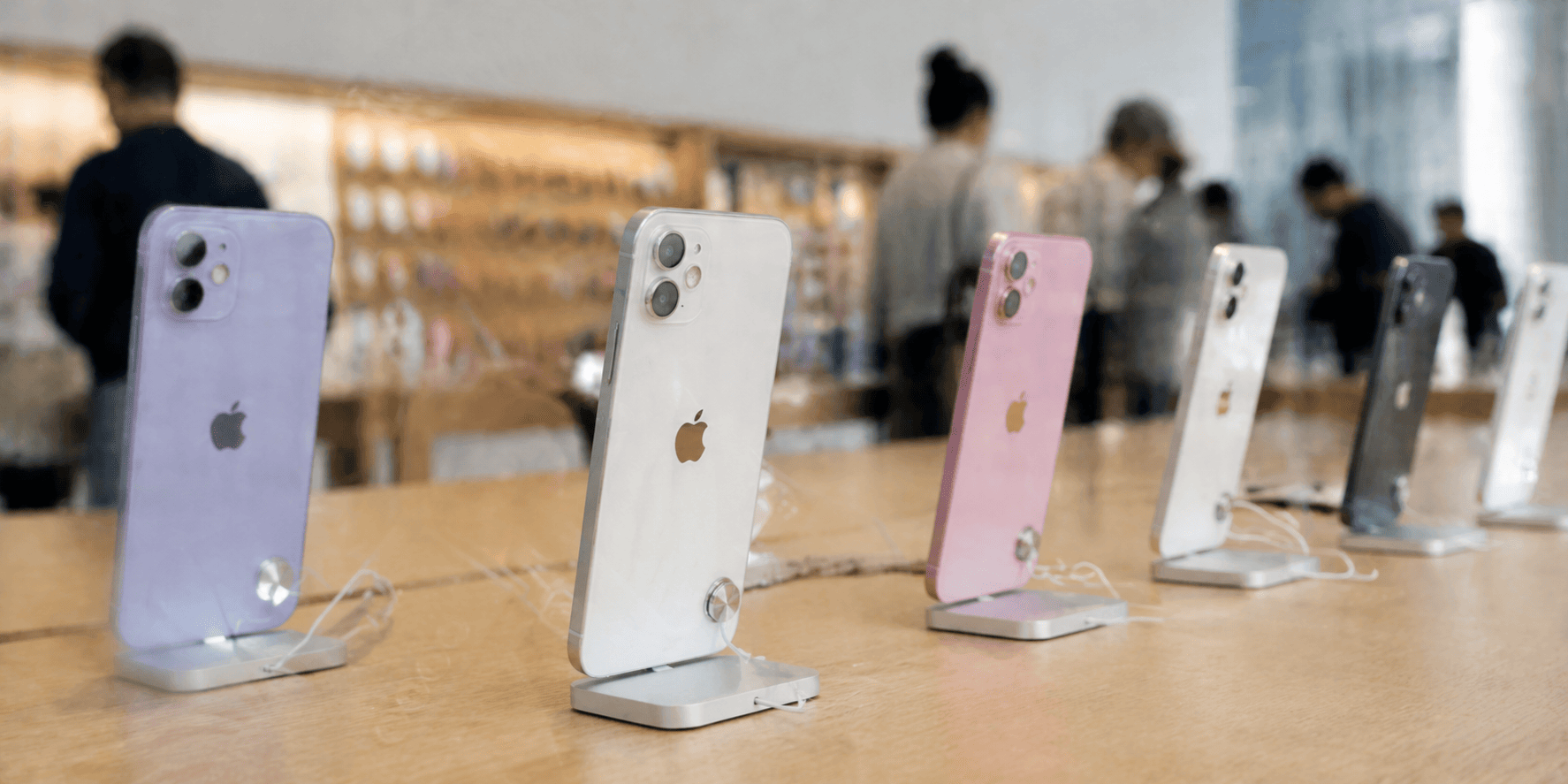
Apple is set to unveil its first foldable iPhone at its highly anticipated launch event today, but institutional investors are bracing for a potential "sell-the-news" reaction. Despite the buzz around the hardware shift, many analysts believe the foldable device alone won't provide a lasting boost to Apple's stock.
Shares of Apple (AAPL) have climbed more than 15% since the start of 2026, reflecting optimism ahead of the event. However, history suggests that major product launches often fail to generate immediate upside. According to Bank of America analyst Wamsi Mohan, AAPL shares have declined following 10 of 24 major product launches since 2007, and remained roughly flat on five other occasions.

Michael Khouw, senior strategist at Tidal Financial, echoed this sentiment in a pre-event interview with CNBC: "I'm not expecting the stock to do a whole heck of a lot coming out of the announcement. It usually doesn't." While Apple has historically gained momentum over a 60-day horizon post-event, traders may lock in profits after the recent rally, muting any short-term enthusiasm.
What Matters More Than the Foldable Form Factor
Rather than the novelty of a foldable screen, experts are zeroing in on Apple's pricing power, profit margins, and artificial intelligence (AI) integration. Paul Meeks, head of tech research at Freedom Capital, expressed skepticism about the form factor itself, noting that Samsung has offered foldable devices for years. "A very expensive foldable phone does not get me jazzed," he said.
The key question is whether Apple can raise prices by over $100 to offset surging memory component costs. Analysts at HSBC and MoffettNathanson emphasize that pricing structure and CEO commentary on near-term replacement cycles and large language model (LLM) features will have a far greater impact on AAPL shares than the hardware itself.
A Margin Balancing Act
For Apple, the foldable iPhone represents a complex margin equation rather than an immediate windfall. MoffettNathanson estimates that a premium "Ultra" foldable would need a price tag close to $2,500—approaching baseline MacBook Pro levels—to avoid diluting Apple's standard 40% product margins. Such a luxury price could test brand loyalty and limit consumer adoption.
Long-term valuation upside, however, hinges on software monetization and execution. If Apple successfully pairs high-margin hardware with an expanding AI ecosystem, the device could support sustained revenue growth, even if it fails to ignite an immediate stock pop. For more on the potential revenue impact, see our analysis of the $14B opportunity.
Wall Street Remains Bullish Long-Term
Despite near-term caution, Wall Street's long-term outlook for Apple remains positive. According to The Wall Street Journal, the consensus rating on AAPL is Overweight, with price targets reaching as high as $400. Investors should watch for signals on pricing and AI during today's event, as these factors are likely to drive the stock more than the foldable design itself. For a deeper dive into the launch event, check out our coverage of the September 9 event.
As Apple navigates this new product cycle, the focus shifts to execution and margin management. While the foldable iPhone may not be an immediate catalyst, its success could shape Apple's growth trajectory for years to come. For context on how Apple's stock has reacted to recent supply chain issues, see this report on output hurdles.
This article is for informational purposes only and does not constitute financial advice.