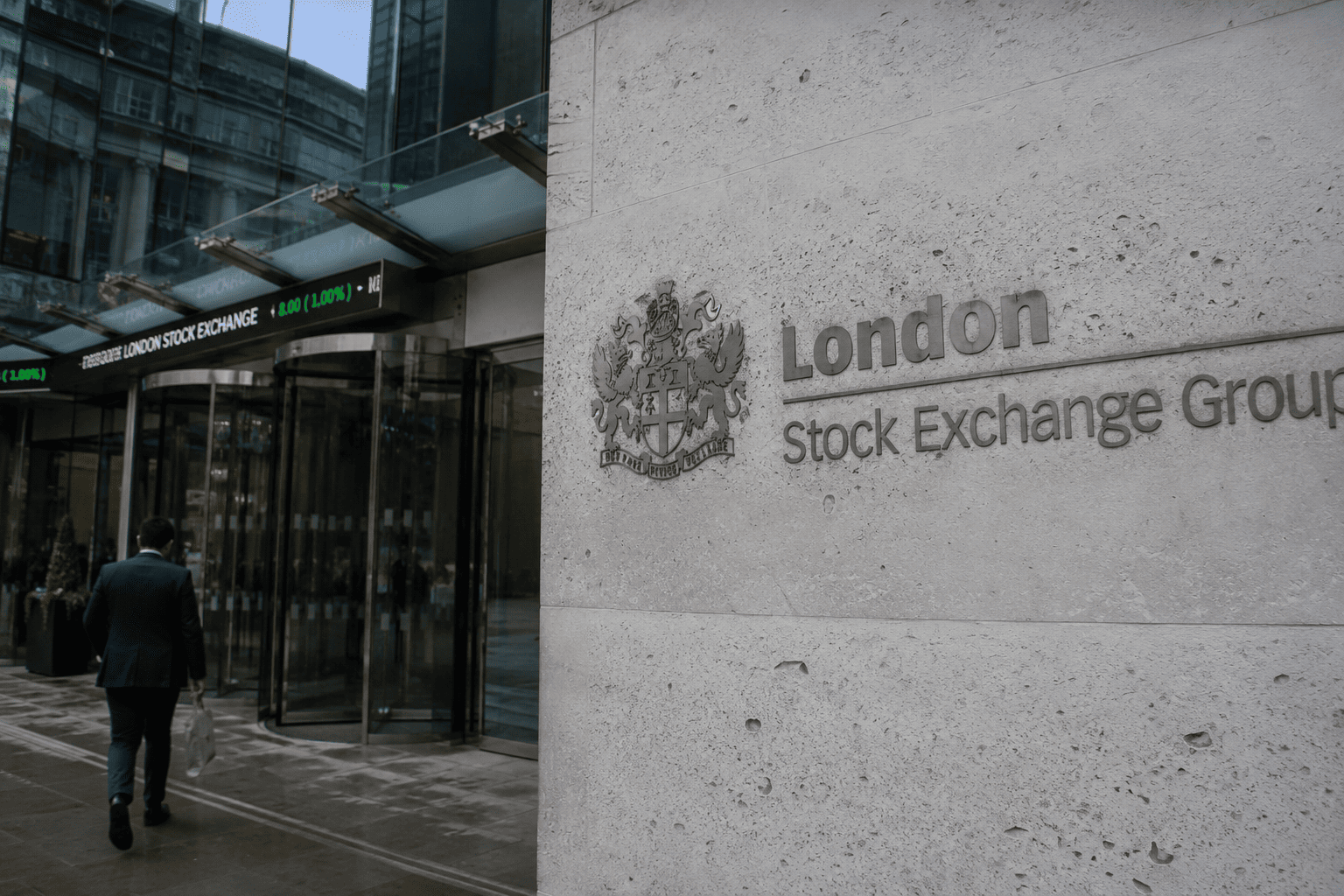
The proposed £5.5 billion acquisition of easyJet by US investment firm Castlelake underscores a record-breaking year for foreign takeovers of UK-listed companies. The deal, which easyJet's board intends to accept, follows a string of high-profile acquisitions that have pushed the total value of takeover offers for UK firms beyond $231 billion in 2026—a surge of more than 210% from the same period last year, according to Reuters.
Foreign buyers dominate UK M&A
Overseas acquirers now account for 86% of all UK mergers and acquisitions by value this year, up from 75% in 2025. US buyers represent more than half of those bids. Recent transactions include Schroders' £9.9 billion takeover by US-based Nuveen, Tate & Lyle's £2.7 billion sale to Ingredion, and Intertek's £10.9 billion acquisition by Swedish private equity group EQT. Unilever also agreed to sell its food business to McCormick & Co for $44.8 billion, the largest UK-related deal so far this year.

Warehouse landlord Segro received a £12.6 billion proposal from US rival Prologis last month, though the offer was rejected as undervaluing the company. The wave of foreign interest is reshaping London's public equity landscape, with many investors questioning the long-term competitiveness of the UK market.
Valuation gap drives strategic interest
Fund managers point to a wide valuation gap between UK-listed companies and global peers, particularly in the US. According to World PE Ratio data, US equities trade at a price-to-earnings multiple of about 26.5 times, compared with roughly 18 times for UK stocks. Structural factors—including slower earnings growth, greater exposure to cyclical sectors, and a smaller technology sector—partly explain the discount, but many believe it has become excessive.
“There is effectively a London postcode discount between comparable companies,” said Clive Beagles, manager of the JOHCM UK Equity Income Fund. He noted that Standard Chartered trades at a roughly 40% discount to DBS Bank despite similar geographic footprints, and IAG trades at half the earnings multiple of Delta Air Lines despite a stronger balance sheet.
Mark Ellis, founder and chief investment officer at Nutshell Asset Management, said the discount has created an attractive opportunity for strategic acquirers. “The UK market increasingly resembles one where prices are being driven more by sentiment than by underlying business quality,” he told Morningstar. “As a result, overseas acquirers are purchasing globally diversified, cash-generative companies at valuations that would be difficult to find elsewhere.”
IPO market lags as departures mount
While takeovers accelerate, London's initial public offering market remains subdued. Geopolitical tensions and concerns about technology valuations have delayed planned debuts, exacerbating the imbalance between companies leaving the market and new listings. This trend has intensified worries about London's long-term competitiveness as a financial centre, a topic also explored in reports on foreign capital flows.
Some see opportunity in cheap valuations
Not all investors view the UK's lower valuations negatively. Dan Coatsworth, head of markets at AJ Bell, argues that buying cheap offers greater long-term upside. “You can buy shares in the best company in the world but pay too much, and you are dependent on everything going perfectly forever,” he said. Lower valuations provide a margin of safety and increase potential returns if earnings improve and multiples recover.
The UK also offers stronger dividend income. The FTSE 100 currently yields an expected 3.2% over the next year, compared with about 2.1% for the S&P 500. “In the UK, there is a long-standing dividend culture where companies understand the value of regular cash rewards for shareholders,” Coatsworth added.
Meanwhile, the trend of companies rebranding to capture market premiums—similar to the AI rebranding phenomenon—highlights how sentiment can drive valuations. For now, foreign buyers are capitalizing on the UK's discount, but the shrinking public market raises questions about the future of London as a global equity hub.
This article is for informational purposes only and does not constitute financial advice.