Foreign Investors Reverse Course on South Korean Assets
After a period of significant outflows, international capital is returning to South Korean financial markets. This shift follows a challenging March that saw foreign investors withdraw from the region at a notable pace. The renewed interest appears driven by two distinct factors: a rebound in technology stocks linked to artificial intelligence and anticipatory demand for government bonds ahead of a major index inclusion.
Equity Markets Rebound on Renewed Tech Enthusiasm
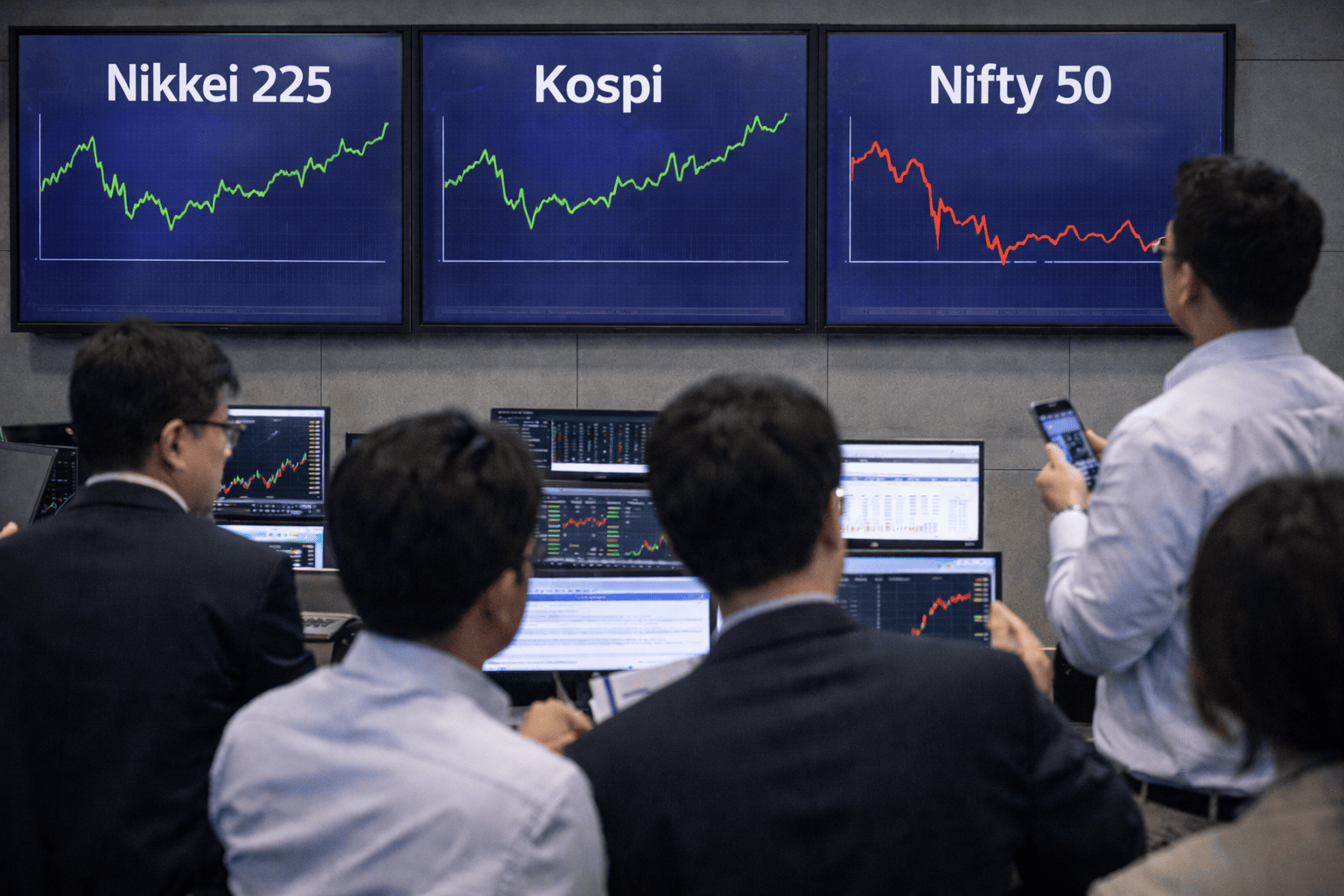
The primary catalyst for the equity inflow is a resurgence in global risk appetite, specifically surrounding the semiconductor and AI hardware sectors. South Korea's market provides concentrated exposure to key players in memory chip manufacturing, which are critical for data center infrastructure supporting AI development. Following substantial net selling in March, foreign investors have become net buyers in April, signaling a tactical repositioning rather than merely a sentiment bounce. This trend aligns with the broader recovery of the Kospi index, which has recouped a significant portion of its recent losses.

Bond Market Gains Structural Support from FTSE Russell
While equities attract cyclical flows, the bond market is benefiting from a more structural development. South Korea's upcoming inclusion in the FTSE Russell World Government Bond Index (WGBI), scheduled for late 2025, is already drawing attention from global fixed-income managers. This inclusion is expected to channel substantial passive and benchmark-aware investment into Korean sovereign debt. Early indicators show increased foreign buying in government bonds, contributing to relative stability and lower benchmark yields compared to the volatility seen in stocks. This integration into a major global benchmark enhances the market's profile for international investors.
The Persistent Challenge of a Weak Currency
A significant headwind tempering the optimistic inflow story is the performance of the South Korean won. The currency has depreciated to multi-year lows, influenced by the nation's reliance on imported energy and a broader investor preference for U.S. dollar assets during periods of geopolitical uncertainty. A weaker won increases the cost of crucial imports like fuel and raw materials, which can translate into higher domestic inflation and constrain the central bank's policy options. This currency dynamic can erode the returns for foreign investors when converted back to their home currencies, presenting a key risk to the sustainability of the capital inflow trend.
Long-Term Reforms Aim to Address the "Korea Discount"
Beyond short-term market movements, some investors are monitoring Seoul's ongoing corporate governance reforms. Government initiatives aim to address the long-observed valuation gap—often termed the "Korea discount"—between South Korean equities and their peers in other developed markets. These measures focus on improving shareholder protections and encouraging more investor-friendly corporate practices. While this is a gradual process compared to the immediate impact of AI trends or index changes, successful implementation could attract more strategic, long-term capital seeking a potential market re-rating over time.
Balancing Catalysts Against Macroeconomic Risks
The current environment presents a mix of opportunities and challenges for South Korean markets. The confluence of a tech-driven stock rally and predictable bond inflows provides a clear narrative for renewed foreign interest. However, these positive factors are counterbalanced by macroeconomic vulnerabilities, including currency weakness, elevated import costs, and lingering regional geopolitical tensions. The market's performance will likely depend on whether the strength from specific sectors and index-driven demand can outweigh these broader economic pressures.
For related coverage on regional market tensions, see Kospi Enters Bear Market as Korean Won Hits 15-Year Low. The AI theme driving tech stocks is also explored in AI Rebrands Fuel Stock Surges. Additionally, global energy market fluctuations remain a key concern, as noted in Oil Prices Gain 3% on Supply Disruption Fears.
This article is for informational purposes only and does not constitute financial advice.