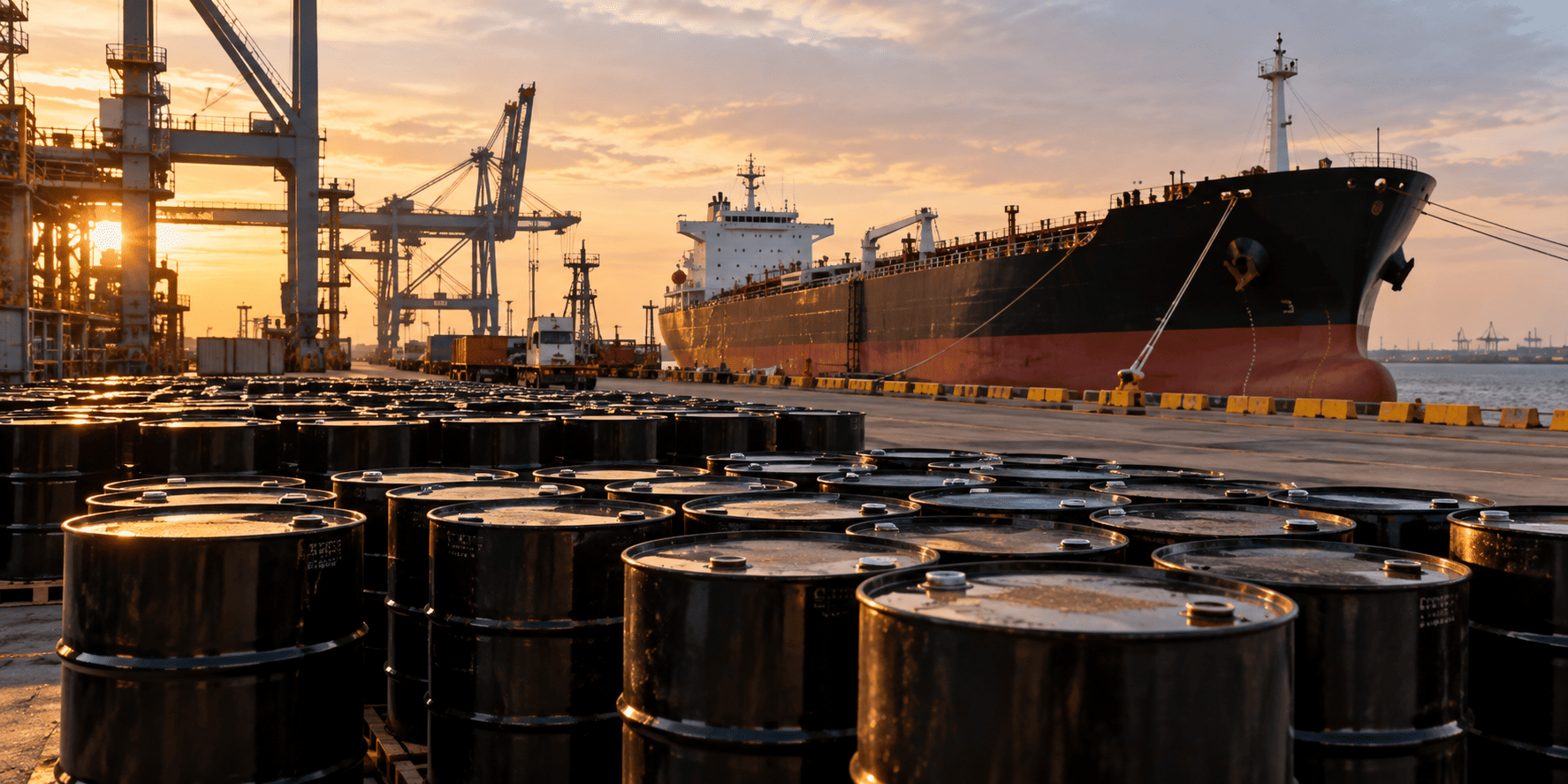
Oil prices extended their decline on Monday as traders weighed the impact of rising OPEC+ supply against a still-incomplete recovery of Gulf exports through the Strait of Hormuz. Brent crude slipped to around $71.88 per barrel, while West Texas Intermediate traded near $68.58, reflecting persistent bearish sentiment in the commodity markets.
OPEC+ Continues to Add Barrels Despite Falling Prices
The Organization of the Petroleum Exporting Countries and its allies, including Russia, agreed on Sunday to raise production targets by 188,000 barrels per day starting in August. The move follows similar increases for June and July and is part of a broader plan to unwind the 1.65 million bpd cut implemented in 2023. Seven core members—Saudi Arabia, Russia, Iraq, Kuwait, Kazakhstan, Algeria, and Oman—are participating in the latest adjustment.
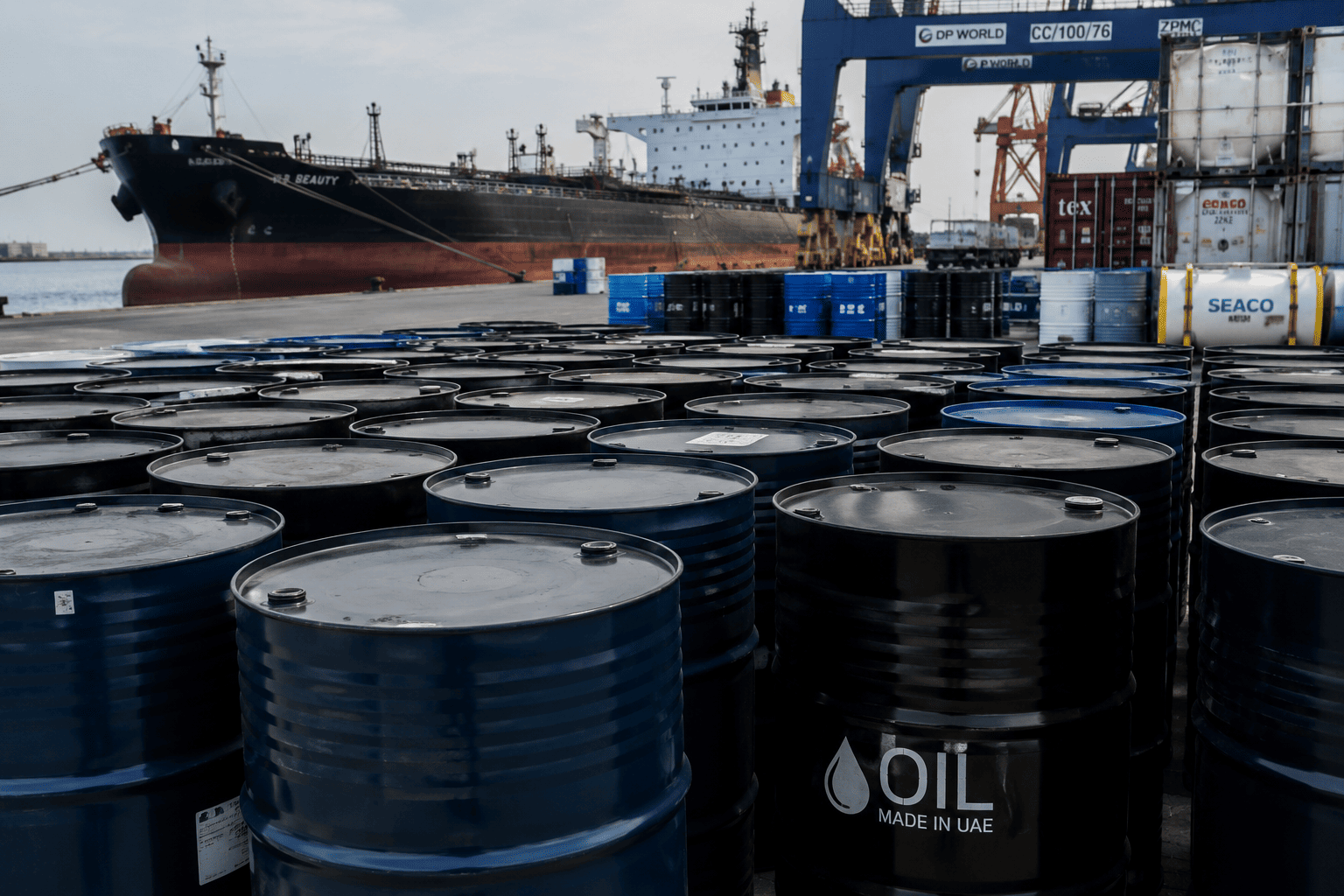
While the theoretical increase should add downward pressure on prices, analysts caution that the actual impact may be muted. The earlier closure of the Strait of Hormuz due to the US-Iran conflict meant that many of the previously announced OPEC+ increases were largely symbolic, as key producers could not fully export their allotted volumes. Tony Sycamore, market analyst at IG, described the quota increase as “largely in line with expectation,” but noted that with the UAE outside the group and production still ramping up, the numbers may not translate into immediate market pressure.
UBS analyst Giovanni Staunovo echoed that view, emphasizing that the near-term focus will be on how quickly tankers can transit the Strait of Hormuz and how rapidly demand—particularly from China—recovers. The gap between paper barrels and actual supply remains significant. OPEC+ output fell to 33.13 million bpd in May from 42.77 million bpd in February, and while it began recovering in June, it remains well below pre-war levels.
Gulf Exports Rebound but Remain Below Normal
The supply picture is improving, but it is far from normalized. OPEC output rose by 3.3 million bpd in June to 19.43 million bpd, recovering from its lowest level in more than two decades. Gulf oil exports also jumped by more than 3 million bpd from May to exceed 10 million bpd, though they were still about 40% below pre-war levels.
That partial recovery explains both the price decline and the lingering caution among traders. Ole Hansen, head of commodity strategy at Saxo Bank, noted that much of the oil currently leaving the strait had been sitting in tankers or storage facilities, adding that “shut-in production takes time to restart.” He expects July to show further improvement if shipping continues to normalize, with the pickup likely accelerating in August.
Meanwhile, Russia is adding to the supply glut. Shipments from the country's western ports hit a record high in June and are expected to remain elevated in July, as Ukrainian drone attacks damaged refineries and pushed Moscow to export more crude instead of processing it domestically.
Risks Remain Despite Bearish Outlook
While the immediate trend points to lower prices, several risks could disrupt the trajectory. The slow return of Gulf exports means any disruption to shipping—whether from geopolitical tensions or logistical bottlenecks—could quickly tighten supply. Additionally, demand recovery, especially from China, remains uncertain. For context, the Oil Steadies as US-Iran Talks Counterbalance Rising Middle East Supply article highlights how diplomatic developments can offset supply increases.
Broader market dynamics also warrant attention. The Russell 2000 Hits Record High, But Rebalancing and Valuation Risks Loom story underscores the fragility in risk assets, which could spill over into commodity markets if investor sentiment shifts. Similarly, the Deutsche Bank Warns Gold Could Slide to $3,800 on Fed Rate Hike Risks report reminds investors that monetary policy tightening could strengthen the dollar, further pressuring oil prices.
In summary, oil markets are caught between rising OPEC+ supply and an incomplete recovery of Gulf exports, with prices likely to drift lower in the near term. However, the uneven pace of normalization and lingering geopolitical risks mean that traders should remain vigilant.
This article is for informational purposes only and does not constitute financial advice.