Tesla shares climbed more than 3.5% on Thursday and extended gains in after-hours trading following reports that Elon Musk is exploring a merger between Tesla and SpaceX. The stock touched a high of $315, recovering from this week's low of $296. But the key question for investors is whether such a combination would actually create value.
Musk's Merger Blueprint
According to the Wall Street Journal, Musk has asked advisors to evaluate the feasibility of combining his two most valuable companies. One proposed path involves Tesla divesting its Chinese operations—either through a sale, spin-off, or outright closure. This step would be critical because SpaceX derives a significant portion of its revenue from U.S. government contracts, and Chinese ownership could trigger national security concerns that would likely lead to regulatory rejection.
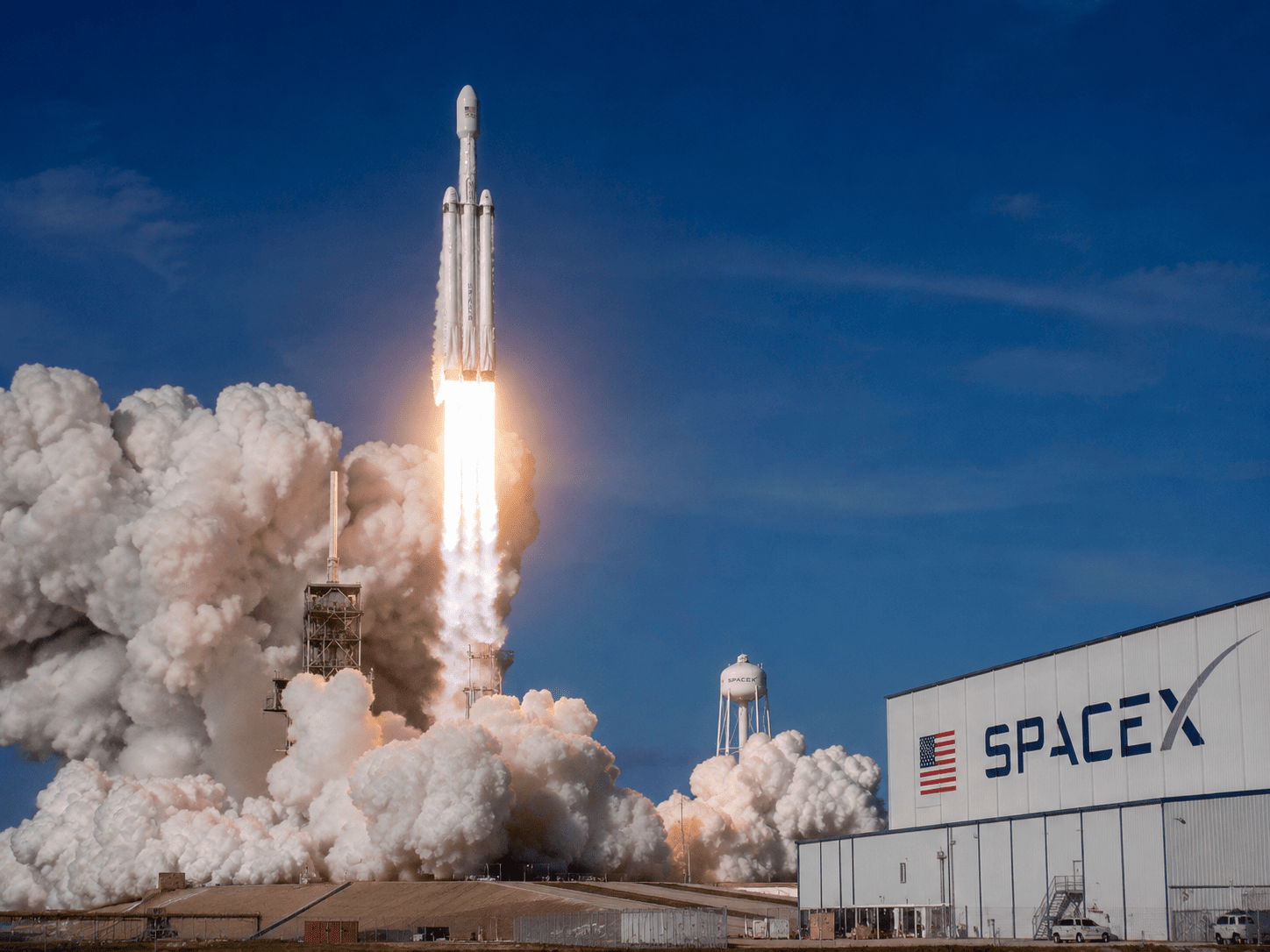
The scale of the deal would be unprecedented. Tesla currently boasts a market capitalization exceeding $1.2 trillion, while SpaceX is valued at over $1.4 trillion. Together, they would form a conglomerate worth roughly $2.6 trillion, making it the largest merger in corporate history.
Financial Snapshot
Yahoo Finance data projects Tesla's revenue at $105 billion this year, rising to $120 billion next year. SpaceX, meanwhile, is expected to generate over $39 billion in 2025 and $73 billion in 2026. However, SpaceX's profitability is under pressure—the company reported a nearly $5 billion loss due to heavy investments in artificial intelligence infrastructure.
Musk has been consolidating his ventures for years. He merged X with xAI last year, creating a social media and AI powerhouse. That entity was subsequently folded into SpaceX, giving the space company a foothold in social media and AI. A Tesla merger would extend this reach into robotics, vehicle manufacturing, and data centers.
Conglomerate Discount Risk
The proposed merger would create a sprawling enterprise spanning multiple industries: robotics, AI, electric vehicles, space exploration, data centers, and social media. Historically, conglomerates trade at a discount because investors struggle to value disparate businesses under one roof. The market has increasingly favored focused companies, as seen in recent spin-offs.
General Electric is a prime example. Before Larry Culp took over as CEO in 2018, GE was a diversified conglomerate with its energy division dragging down overall performance. Culp split the company into three separate entities—GE Aerospace, GE Vernova, and GE Healthcare. Today, those companies are collectively valued at over $660 billion, compared to less than $150 billion for the combined entity before the breakup.
Similarly, Western Digital spun off its flash memory business as SanDisk, which now commands a higher market capitalization than its former parent. These cases illustrate the potential value that could be unlocked by separating businesses rather than merging them.
Strategic Rationale
Musk's argument for the merger centers on AI synergies. Tesla and SpaceX are already collaborating on Terafab, a semiconductor project in Texas. Combining resources could accelerate AI development and reduce costs. However, the near-term financial strain is evident—SpaceX's AI investments have pushed it into the red, and Tesla would likely absorb those losses initially.
Investors have shown mixed reactions to Musk's recent moves. Tesla's AI ambitions have been a double-edged sword, with the stock down 30% in 2026 despite a $600 price target from some analysts. Meanwhile, Morgan Stanley has warned that SpaceX could drop to $100 after its lock-up period expires, suggesting zero value for its AI initiatives.
The merger would also face scrutiny from antitrust regulators, given Musk's already vast influence across multiple sectors. HSBC has noted that the "Musk premium" is already fully priced into SpaceX stock, which could limit upside for Tesla shareholders.
Market Reaction
Despite the enthusiasm on Thursday, some analysts remain skeptical. The broader tech rally may have contributed to Tesla's gains as much as the merger news. The deal is far from certain, and any regulatory hurdles could derail it.
For now, investors are left weighing the potential synergies against the historical underperformance of conglomerates. The outcome will depend on whether Musk can convince shareholders that this combination is different—and whether he can navigate the complex political and regulatory landscape.
This article is for informational purposes only and does not constitute financial advice.