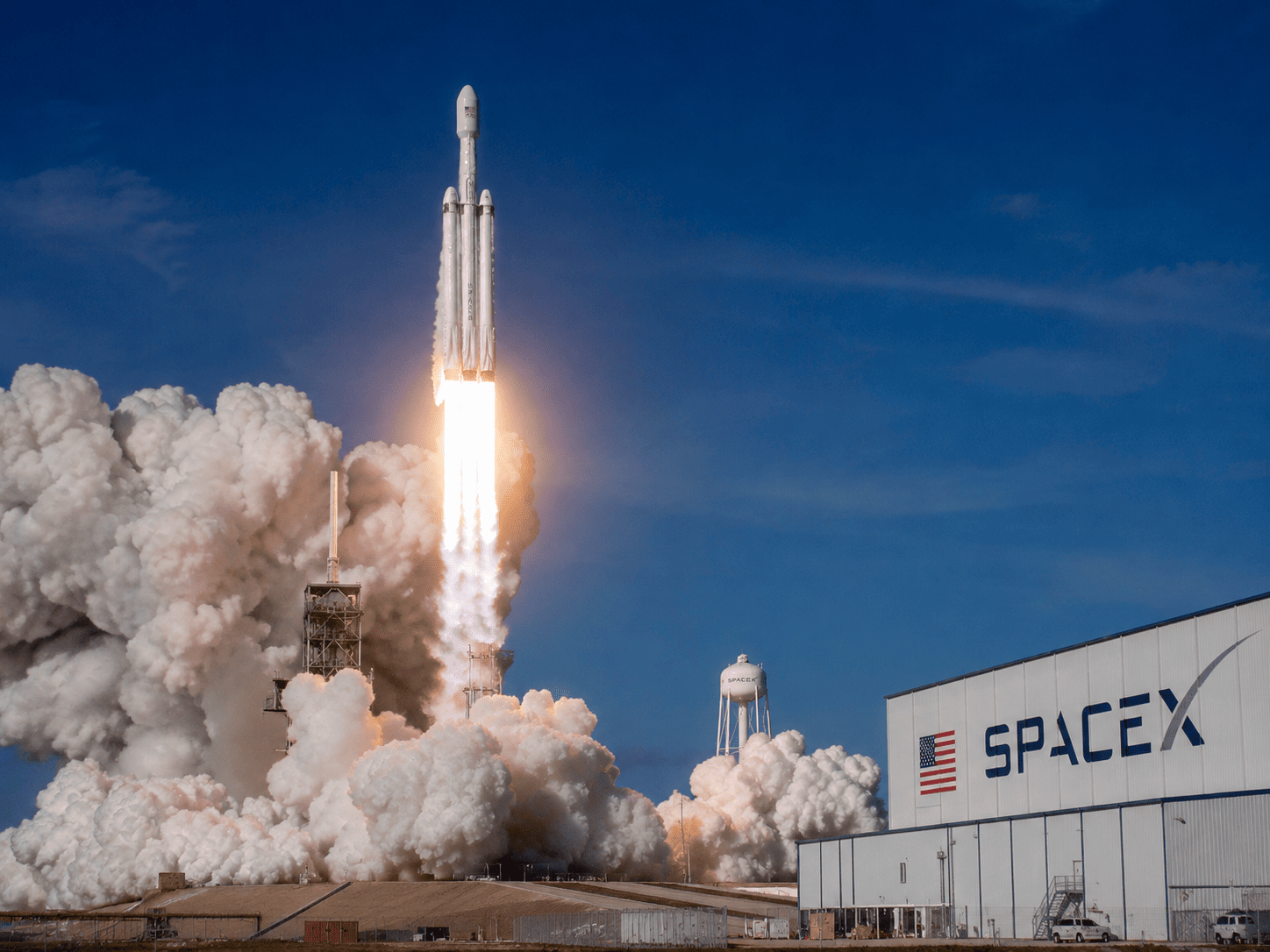
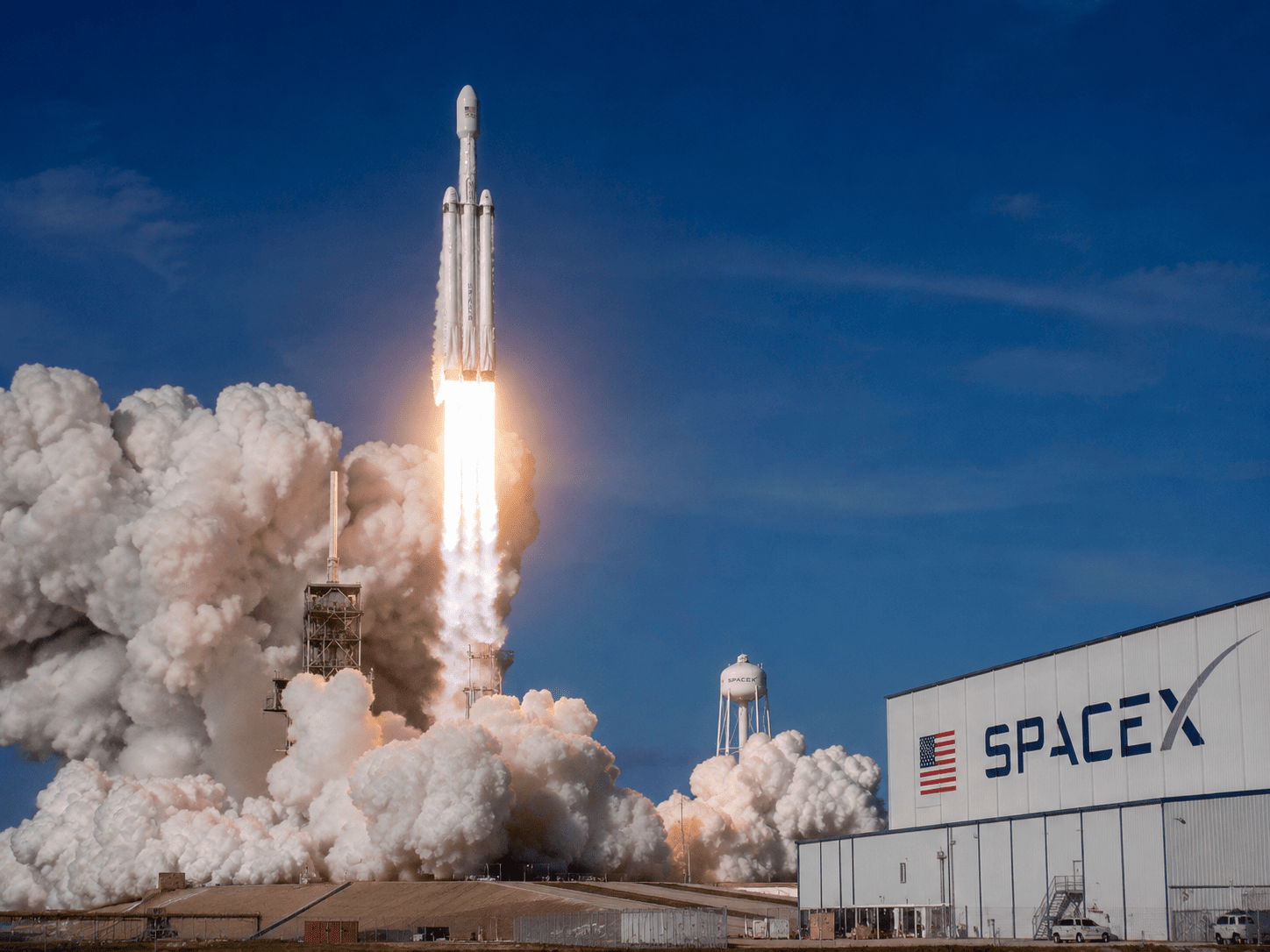
SpaceX (SPCX) faces a critical test in early August when its first lock-up period expires, releasing nearly one billion shares into the market. Morgan Stanley analyst Adam Jonas warns that if the stock falls to $100, investors would effectively be assigning zero or negative value to the company's artificial intelligence operations.
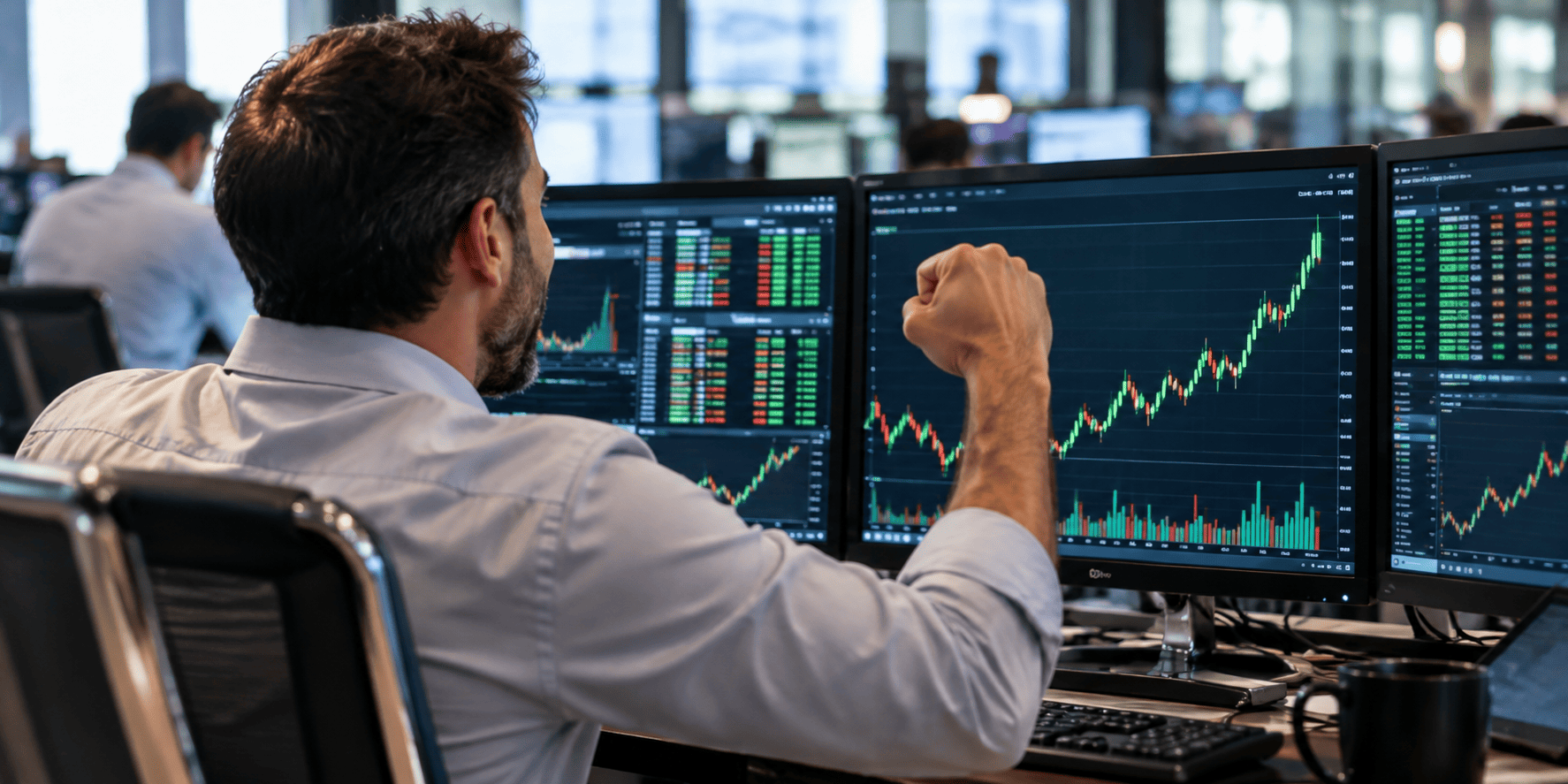
The stock has had a turbulent start since its $86 billion IPO in June. After surging nearly 50% in its first three trading days, shares have retreated sharply, hitting a low of $110.85 last week—about 18% below the IPO price—before closing Friday at $115.07. The upcoming lock-up expiry could add further selling pressure as early investors and insiders gain the ability to sell their holdings.
Lock-Up Expiry Looms Large
Lock-up agreements prevent company insiders and pre-IPO investors from selling shares immediately after listing. When these restrictions lift, a flood of new supply can weigh on prices. In SpaceX's case, nearly 629 million shares were sold during the June IPO, but almost one billion additional shares become eligible for sale after the first lock-up expires in early August. Over the next year, more than 6.4 billion shares could eventually enter the market.
While not all eligible investors will sell, market participants expect at least some increase in supply that could pressure the stock further. This comes as SpaceX shares have already been under pressure from Starship delays and short sellers.
Morgan Stanley's Bearish Scenario
Jonas noted that some investors expect the stock to fall to $100 after the lock-up expiry. At that level, he argues, the market would be assigning little or no value to SpaceX's AI business, which includes the Grok chatbot and Cursor coding assistant. "Most investors we speak with significantly discount Grok & Cursor," Jonas wrote. "Many ascribe zero or even negative value for AI given the high capex requirements relative to Space & Connectivity, largely uncertain economics, and the high degree of management time devoted to the business."
Jonas has a $300 price target on SpaceX, with more than half of that valuation attributed to AI operations. He believes the recent weakness has created an attractive entry point, stating, "We believe the current disconnect between increasingly bearish investor sentiment and largely unchanged fundamentals creates an attractive entry point in SpaceX shares."
SpaceX's AI Ambitions
SpaceX's AI division operates two Colossus data centers, which together form the world's largest AI training cluster. The company plans to eventually offer AI cloud computing services from space-based data centers, leveraging its reusable rocket technology, satellite network, and AI capabilities. It argues that abundant solar energy in orbit and naturally colder temperatures could overcome power consumption and cooling constraints faced by terrestrial facilities.
In its SEC filing ahead of the IPO, SpaceX stated, "We believe we are the only company with a commercially viable path to building orbital AI compute at scale." The company estimates its total addressable market at $28.5 trillion, with AI products and services accounting for $26.5 trillion of that opportunity. This ambitious vision has drawn comparisons to the AI boom reshaping Wall Street's valuation playbook.
Wall Street Remains Bullish
Despite the recent selloff and lock-up concerns, Wall Street remains overwhelmingly positive on SpaceX's long-term prospects. According to Bloomberg data, nearly 80% of analysts covering the company recommend buying the shares. The average price target stands at around $232, implying the stock could more than double from current levels.
Goldman Sachs, Bank of America, Citigroup, and JPMorgan Chase—all of which worked alongside Morgan Stanley on SpaceX's IPO—have maintained buy-equivalent ratings. Among the 33 analysts tracked by Bloomberg, Jonas remains one of the most optimistic, with his $300 target ranking as the third highest on Wall Street.
The broader market context includes investor caution toward companies with heavy AI spending. Technology firms have committed hundreds of billions to AI infrastructure, raising concerns about rising capital expenditure and delayed returns. These worries are amplified by a fragile macroeconomic backdrop and heightened geopolitical tensions, which have lifted oil prices and dampened risk appetite. However, as HSBC has noted, the "Musk premium" may already be fully priced into SpaceX stock, adding another layer of complexity for investors.
This article is for informational purposes only and does not constitute financial advice.