Tesla (TSLA) shares continued their downward trajectory on Wednesday, falling 1.5% to $390.91 in early trading, as renewed geopolitical tensions in the Middle East dampened broader market sentiment and pushed oil prices higher. The decline follows a roughly 3% drop on Tuesday, leaving the stock under pressure despite positive analyst commentary on the company's autonomous driving progress.
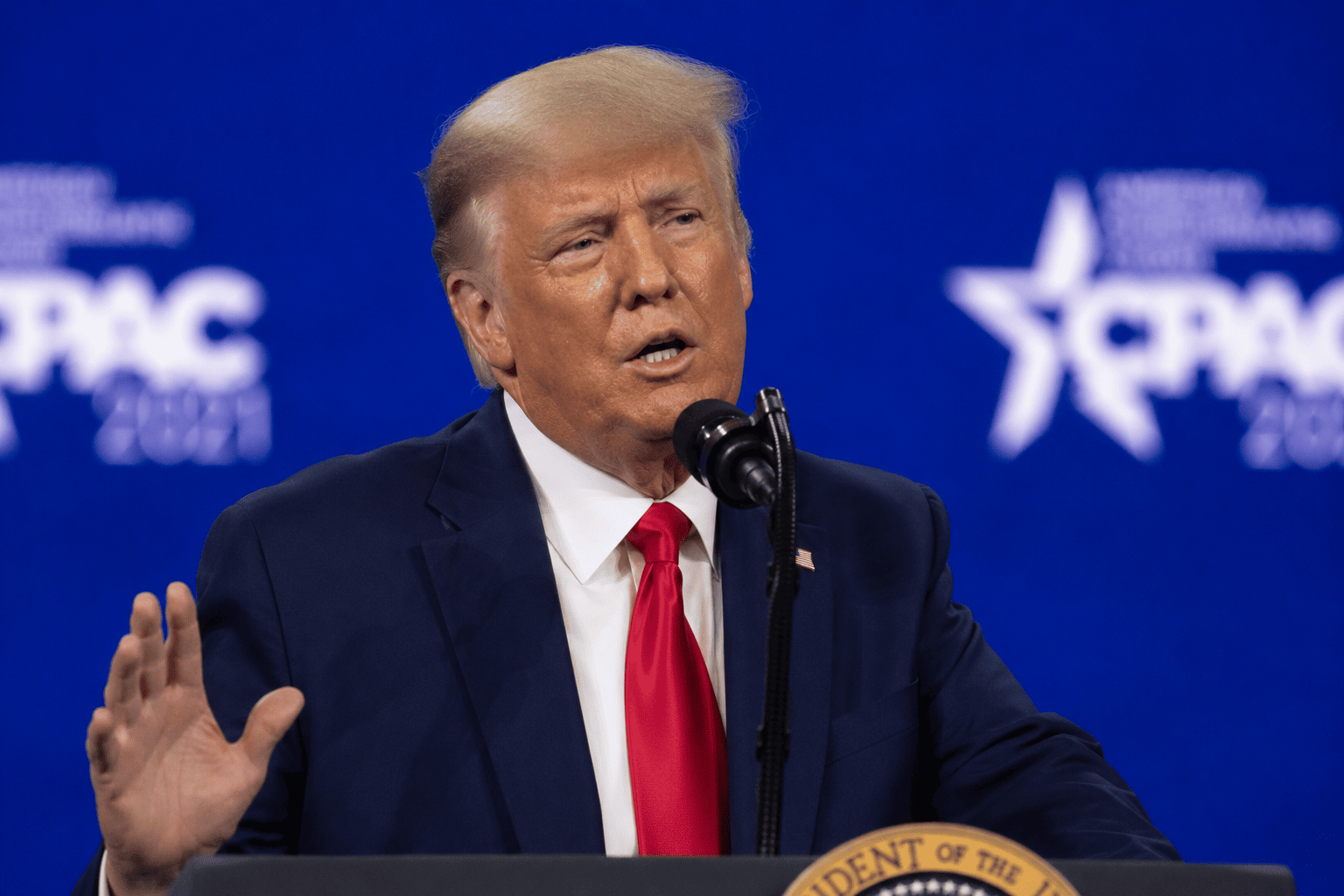
The broader equity market weakened after President Donald Trump expressed frustration with stalled nuclear negotiations with Iran, warning that Tehran would face consequences for delaying a deal. The Dow Jones Industrial Average fell 251 points, or 0.5%, while the S&P 500 and Nasdaq Composite traded near flat. West Texas Intermediate crude futures rose more than 1% to around $89 per barrel, adding to concerns about inflationary pressures and potential Federal Reserve rate hikes.
Against this backdrop, Tesla's recent slide reflects a market more focused on macro risks than company-specific milestones. However, Piper Sandler analyst Alexander Potter reiterated an Overweight rating on the stock, arguing that Tesla has effectively achieved Level 4 autonomy in most driving conditions—a claim that stands in contrast to lingering skepticism among investors and industry observers.
In a research note, Potter outlined several factors supporting his view. He pointed to Tesla's decision to offer insurance discounts tied to Full Self-Driving (FSD)-enabled policies, which he interprets as a signal of the company's confidence in the technology's safety. Additionally, Tesla has ramped production of its purpose-built Cybercab robotaxi—which lacks a steering wheel and pedals—with hundreds of units now being built weekly. Piper Sandler estimates the production line required an investment of several hundred million dollars, if not more than $1 billion, suggesting a strong commitment to the software's readiness.
Potter also highlighted Tesla's first-ever disclosure of FSD subscription figures during the first quarter of 2026, a move he believes indicates the technology is ready for broader adoption beyond early adopters. The company reported growing subscription uptake and plans to launch robotaxi services in seven additional cities by the first half of 2026. Recent versions of FSD are reportedly capable of autonomous operation, particularly under favorable weather conditions, and Tesla is seeking permits for a 35,000-square-foot facility in Irving, Texas, with 212 parking spaces and 16 Supercharger stalls to support robotaxi operations.
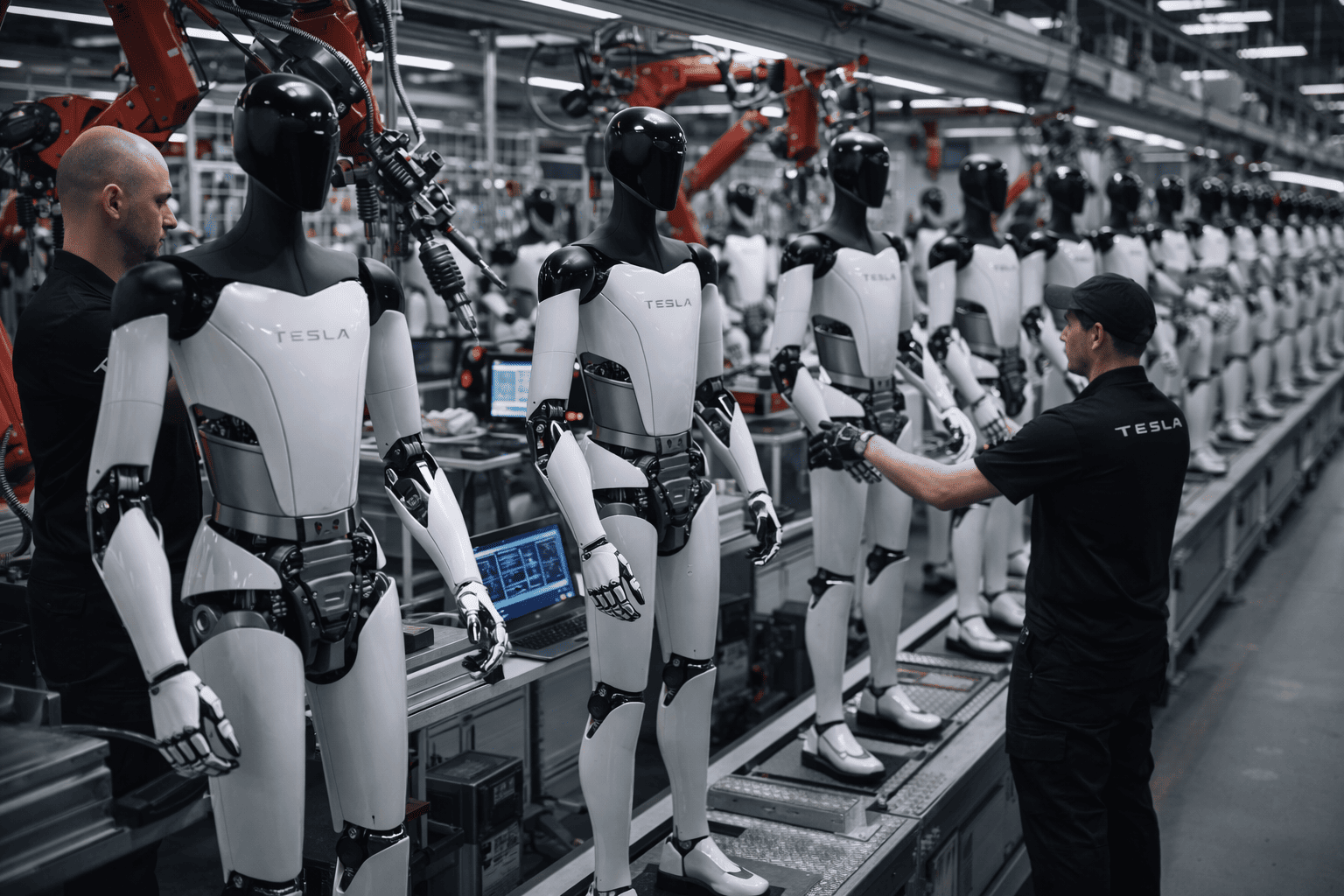
While Piper Sandler's bullish stance provides a counterpoint to the stock's recent weakness, investor attention remains squarely on Tesla's broader AI strategy. The company's long-term valuation increasingly hinges on progress in Full Self-Driving, robotaxi deployments, and the Optimus humanoid robot program, rather than near-term vehicle delivery numbers. However, for now, geopolitical developments and oil price volatility are exerting more influence on Tesla's share price than company-specific advancements.
For context, Tesla's recent decline comes amid a broader pullback in growth stocks, with Tesla Stock Nears Key Support as Xpeng Targets Model Y Ahead of Q2 Earnings and Tesla Drops 3% as Geopolitical Jitters, AI Milestone Wait Weigh on Stock. Meanwhile, rising oil prices have also weighed on other sectors, as seen in Gold Slips Below $4,040 as Oil Rally Revives Fed Rate Hike Fears.
This article is for informational purposes only and does not constitute financial advice.