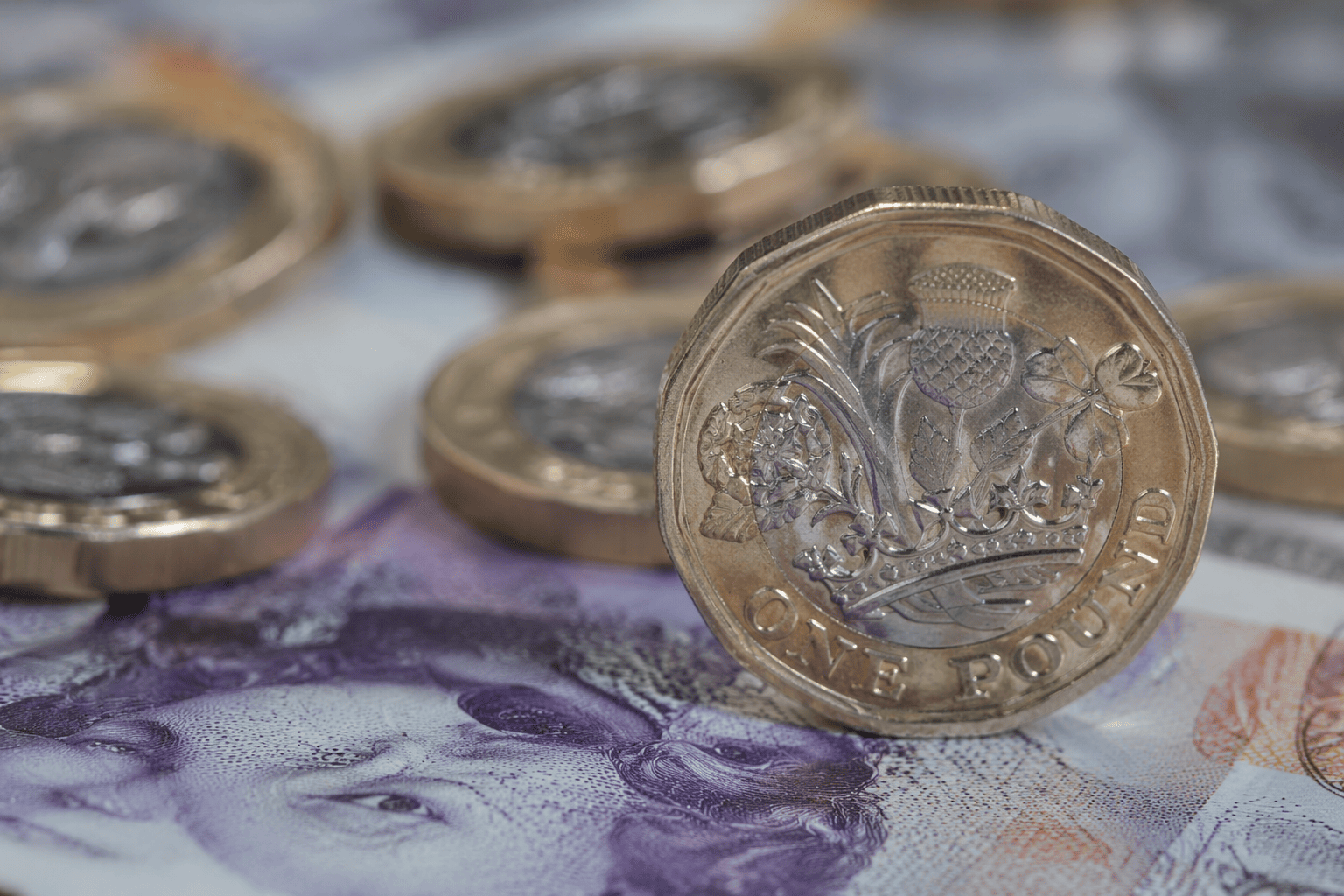
The British pound edged higher on Thursday, buoyed by stronger-than-expected UK economic data and growing optimism over a potential resolution to the US-Iran conflict. Sterling last traded at $1.3575, up 0.1%, while the euro slipped 0.1% to 86.94 pence.
UK GDP Surprises to the Upside
Data from the UK Office for National Statistics showed gross domestic product expanded 0.5% month-on-month in February, the strongest reading since January 2024 and well above the 0.2% forecast by economists. The ONS noted broad-based growth, with the services sector contributing significantly and car production also rising.
The upbeat data provided short-term support for the currency, but analysts remain cautious about the sustainability of the momentum. Rising energy costs linked to geopolitical tensions are expected to weigh on economic activity in the coming months.
Economists Warn of Potential Slowdown
Ruth Gregory, deputy chief UK economist at Capital Economics, described the recent strength as potentially short-lived. James Smith, UK economist at ING, expressed skepticism about the data, pointing to concerns over the ONS's seasonal adjustment process, which may be overstating growth early in the year.
These warnings come as investors also monitor broader economic trends. For context, the ECB Survey Shows Eurozone Firms Expect Slower Wage, Price Growth Ahead, highlighting similar caution across the region.
Iran Peace Hopes Support Sterling
Sterling also found support from diplomatic developments surrounding the US-Iran conflict. A key Pakistani mediator was reported to be in Tehran, while the Trump administration indicated a potential agreement could be within reach. Such a deal could reopen the Strait of Hormuz, a critical route for global energy supplies.
The conflict had previously weighed heavily on the pound. In March, sterling dropped 1.9% as the Strait was closed, disrupting the flow of around 20% of the world's oil and liquefied natural gas. That disruption weakened the UK's economic outlook and drove investors toward the safe-haven US dollar.
Sterling Recovery in April
The currency has since rebounded, gaining approximately 2.6% in April as markets increasingly priced in the possibility of a peace deal. Sterling is now trading above levels seen before the conflict began.
Expectations around UK monetary policy have also supported the pound. Investors anticipate the Bank of England could raise interest rates once or twice this year, improving the appeal of UK assets. However, BoE Governor Andrew Bailey said the central bank was "not going to rush to judgements" on rate rises, in an interview with the BBC published Thursday.
Meanwhile, broader market dynamics continue to evolve. For instance, Gold Reclaims $4,120 as Strong Jobless Claims Data Counter Oil-Driven Inflation Fears, reflecting shifting investor sentiment amid geopolitical uncertainty.
Outlook Remains Uncertain
While strong economic data and geopolitical optimism have lifted sterling, analysts remain wary about the sustainability of growth amid ongoing global uncertainties. Rising energy costs, potential interest rate decisions, and the trajectory of the Iran conflict will be key factors to watch in the coming weeks.
Investors seeking diversification beyond traditional assets may also consider opportunities in other sectors, as highlighted in Diversify Beyond AI: 3 Stocks with Strong Fundamentals for 2026.
This article is for informational purposes only and does not constitute financial advice.