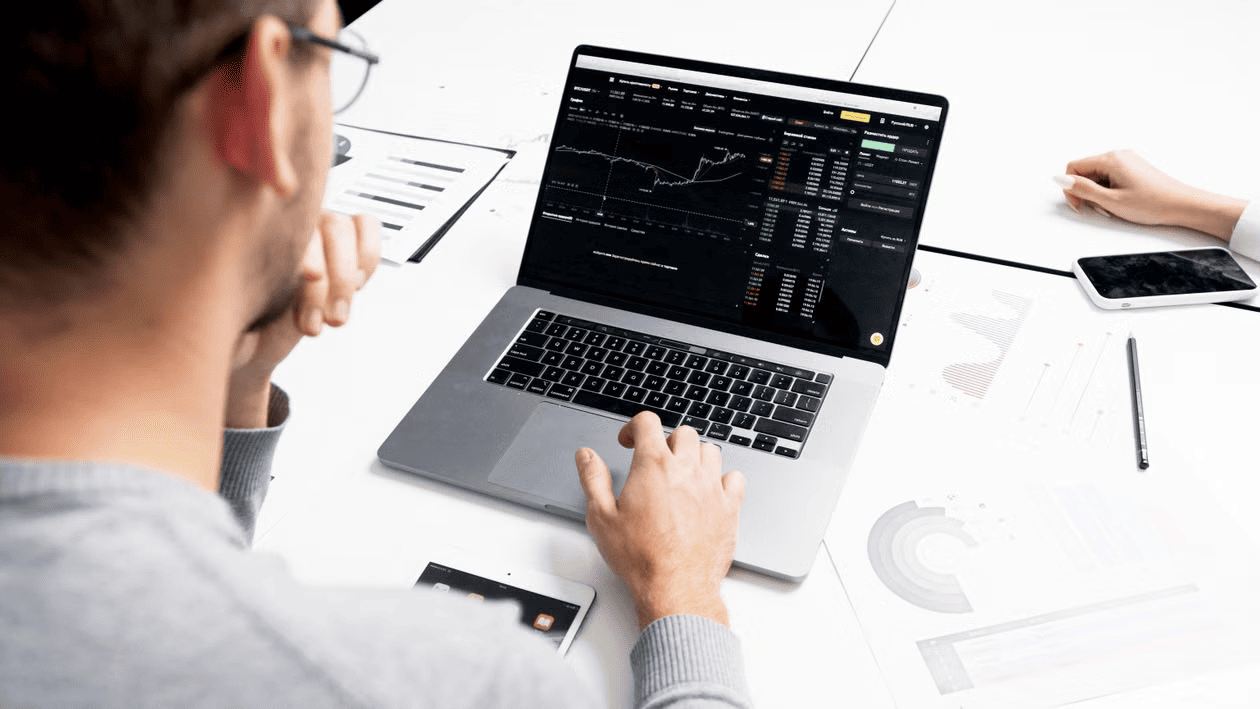
Forex trading automation has evolved significantly, now supporting market monitoring, order execution, record-keeping, and predefined risk controls. For traders, this means delegating more decisions to software, but it does not eliminate market or execution risk. The key is to establish clear rules, limit permissions, test realistically, and have a reliable stop mechanism.
In July 2026, research commissioned by the UK Financial Conduct Authority revealed that one in five UK adults—about 11 million people—were likely to use AI capable of acting autonomously within preset goals. While the study covered retail finance broadly, its relevance to forex is the shift from organizing information to allowing software to act. This makes the boundary between assistance and delegated control more critical for traders.
A tool that identifies a price condition is fundamentally different from one that can size a position, open it, and manage the exit without further approval. As automation expands, understanding this distinction is essential.
Beyond execution: What modern forex bots do
Early retail tools focused on indicators, alerts, and order placement. Current systems may combine market scanning, position calculations, execution, record-keeping, and automatic shutdown rules. A forex trading bot converts defined conditions into actions, but that definition covers how a task is performed, not whether the trading idea is reliable.
Common automation models include:
- Forex EAs or robots that follow installed rules, often through MetaTrader.
- Signal automation that converts an external trade idea into an order.
- Copy trading that follows another account’s transactions and risk behavior.
- AI-assisted tools that may summarize data or adjust actions within defined boundaries.
The copy trading vs. bot decision is partly a choice between relying on another person and relying on programmed logic. Automation is easier to evaluate where a task can be stated precisely and checked afterward. It can monitor several pairs, calculate size, place predefined orders, update stops, and create detailed logs without becoming tired or distracted. Software does not chase a move through fear of missing out or increase exposure after a win.
Many traders use a mixed workflow, but the advantage depends on the quality of the original instruction. “Buy when the trend looks strong” is not suitable for automation until trend, timing, invalidation, and risk are measurable.
What automation cannot decide safely
A system processes the inputs it receives. It may not recognize that an unscheduled political statement, unusual spread, or sudden loss of liquidity has made its normal assumptions unreliable. Human judgment can respond to context, although it is not automatically superior. A trader may widen a stop, ignore a loss limit, or invent an explanation after seeing the outcome.
The practical aim is not to remove the human or the machine, but to assign each decision to the side best able to handle it while keeping the process reviewable. Manual overrides should have written triggers; otherwise, a system that appears rules-based can become discretionary precisely when losses create the greatest pressure.
Backtests: Scenarios, not certificates
Forex bot backtesting applies rules to historical prices. It can reveal weaknesses, but it can also create false confidence when settings are repeatedly adjusted until they fit past noise. Testing may overlook variable spreads, commissions, financing, latency, and rejected orders. Slippage and execution matter particularly around economic releases, when a small difference between the requested and filled price can alter a short-term result.
A credible test should answer four questions:
- Was part of the data kept unseen while the system was developed?
- Does the sample include different volatility and interest-rate conditions?
- Are drawdowns, open losses, and losing periods shown clearly?
- Do demo or live trades resemble the backtest in timing, cost, and exposure?
A smooth historical curve cannot show how the next market regime will behave. It should be treated as one piece of evidence, not a forecast.
Provider and operational checks in 2026
Strategy performance is only one part of automated forex trading. Broker compatibility, software permissions, connectivity, and the provider’s business model can determine whether the system behaves as expected. Before installation, users should know whether the tool can only trade or can also access withdrawals. They should also check subscription terms, remote updates, hosting costs, commissions, spreads, and any broker-referral payments.
Commercial forex robots and EAs can use different strategy types, platforms, and drawdown controls. Comparisons can organize these differences, but advertised rankings or returns cannot replace testing under the user’s own broker conditions. Bot risk management should also cover technical failure. Written controls are needed for disconnections, delayed data, duplicate orders, abnormal slippage, daily losses, and maximum equity drawdown.
A controlled path from testing to live use
A staged process cannot prove that a bot will be profitable, but it can expose faults before the financial consequences become larger. Start with backtesting using realistic costs, then run unchanged settings on unseen data. Test order handling, logs, and restarts in a demo account, and compare minimum-size live execution with the simulation. Stop if the behavior falls outside the written rules.
Moving through these stages slowly is not an argument against algorithmic forex trading. It reflects the fact that code, data, broker infrastructure, and market conditions must work together. As autonomous finance expands, traders who understand these dynamics will be better positioned to harness automation while managing its risks. For more on how automation is reshaping trading, see multi-asset platform trends and AI agents in trading.
This article is for informational purposes only and does not constitute financial advice.