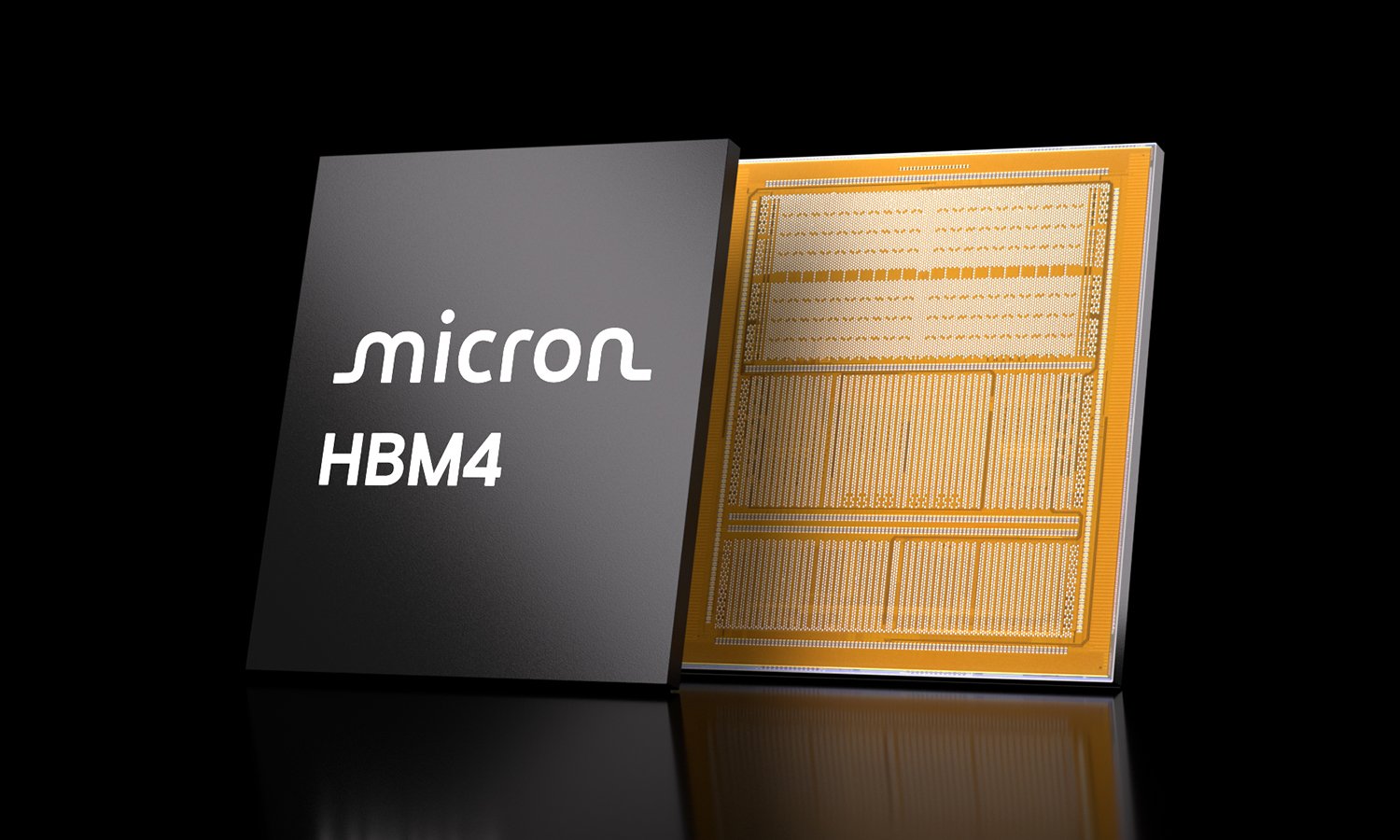
Micron Technology (NASDAQ: MU) and SanDisk (NASDAQ: SNDK) shares rebounded in premarket trading on Friday, with Micron up 1.9% and SanDisk advancing 3% as Treasury yields pulled back ahead of the August jobs report. The move follows a week of pressure on semiconductor stocks, but the underlying memory market remains robust.
The easing in yields provided macro relief, but the stronger driver is the persistent strength in DRAM and NAND pricing. According to Barron's, global DRAM revenue surged 57% quarter-over-quarter in Q2, while NAND revenue jumped 70%. Micron also increased its DRAM market share to 24% and NAND share to 15%.

Mizuho analyst Vijay Rakesh reiterated an Outperform rating on Micron, calling memory a "key bottleneck" across the semiconductor supply chain, as reported by The Fly. Elevated aggregate DRAM demand continues to support the thesis.
HBM demand outlook remains strong
One concern has been whether future AI accelerators might require less high-bandwidth memory (HBM) per chip. UBS analyst Timothy Arcuri argues that such a conclusion may be too simplistic. He notes that Nvidia's upcoming Rubin Ultra configurations could allow it to ship more accelerators, meaning total HBM consumption could still rise even if each chip carries less memory.
UBS raised its HBM average selling price growth forecast to about 79% year-over-year from 67%, citing stronger NAND conditions as server and storage SSD demand improves. This is particularly relevant for Micron, whose AI opportunity increasingly depends on memory consumed across entire data-center systems, not just the HBM attached to each GPU.
Nvidia's recent disclosure of $279 billion in supply and capacity commitments, primarily tied to memory and manufacturing, underscores the importance of component availability.
SanDisk benefits from NAND pricing power
SanDisk continues to attract bullish calls from Wall Street. Bernstein analyst Mark Newman maintained an Outperform rating and a $3,000 price target, raised from $1,700 in late June. Newman's optimism centers on SanDisk's new long-term memory supply agreements, which include stronger pricing protections and upfront customer commitments that could reduce earnings downside when the NAND cycle eventually weakens.
Bernstein also raised its fiscal 2027 earnings estimates on stronger NAND average selling prices. AI data centers require expanding storage capacity, and constrained supply gives NAND producers pricing power.
However, risks remain. China's YMTC has increased its global NAND share to 14% in Q2 from 9% a year earlier, while SanDisk's share slipped to 11% from 13%. CXMT has also gained DRAM share, as noted in a recent analysis of CXMT's DRAM share surge. These competitive pressures could eventually loosen the market.
For investors tracking the memory sector, the current environment reflects a delicate balance between strong AI-driven demand and potential supply additions. As Micron's AI boom faces a 2029 cliff, the sustainability of these trends remains a key question.
Overall, the memory market's resilience is a positive sign for Micron and SanDisk, but investors should remain mindful of competitive dynamics and cyclical risks.
This article is for informational purposes only and does not constitute financial advice.