SpaceX (SPCX) shares declined roughly 3% in early trading Tuesday, extending Monday's 2% slide, as the market weighs the impact of upcoming share unlocks and a potentially transformative Starship test. The stock traded near $144, close to its $150 debut price, after recovering from an all-time low of $104.83 on August 3.
Lockup schedule creates persistent supply overhang
Unlike a traditional IPO, SpaceX did not impose a single 180-day lockup expiration. Instead, its prospectus staggered insider selling eligibility across roughly a dozen dates, limiting the amount of new supply hitting the market at any one time. However, this structure has not eliminated selling pressure.

During the most recent major release, up to 319 million Class A shares became tradable, representing approximately $49 billion at prevailing prices. An additional 59.1 million affiliate shares unlocked the following day. The next tranche, expected on September 24, will make around 320 million shares eligible for trading, with further releases scheduled for October 9 and October 24.
The largest unlock is anticipated two trading days after SpaceX reports third-quarter results, likely in late October or early November, when up to 1.3 billion shares—about 28% of the relevant share pool—could become sellable. December 8 marks the 180-day expiration, after which the remaining non-Musk insider float becomes eligible. By the end of 2026, roughly 4.9 billion shares are expected to have been unlocked, creating a persistent overhang for investors, particularly as early shareholders seek to capitalize on the stock's recovery from its August low.
Starship Flight 14: a potential catalyst
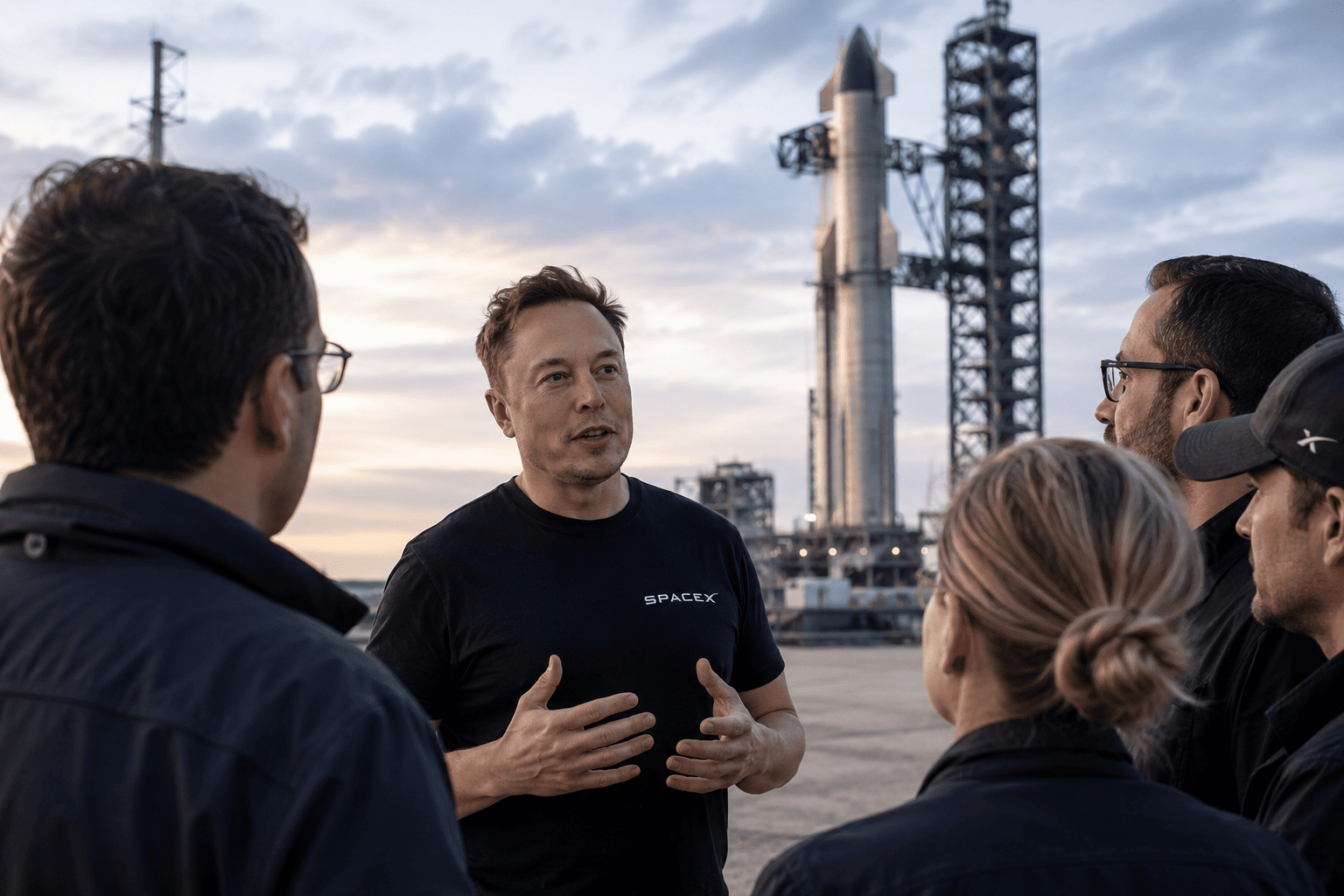
While the lockup schedule poses a supply-side risk, Starship remains one of SpaceX's most significant long-term catalysts. According to the FAA's Current Operations Plan Advisory, the 14th Starship test flight is scheduled for September 22 from Starbase, Texas, with September 23 as a backup date.
CFO Bret Johnsen said last week that Flight 14 will be the first revenue-generating Starship mission, carrying production-grade Version 3 Starlink satellites into orbit—a milestone he described as major. Elon Musk added on Monday that Flight 14 will be the final test before attempting to catch the Starship spacecraft with the launch tower. "We've got flight 14 coming up, of Starship, and this will be the last flight before we attempt to catch the ship," Musk said at the All-In Summit. "So if this flight goes well, then on flight 15 we will try to catch the ship."
Musk also indicated that SpaceX could attempt to refly both the Starship spacecraft and booster later this year or early next year. While the company has already demonstrated booster reuse, it has yet to successfully perform a tower catch of the Starship spacecraft or fly the ship again.
Starship's role in valuation
The upcoming tests are critical because a large portion of SpaceX's long-term growth potential hinges on turning Starship into a reusable, high-frequency launch system. Pivotal Research Group analyst Jeffrey Wlodarczak noted earlier this month that achieving full reusability is central to justifying SpaceX's roughly $2 trillion valuation. His $220 price target assumes Starship can achieve 20 to 50 flights per vehicle, low refurbishment costs, and rapid turnaround times.
"Our $220 target is a call on reuse of 20-50 flights per vehicle, cheap refurb, fast turnaround," Wlodarczak said. "If that is solved, the rest of the model can happen. If it is not, SPCX is a different and much smaller company."
The potential scale is substantial: Starship can carry more than 100 metric tons of payload, over four times the capacity of the Falcon 9. As investors navigate the near-term supply overhang, the outcome of Flight 14 and subsequent tests will likely play a pivotal role in shaping sentiment. For more on related developments, see our coverage of SpaceX's AI compute deal and the recent lockup-driven slide.
This article is for informational purposes only and does not constitute financial advice.

