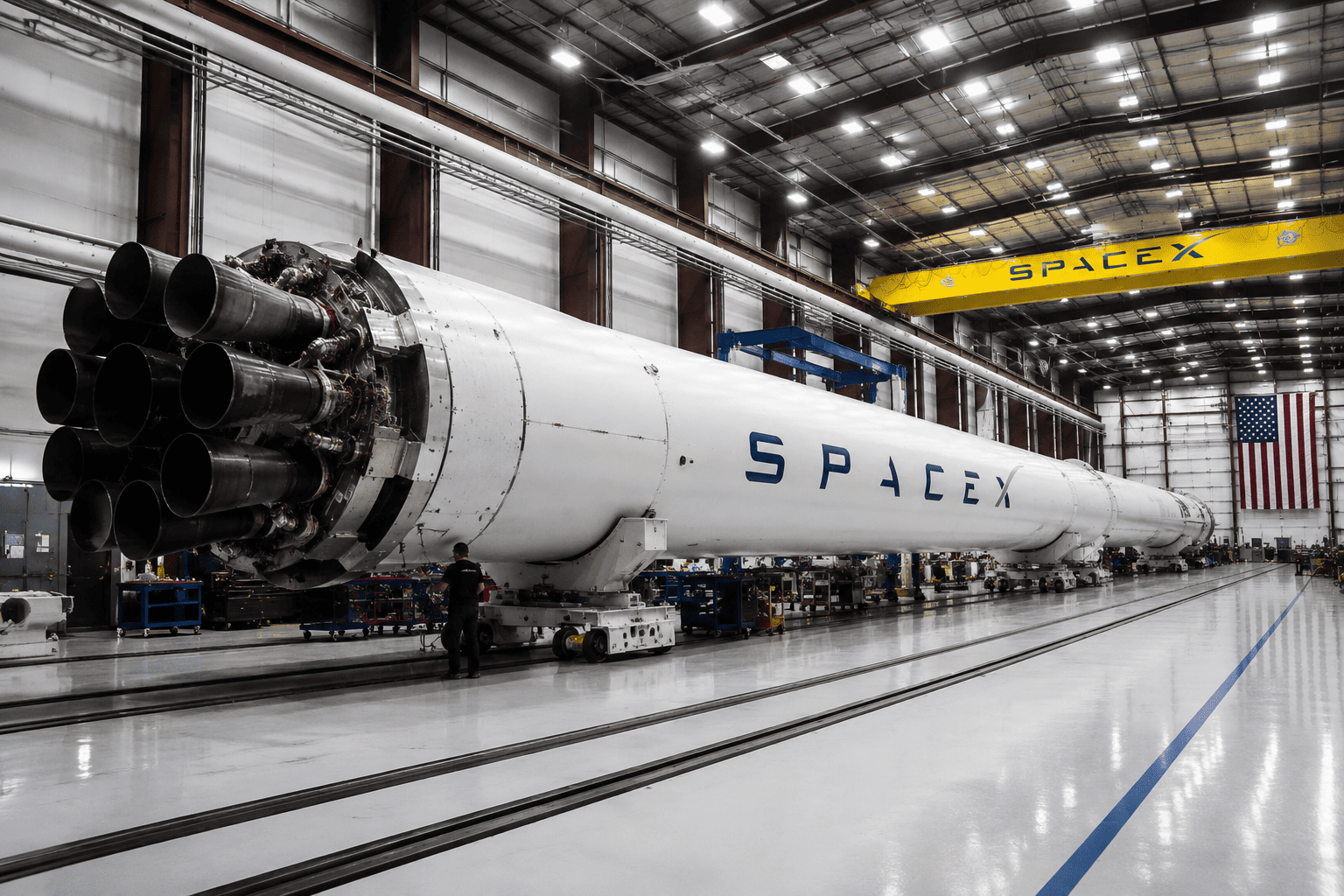
SpaceX (SPCX) shares slipped about 1% in Wednesday's session, extending a choppy stretch that has seen the stock close lower in six of the past nine trading days. Despite the recent pullback, Wall Street analysts remain firmly bullish, pointing to the company's ambitious Louisiana expansion as a potential catalyst for significant long-term growth.
Morgan Stanley sees launch capacity upside
Morgan Stanley analyst Adam Jonas reiterated an Overweight rating on SpaceX with a $300 price target, implying more than 70% upside from Tuesday's close. Jonas argued that investors are not fully appreciating the scale of SpaceX's plans for its planned $100 billion Starbase facility in Louisiana.
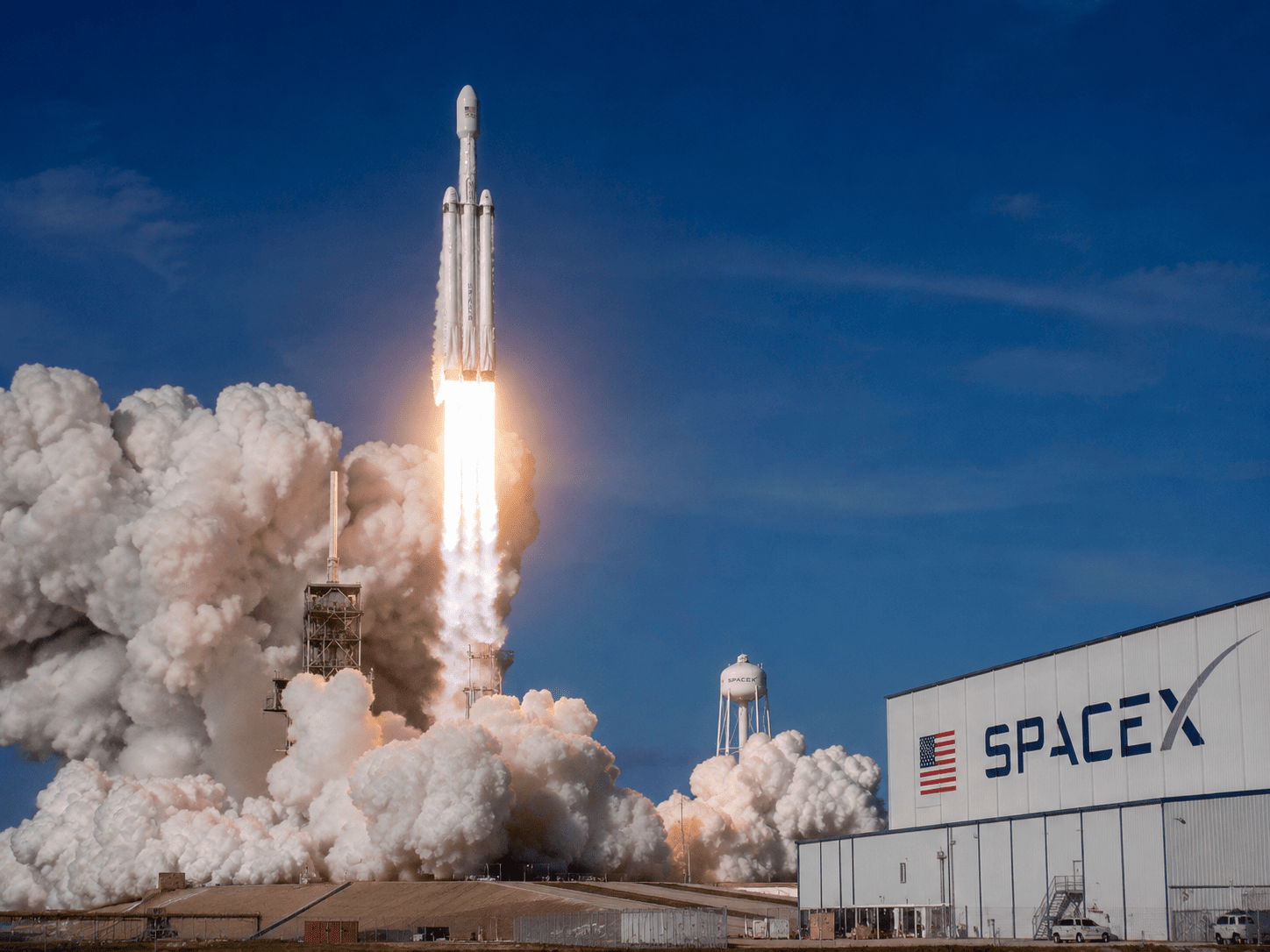
SpaceX said the facility in Vermilion Parish will support thousands of launches annually. Jonas noted that the construction of new launch pads means the stock may not be pricing in the potentially much higher launch cadence SpaceX could achieve beyond his current 2040 estimates.
SpaceX is planning to build 15 launch pads at the Louisiana site, according to Jonas. That compares with three pads the company currently has and another three it expects to have fully operational by the end of 2027. Jonas believes SpaceX would need only eight pads to reach his 2040 forecast.
"In our launch forecasts, we conservatively assume each pad can only do 2 launches per day, which means our 2040 forecast of ~5.8k Starship launches per year requires just 8 pads," Jonas wrote. The analyst added that SpaceX does not need a fully operational Louisiana facility to reach his 2040 projections, which assume the company generates $3.5 trillion in revenue.
Louisiana project targets infrastructure constraints
Wolfe Research also reiterated an Outperform rating and $175 price target on SpaceX, citing regulatory and infrastructure developments supporting the company's expansion in launch capacity. SpaceX has announced plans to build more than a dozen launch towers across 125,000 acres in Louisiana.
The project is designed as a self-sustaining spaceport with power generation, spaceship processing facilities, a deep-water port and an airport. Construction is expected to begin in 2027, with initial launches planned for 2029 as the facility comes online in phases. Musk has suggested the completed facility could eventually support approximately 30 launches per day.
Wolfe noted that SpaceX's current launch licenses are limited to 145 launches annually, while existing infrastructure can support roughly 25 launches per year as the company's Florida launch pads are expanded. The Louisiana project could therefore help address some of the regulatory and infrastructure constraints that stand between SpaceX and its ambitions for rapidly reusable Starship launches.
SpaceX's long-term bet
The planned expansion is significant because launch cadence is central to SpaceX's broader growth ambitions. More launch capacity could allow the company to deploy Starlink satellites faster while supporting Starship missions and other potential commercial and government launches.
For investors, the key question is whether the scale of the Louisiana buildout eventually translates into a launch cadence substantially above current expectations. That potential is one reason analysts remain bullish despite SpaceX stock's recent weakness. Jonas' $300 target suggests the market may not yet be fully valuing the company's potential launch capacity, while Wolfe sees the new infrastructure as helping remove some of the practical constraints on SpaceX's Starship ambitions.
Related coverage: JPMorgan's take on SpaceX's AI and Louisiana plans and capex surge clouds near-term outlook.
This article is for informational purposes only and does not constitute financial advice.