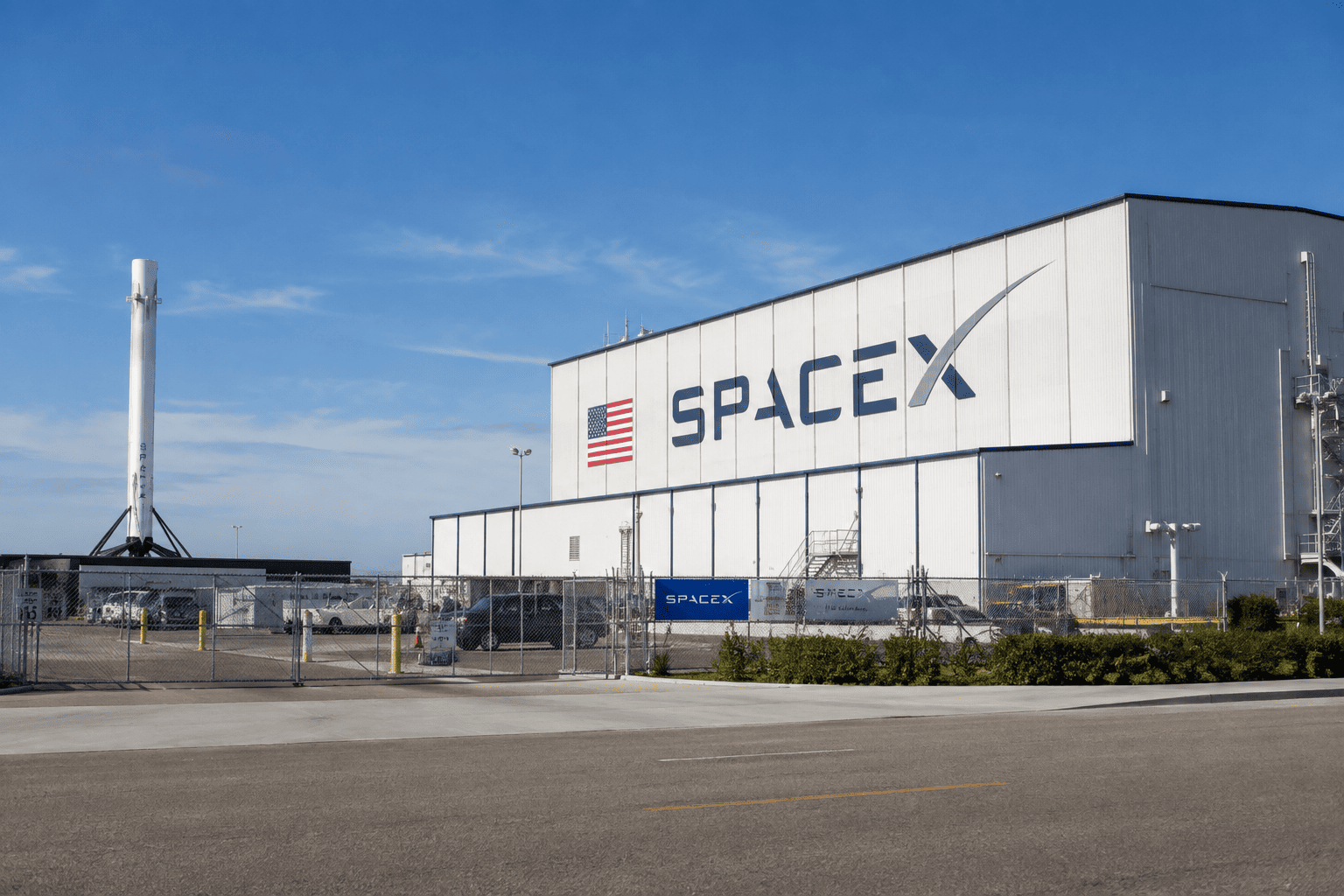
SpaceX shares have entered a consolidation phase, trading around $135 after a recent rebound stalled. The stock remains nearly 30% above its monthly low but well below the all-time high of $225. Investors are weighing robust operational momentum against escalating capital expenditures.
Segment performance shows strength
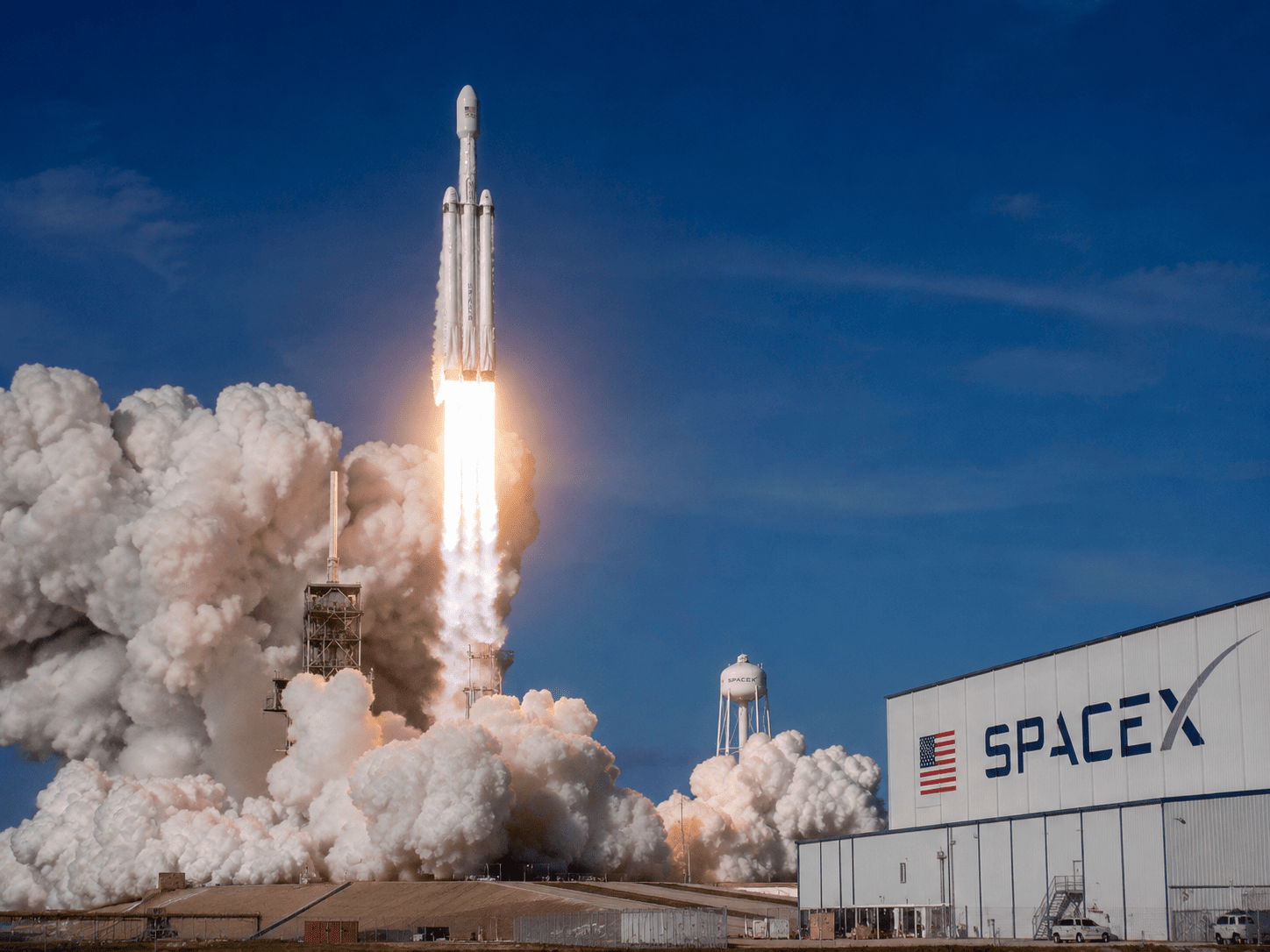
Breaking down SpaceX's businesses reveals a diversified growth engine. The satellite launch division, with the U.S. government as its largest client, generated over $962 million in revenue, up sharply from $619 million in the prior period. This outpaces competitors like Rocket Lab, which reported $234 million.
Starlink, the connectivity arm, saw revenue climb to $4.2 billion from $3.2 billion year-over-year, supported by a customer base that has surpassed 12 million. The service is increasingly viewed as a disruptive force in global telecommunications.
The AI segment has emerged as a standout, with revenue surging to $2.56 billion from $818 million a year earlier. This growth is driven by Grok, the company's AI chatbot, and a rapidly expanding data center business that has secured contracts worth over $2 billion in monthly revenue from clients like Google, Anthropic, and Reflection AI.
Cost pressures and financial position
Despite the strong top-line performance, SpaceX's cost structure is intensifying. Capital expenditures jumped to $18 billion in Q2, up from $10 billion in the same period last year, with total capex reaching $28.4 billion in the first half. Management plans to invest tens of billions more, primarily in AI infrastructure.
However, the company's balance sheet remains robust. SpaceX ended the quarter with over $100 billion in cash and marketable securities, including $93.5 billion in cash equivalents. Total liabilities stand at $65 billion, but debt is minimal, providing ample liquidity to fund growth.
Analysts are optimistic about the long-term trajectory. Goldman Sachs projects revenue could reach $474 billion, with near-term estimates of $44.6 billion this year and $105 billion next year. This optimism is echoed in the broader market, where similar patterns have played out. For instance, Meta Platforms' post-IPO slump eventually gave way to a trillion-dollar valuation.
Outlook: rebound potential
The recent pullback, driven by post-IPO momentum fading and lockup expirations, may present a buying opportunity for long-term investors. Historical precedents, such as Nvidia's AI financing strategy, suggest that high-growth tech names can recover strongly after initial volatility.
While the valuation remains elevated, the combination of a dominant launch business, expanding Starlink subscriber base, and AI-driven revenue growth could propel the stock to new highs. The key risk remains the pace of capex and whether it translates into sustainable profitability.
As the company continues to scale, investors will watch for signs of margin improvement and cash flow generation. If execution holds, a return to record levels is plausible, though near-term volatility is likely to persist.
This article is for informational purposes only and does not constitute financial advice.