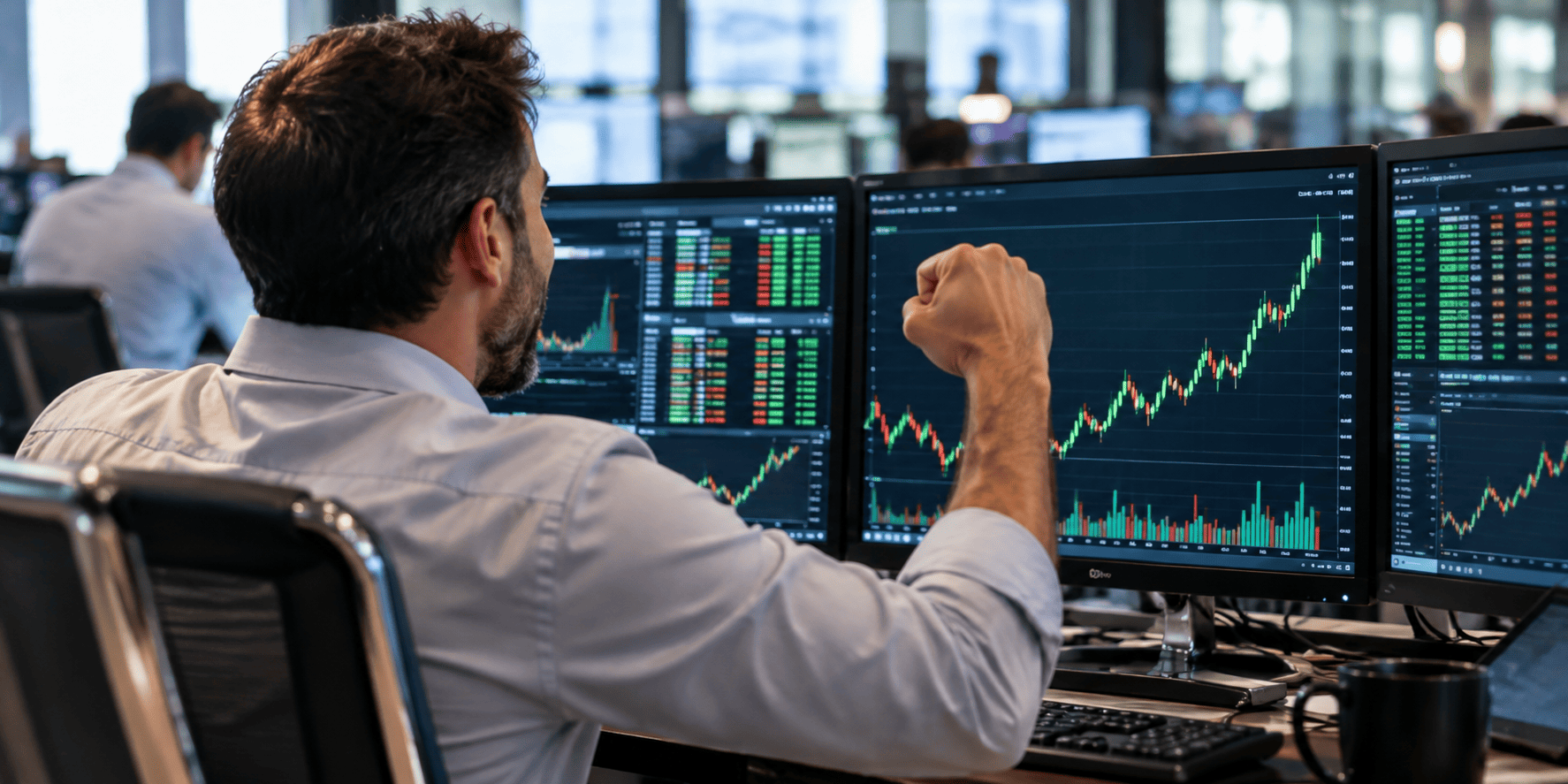
Less than a decade ago, Apple was the sole trillion-dollar company. Today, that club has expanded to over ten members, with AI infrastructure leaders like Nvidia, Broadcom, Micron, and Samsung joining the ranks. This dramatic shift underscores how artificial intelligence has fundamentally altered the criteria investors use to assess corporate value.
According to stock market analyst Wajeeh Khan, speaking on Invezz's Zero Sum podcast, the AI boom has redirected investor attention from software to the hardware that makes the technology possible. Following ChatGPT's launch in late 2022, the market's focus pivoted from consumer products to the companies controlling the physical infrastructure needed to build AI at scale. As Khan put it, "It wasn't who had the best product anymore. It was who had the picks and shovels."

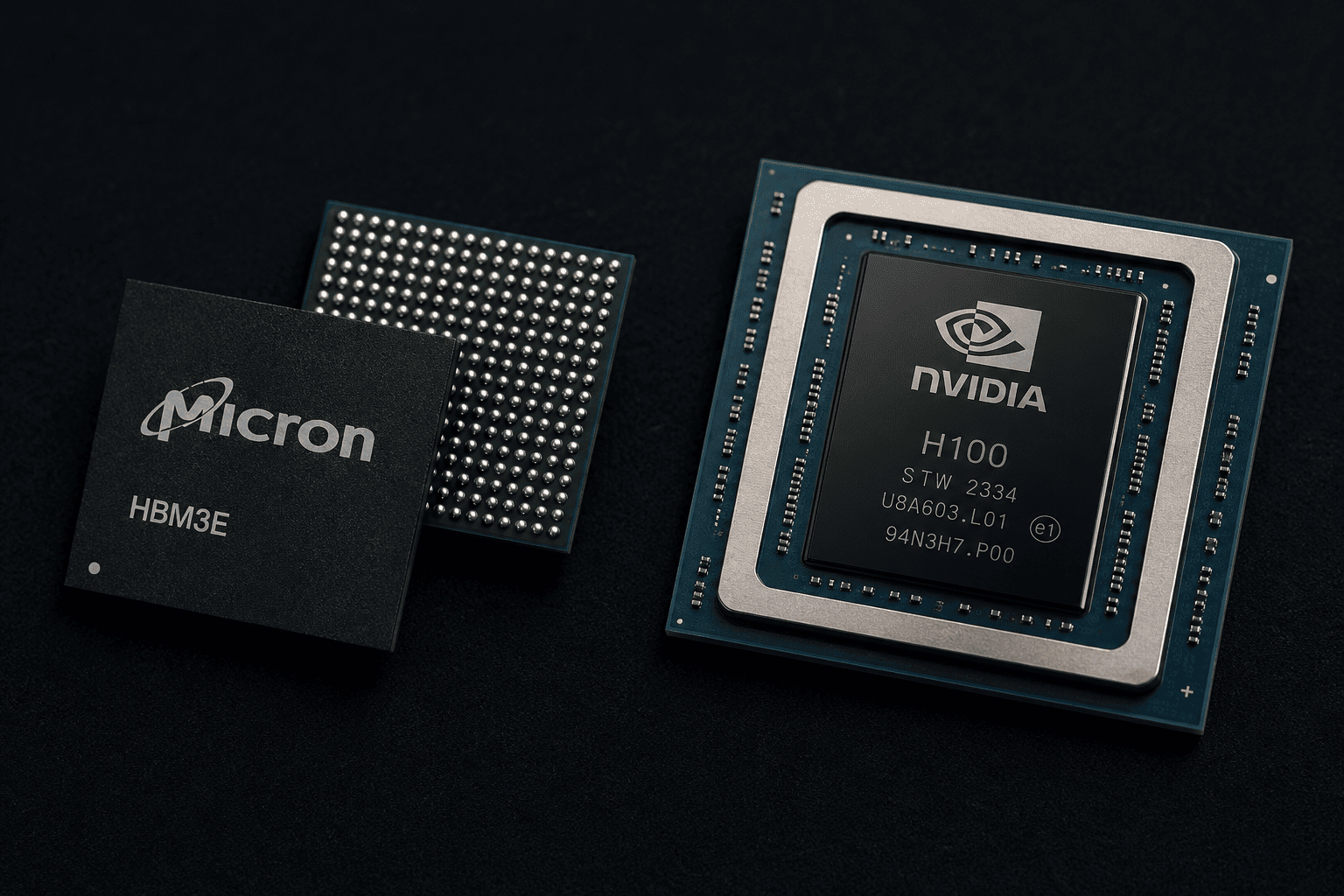
This change propelled chipmakers and semiconductor suppliers into the trillion-dollar club. Nvidia, Broadcom, Micron, and SK Hynix became some of Wall Street's biggest winners by supplying the processors, memory, and networking infrastructure underpinning the AI boom. Even legacy tech giants like Microsoft and Amazon successfully repositioned themselves around AI, while Apple and Alphabet saw their already massive businesses further accelerated by the technology.
The AI race has become an infrastructure race, with the world's largest technology companies collectively spending hundreds of billions of dollars on data centers, custom chips, and cloud infrastructure. However, Khan argues that the industry's biggest bottleneck has already shifted from buildings to power. Modern AI data centers consume electricity on the scale of small cities, forcing companies to explore nuclear power agreements, custom chip development, and strategic site selection.
Hyperscalers like Microsoft, Alphabet, and Amazon are increasingly designing their own AI processors—not to replace Nvidia entirely, but to reduce dependence on a single supplier and improve efficiency for specialized workloads. Rather than hurting valuations, shortages across the AI supply chain have strengthened the pricing power of the industry's largest suppliers. As Khan noted, "A shortage doesn't hurt everybody equally. It devastates the buyer, but it actually enriches the seller."
High-bandwidth memory (HBM), an essential component used alongside advanced AI processors, is produced at scale by only a handful of companies. This dynamic has allowed SK Hynix, Micron, and Samsung to raise prices and secure long-term customer commitments as demand continues to outpace supply. For investors, the AI trade is increasingly a story about scarcity rather than just technological innovation.
The next challenge for Wall Street may be absorbing trillions of dollars in new listings. Potential IPOs from Anthropic and OpenAI could introduce massive new equity to public markets over the coming years. While global markets are likely deep enough to absorb the supply, Khan warned that institutional investors may need to rotate capital out of existing technology holdings to participate. "The rotation risk… it's still very real," he said, which could create temporary pressure on today's AI leaders even if their long-term fundamentals remain intact.
Khan remains bullish on TSMC's position at the center of the AI supply chain, cautious on Oracle's AI-driven expansion, and sees Anthropic's eventual IPO as a potential defining moment for the current AI investment cycle. As Wall Street demands proof of AI monetization on massive capital expenditures, the infrastructure race continues to reshape valuations. Meanwhile, the AI surge is adding inflation pressure, complicating the Fed's rate path, and AMD's advancing AI initiatives are drawing Wall Street's attention as a key catalyst.
This article is for informational purposes only and does not constitute financial advice.