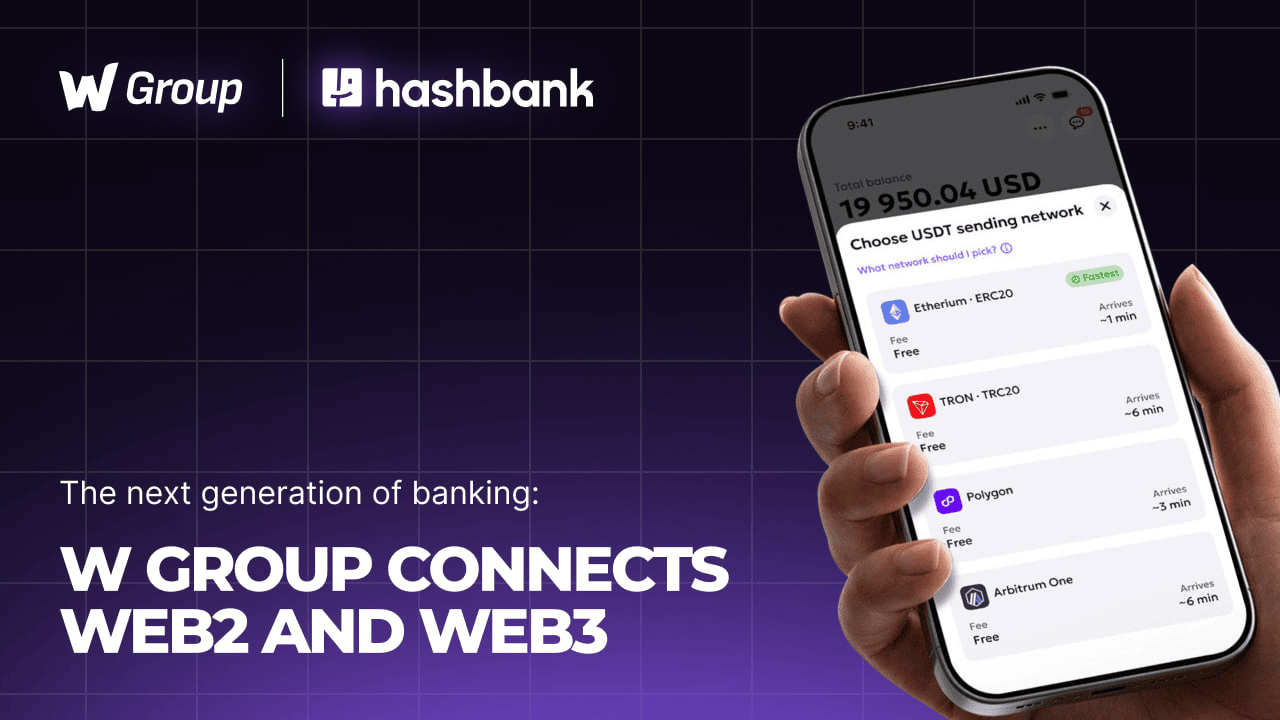
SoFi Technologies said it has begun settling card transactions in real time using stablecoins over Mastercard's global payment network, a step the company describes as a first for a US national bank. Shares moved modestly higher in Tuesday morning trading after the announcement.
The move shifts SoFi's $25 billion card program onto blockchain-based settlement rails built around SoFiUSD, replacing the batch processes that traditionally govern how card funds move between parties. The company says the change cuts interchange friction, reduces the liquidity it must hold against pending transactions, and lowers internal processing costs.
What changes for merchants
According to SoFi, merchants do not have to hold stablecoins, build new infrastructure, or alter their existing operations to participate. Through the company's Big Business Banking platform, settlement funds arrive instantly in a SoFi Bank account, and merchants can withdraw to cash at any hour at no cost, the company said.
That combination of round-the-clock availability and zero withdrawal cost is the core of SoFi's pitch to large enterprise clients, and management is positioning it as a competitive advantage in merchant acquiring. The company said commercial discussions are expanding with top-tier enterprise customers across the United States.
Why the timing matters for the stock
The announcement lands while SOFI shares are still well below their year-to-date peak, trading roughly 40% under that level as the stock works to rebuild momentum. The stablecoin settlement news gives the equity a fresh narrative at a moment when investors have been focused on the durability of its core lending and fee businesses.
Those core results have been strong. SoFi reported record quarterly figures including $1.2 billion in net adjusted revenue, up 40% from a year earlier, and $358 million in adjusted EBITDA. The company added more than one million new members in a single quarter, bringing its total user base to 15.8 million, while total product adoption reached 24.4 million.
Fee-based revenue from the Financial Services and Technology Platform segments has grown into a recurring stream that reduces the company's reliance on loan-market conditions, a factor analysts have cited when assessing the valuation.
Analyst view and the bigger picture
Wall Street's stance on SOFI remains mixed. The consensus rating sits at Hold, according to The Wall Street Journal, but the mean price target above $20 implies meaningful upside from recent levels if the company delivers on its growth plans through the rest of 2026.
The strategic significance of the settlement launch is that it pairs a regulated national bank charter with blockchain infrastructure, a combination that has been difficult for traditional institutions to execute at scale. If SoFi can demonstrate that a chartered bank can run institutional-grade stablecoin settlement on a global network without adding work for end merchants, it could set a template that other banks eventually follow.
For investors, the near-term question is whether the payment rails translate into enterprise client wins and fee revenue, while the longer-term question is whether the company can keep compounding members and products at its recent pace. Both will matter more to the share price than the headline itself.
This article is for informational purposes only and does not constitute financial advice.