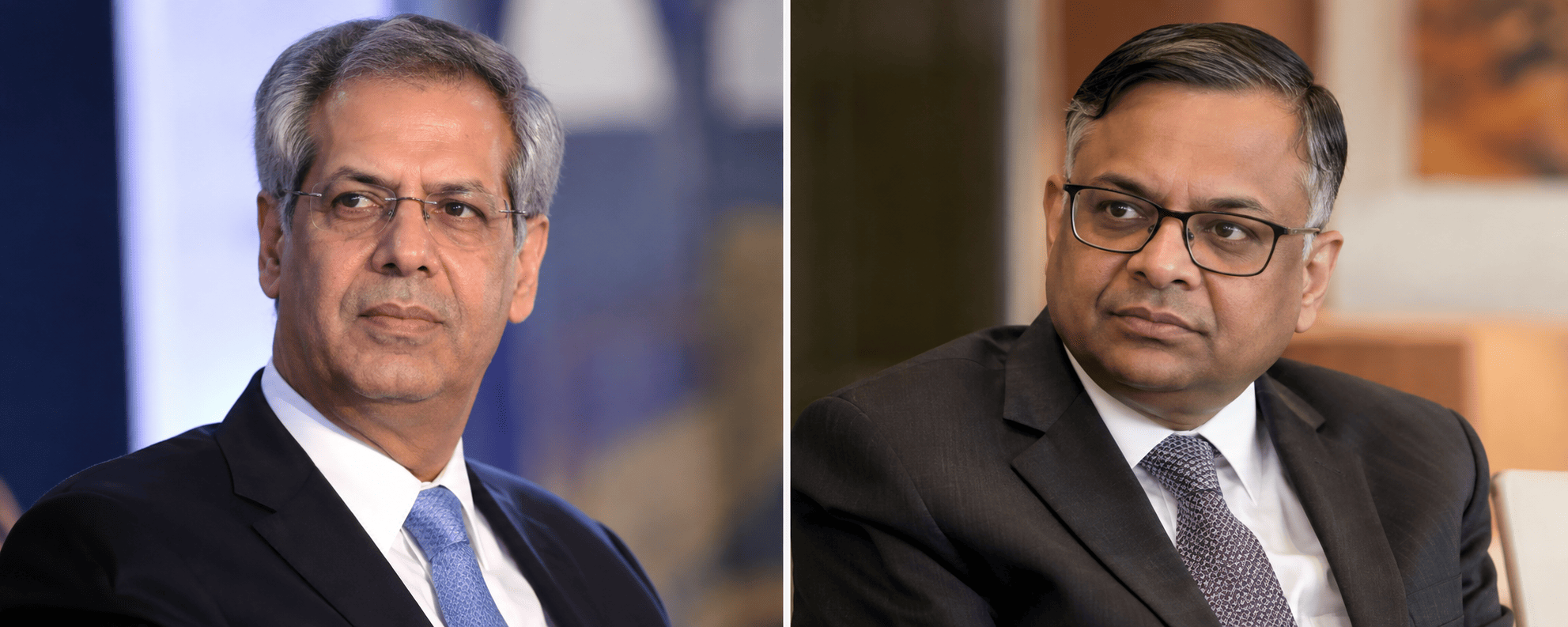
The 158-year-old Tata Group is confronting an unusually public governance battle, with the board of Tata Sons, the group's principal holding company, clashing with its controlling shareholder, Tata Trusts. At the heart of the dispute are three intertwined questions: the future of Chairman N Chandrasekaran, the potential listing of Tata Sons, and the exit of the Shapoorji Pallonji Group, the second-largest shareholder.
Tensions have escalated between Chandrasekaran and Noel Tata, who chairs Tata Trusts, over business performance, financial transparency, and strategic investments. The conflict became public when Chandrasekaran unexpectedly announced he would not seek another term, only for the Tata Sons board to reappoint him on September 17 and endorse a move toward a public listing. Tata Trusts, which holds 66% of Tata Sons, immediately challenged both decisions, citing special rights under the company's Articles of Association.
Governance Dispute Over Reappointment
Tata Trusts argues that its nominee directors, including Noel Tata, have veto rights over the chairman's appointment. The Trusts contend that the board's resolution to reappoint Chandrasekaran is legally void because Noel Tata voted against it. Tata Sons, however, maintains that the reappointment was valid under its governance framework. The dispute could culminate at the Annual General Meeting, where Tata Trusts is expected to vote against the resolution, potentially leaving Chandrasekaran's position uncertain. The AGM, originally adjourned for lack of quorum, must be held by December 31, but no new date has been announced.
Pressure to List Tata Sons
The second major flashpoint is the push for a public listing. The Reserve Bank of India classified Tata Sons as an "upper layer non-banking financial company" in 2022, which typically requires such entities to list. Tata Sons sought to exit this classification, but the RBI rejected the application earlier this month, intensifying the pressure. The Shapoorji Pallonji Group, holding about 18.4%, supports a listing after failed talks to monetize its stake. Tata Trusts has historically opposed listing, but some trustees, including Venu Srinivasan and Vijay Singh, have publicly backed the idea, citing the need for capital in capital-intensive ventures like semiconductors.
Under Chandrasekaran's leadership, the group has made significant capital commitments, including the acquisition of Air India in 2022 and a planned $11 billion semiconductor plant. These investments are part of a broader strategy to position India as a developed economy by 2047, but they also strain the group's finances, making a listing potentially attractive for raising funds.
The deadlock between the board and Tata Trusts could slow down these capital-intensive bets, as governance uncertainty may deter investors and complicate decision-making. The outcome of the AGM and the listing debate will be pivotal for the conglomerate's future direction.
This article is for informational purposes only and does not constitute financial advice.