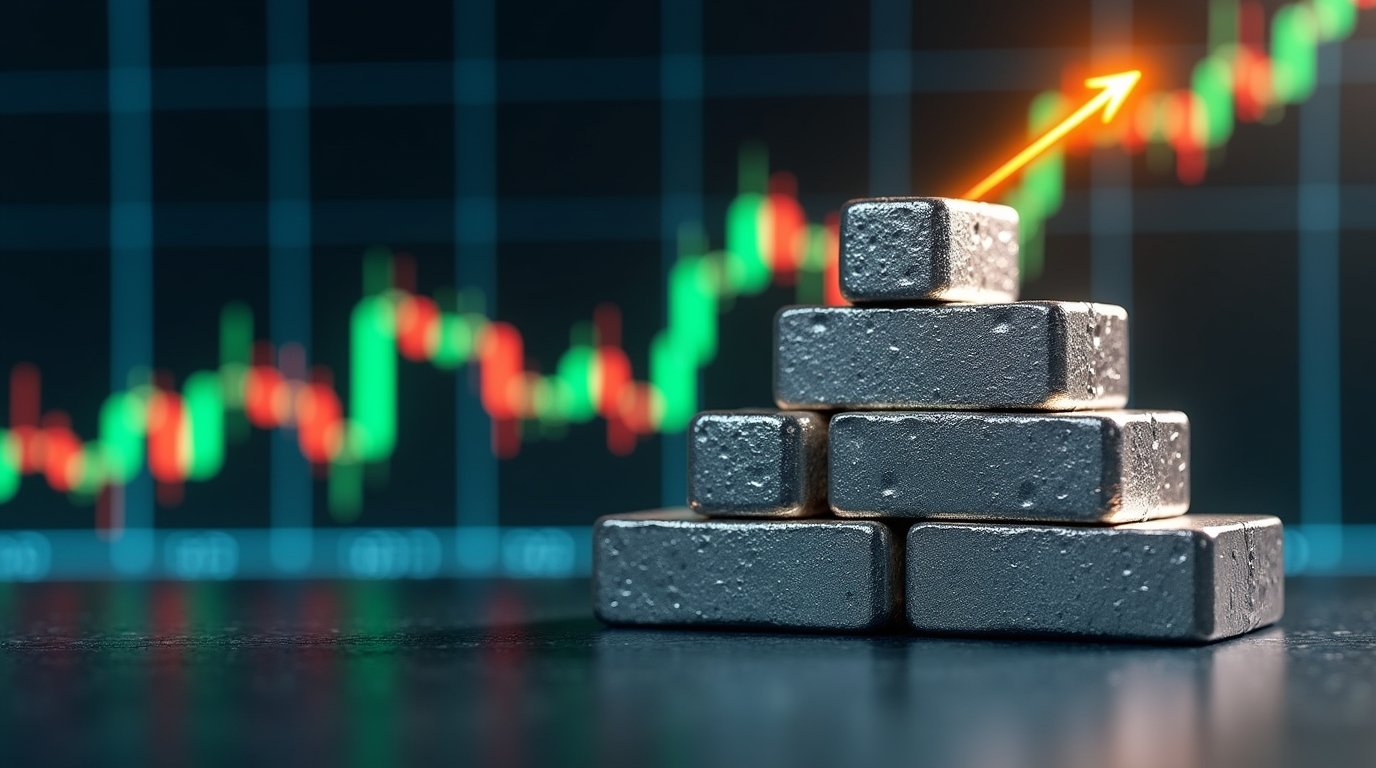
Silver pulled back in Asian trading on Friday, retreating from a sharp rally as fresh military tensions near the Strait of Hormuz tempered optimism that a US-Iran diplomatic breakthrough was imminent. The white metal traded near $67 per ounce after surging more than 6% in the prior session, reflecting a market caught between geopolitical risk and renewed monetary policy concerns.
Hormuz Tensions Resurface
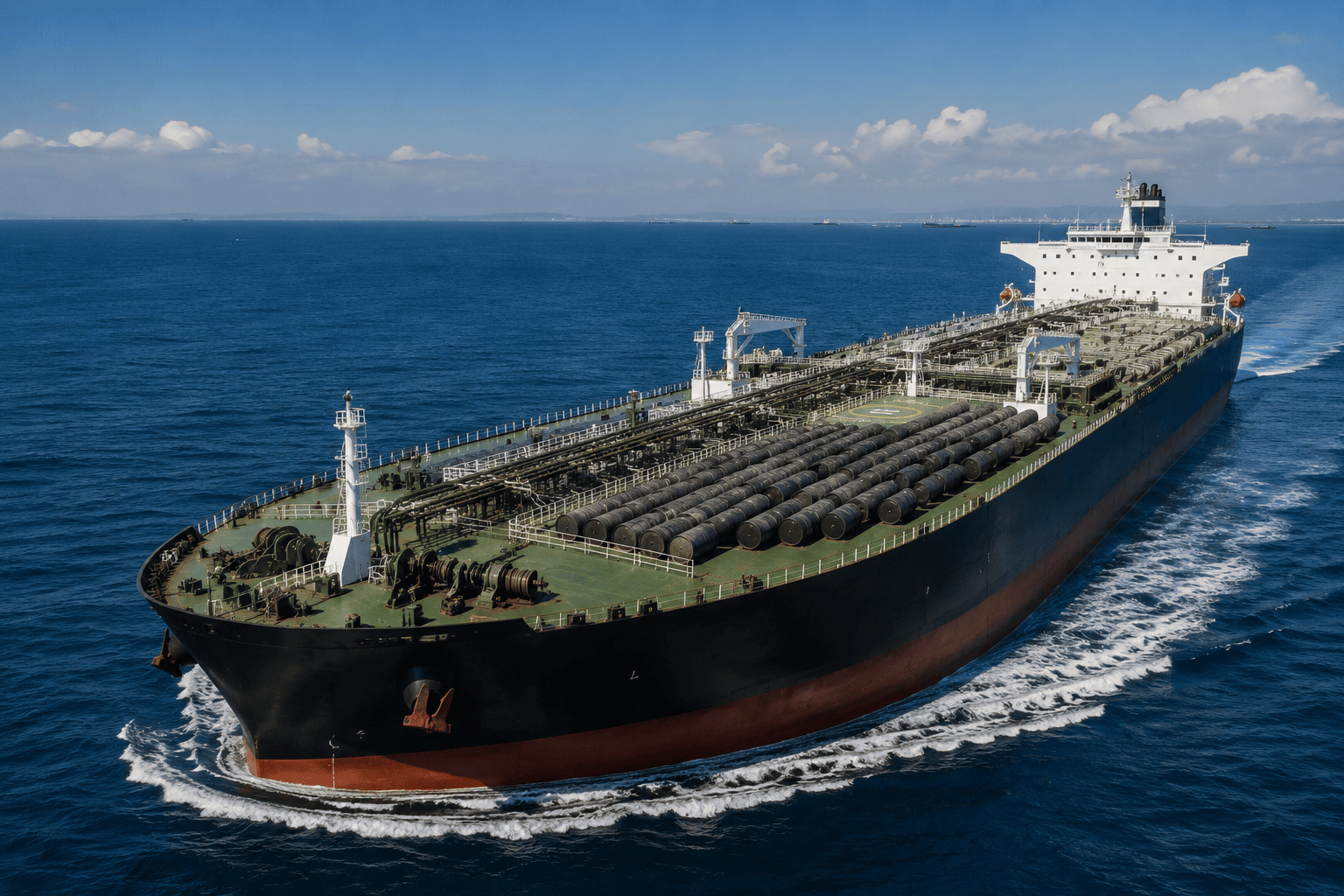
The latest pressure on silver came after reports that US forces intercepted Iranian attack drones near the Strait of Hormuz, a critical chokepoint for global oil shipments. Iranian state media offered a different account, linking explosions in the area to a confrontation with a vessel accused of violating local restrictions. The incident complicated the more constructive tone that followed President Donald Trump's decision to pause planned strikes on Iranian energy infrastructure.

Trump has indicated that a comprehensive agreement with Tehran could be finalized as soon as this weekend, with shipping lanes in the Strait of Hormuz expected to reopen safely under the proposed framework. However, Tehran has not yet given clear final approval, leaving a gap between market hopes and political reality that keeps traders cautious. Any renewed threat to commercial shipping would quickly feed into oil prices, inflation expectations, and demand for defensive assets.
For context, silver has been highly sensitive to these competing signals. It can benefit from geopolitical stress like gold, but it is also exposed to growth and industrial-demand expectations, leaving it vulnerable when rate fears rise. The metal's dual nature makes it a bellwether for shifting market sentiment.
Rate Pressure Returns to the Foreground
The other drag on silver is monetary policy. US producer prices rose 6.5% year-over-year in May, the fastest annual increase in three and a half years, driven by surging energy costs. The data strengthened expectations that the Federal Reserve may still have to raise rates later this year if inflation proves harder to contain. Higher rates tend to weigh on precious metals because they increase the relative appeal of interest-bearing assets.
That matters for silver as much as gold, especially after a steep rally that left prices vulnerable to profit-taking. The pullback on Friday reflected a broader rethink across precious metals, where traders are weighing headline-driven haven demand against the risk that sticky inflation will keep global interest rates higher for longer.
ECB Move Adds to Caution
The European Central Bank added to the hawkish backdrop by raising rates for the first time since 2023, responding to renewed inflation pressure from the Middle East energy shock. The move reinforced the sense that central banks are not yet ready to look through the latest price spike, adding to the headwinds for silver and other precious metals.
For silver, the next move may depend on which story becomes clearer first: a credible diplomatic breakthrough in the Gulf, or more evidence that inflation is forcing policymakers back towards tighter policy. Until then, volatility is likely to remain elevated. Traders are also watching key support levels, as seen in recent price action where silver dropped below $59 as Iran tensions eclipsed softer US CPI data.
The broader market context remains challenging. While geopolitical risks can provide a temporary boost, the combination of rising rate expectations and a strong dollar has historically been a headwind for silver. For investors tracking the metal, the interplay between Hormuz developments and central bank policy will be crucial in the coming days. As noted in our earlier analysis, silver held near $58 as Hormuz oil risk and Fed rate uncertainty weighed, highlighting the persistent tug-of-war.
This article is for informational purposes only and does not constitute financial advice.