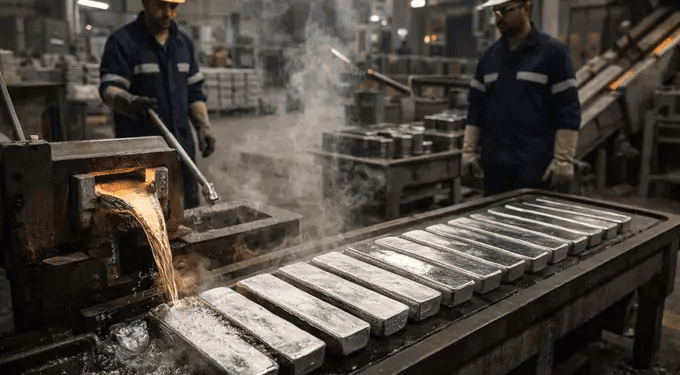
Silver prices edged lower on Wednesday, failing to sustain gains above the $59.00 level as escalating geopolitical tensions in the Middle East overshadowed a weaker US dollar and softer-than-expected inflation data. The precious metal traded at $58.50 at the time of writing, after facing rejection near the $59.00 threshold during Tuesday's session.
Weaker Dollar Fails to Lift Silver
The US dollar extended its losses on Tuesday following the release of softer Consumer Price Index (CPI) data, which reduced market expectations for immediate interest rate hikes by the Federal Reserve. Despite this supportive factor, silver struggled to attract sustained buying interest as geopolitical developments took center stage.
Iran Tensions Weigh on Risk Appetite
Investor sentiment remained subdued as hostilities involving Iran intensified. The US military resumed a blockade of the Strait of Hormuz for Iranian vessels, while President Donald Trump threatened to target civilian infrastructure, including power plants and bridges. In response, Tehran warned it could shut down other energy routes. The renewed tensions kept investors cautious, supporting higher energy prices while weighing on precious metals. For more on the oil market impact, see Oil Prices Climb as Renewed Strait of Hormuz Tensions Reignite Supply Fears.
Technical Indicators Show Mixed Signals
From a technical perspective, silver continued to trade below key resistance levels. On the four-hour chart, XAG/USD remained beneath the descending trendline resistance drawn from late-May highs. The Relative Strength Index (RSI-14) recovered toward the neutral 45 level, while the Moving Average Convergence Divergence (MACD) turned slightly positive, suggesting bearish momentum may be easing. However, bullish signals remain limited, indicating buyers have yet to regain firm control of price action.
Oil Extends Gains as Geopolitical Risks Intensify
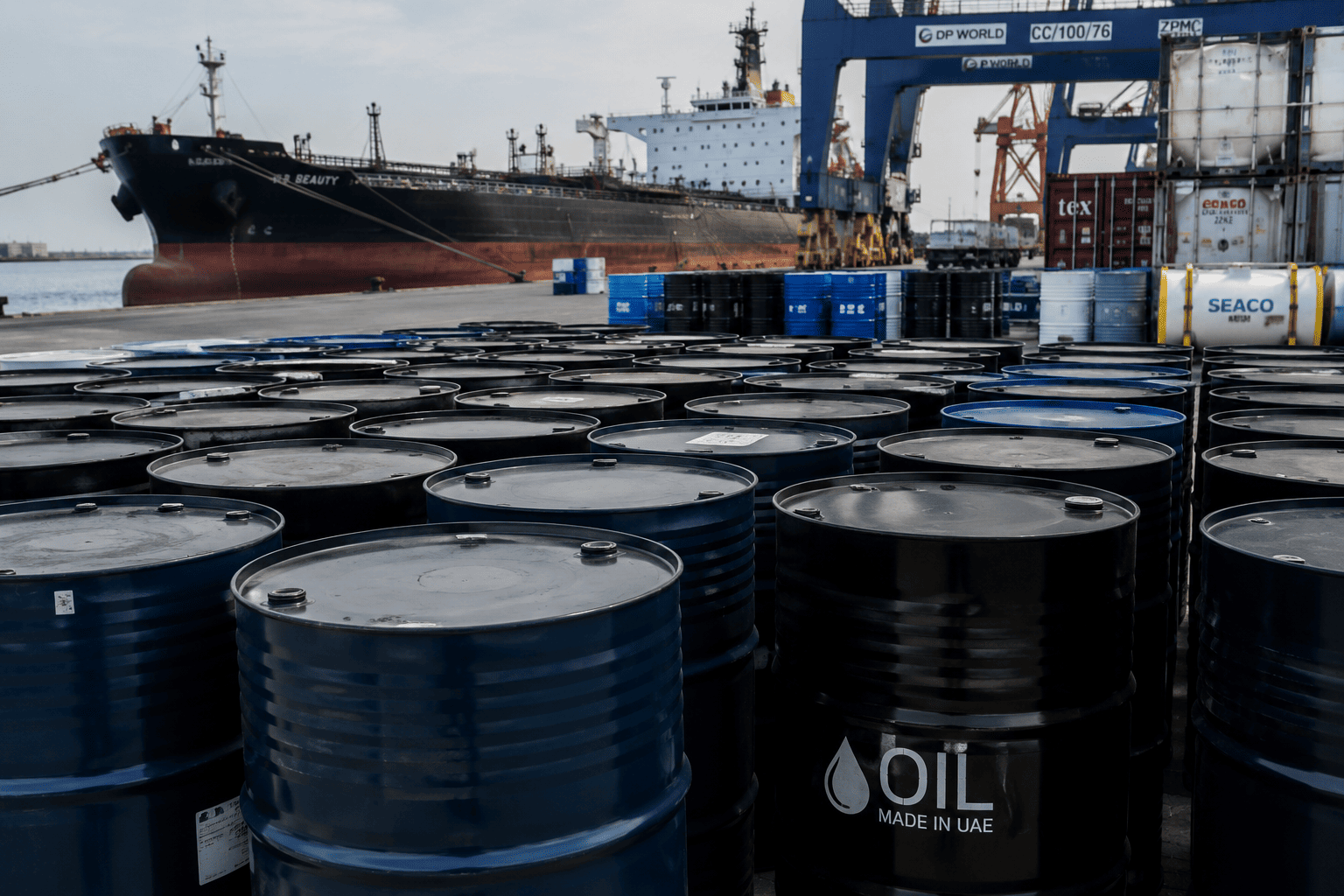
Oil prices moved higher on Wednesday following the latest developments in the Middle East. Brent crude futures climbed 0.96% to $85.54 a barrel, while West Texas Intermediate (WTI) crude futures gained 0.66% to $79.98 a barrel. The gains came after the reimposition of a naval blockade on all Iranian ports, heightening supply disruption fears.
Gold Retreats After Inflation-Driven Rally
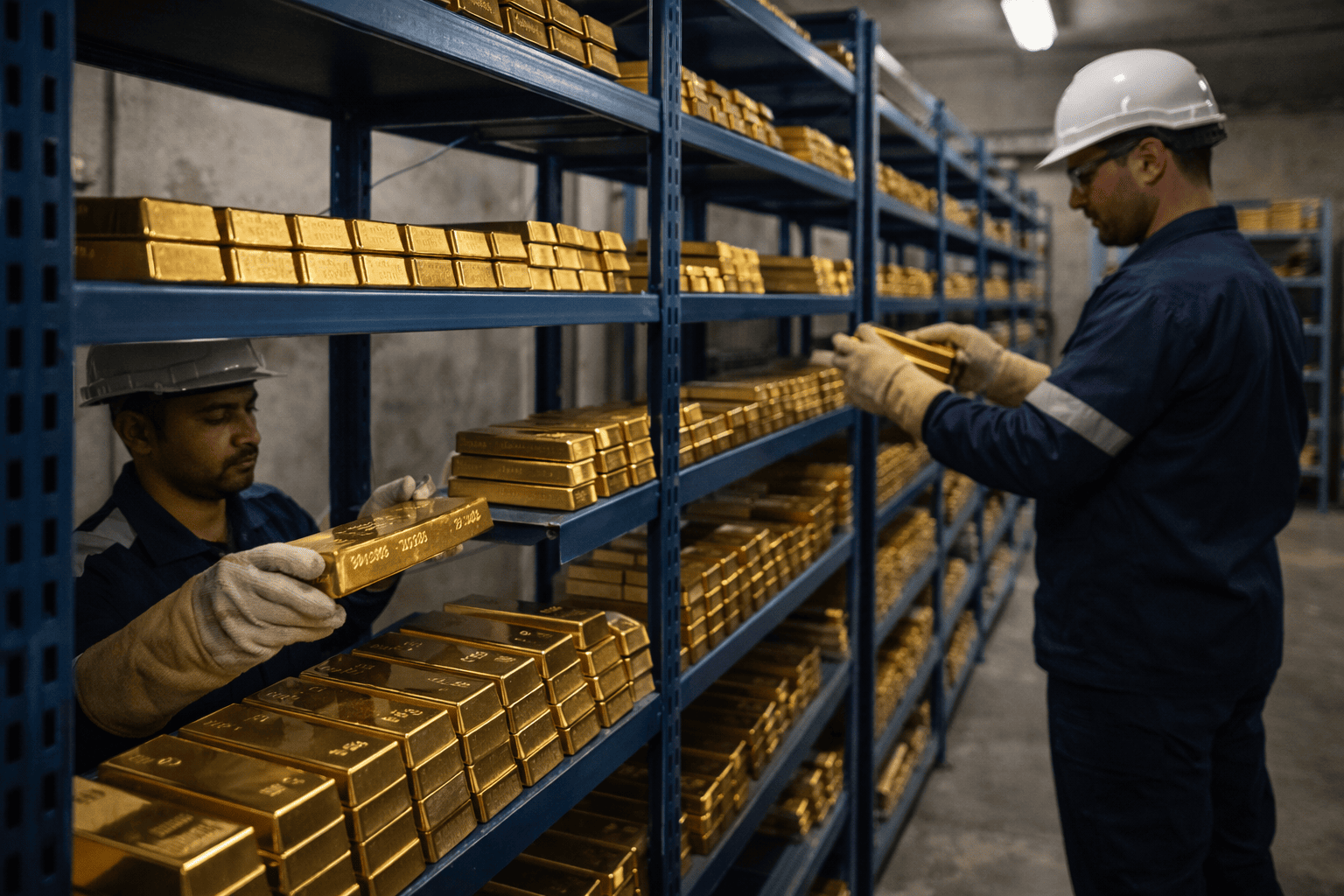
Gold prices also moved lower on Wednesday as markets shifted focus from softer US inflation to the inflationary risks posed by higher energy prices. Spot gold fell 0.5% to $4,035.67 an ounce, while August gold futures declined 0.7% to $4,042.20. The pullback erased part of Tuesday's rally, during which bullion surged more than 2% to reach $4,100.49 after June consumer price data came in below expectations. For further analysis, see Gold Retreats From 2% Rally as Oil Spike Threatens to Undermine Inflation Relief.
Market participants are now balancing two competing themes: the supportive effect of a weaker US dollar and the broader uncertainty created by escalating geopolitical tensions. While precious metals remain caught in this tug-of-war, oil continues to benefit from concerns over supply disruptions. The broader market impact is also evident in equity indices, as seen in FTSE 100 Dips 0.3% as Geopolitical Tensions Offset Energy Rally Led by BP.
This article is for informational purposes only and does not constitute financial advice.