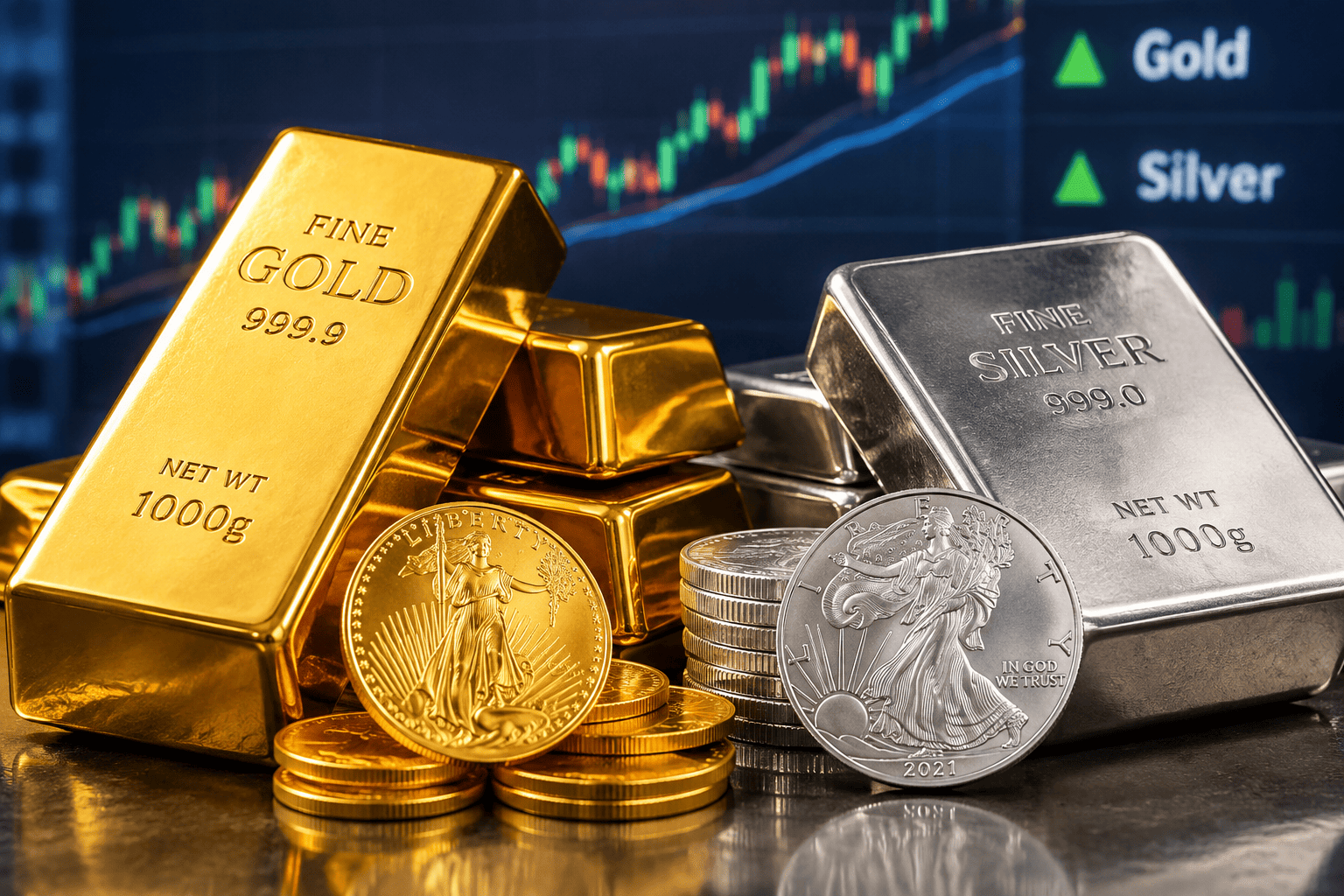
Silver prices continued their downward trajectory for a third consecutive session on Thursday, trading near $56.90 per ounce in Asian hours, as mounting expectations of a Federal Reserve rate hike and a robust US dollar overshadowed the potential relief from declining oil prices. The metal, which offers no yield, is feeling the pressure from a sharp repricing of interest-rate expectations, with markets now pricing in an 83.1% probability of at least one rate increase by December, according to the CME FedWatch Tool.
Fed Repricing Hits Non-Yielding Metals
The primary headwind for silver stems from a significant shift in interest-rate expectations. When traders anticipate higher returns from cash or short-dated bonds, precious metals become less attractive unless safe-haven demand is strong enough to offset the opportunity cost. Federal Reserve Chair Kevin Warsh has reinforced the central bank's commitment to fighting inflation, while also signaling less reliance on forward guidance. Analysts note that this has made markets more sensitive to every incoming data point, particularly inflation figures.
Dollar Strength Adds Another Headwind
The US dollar has added to the pressure on silver. The US Dollar Index held near 101.80, a one-year high, driven by expectations that US interest rates may stay higher for longer. A stronger dollar makes silver more expensive for buyers using other currencies, potentially dampening demand from overseas investors and physical-market participants. This dynamic has also weighed on the broader precious metals complex, with gold slipping below $4,110 as investors reassess the appeal of defensive assets in a tighter policy environment.
Oil Relief Fails to Help Silver
While easing Middle East tensions have pulled crude prices lower—a development that would normally soften inflation anxiety—this time the dollar and the Fed rate path are dominating market sentiment. The pullback in oil, driven by progress in US-Iran peace efforts, has eased one source of inflation pressure, but traders are not yet convinced it will be enough to change the Fed's reaction function.
PCE Data Becomes the Next Trigger
The immediate test for silver is the US personal consumption expenditures (PCE) report due later on Thursday. Economists expect headline PCE inflation to rise to 4.1% year-on-year in May from 3.8% in April, while core PCE is forecast to edge up to 3.4%. A softer inflation print could slow the dollar rally and offer some relief for silver. Conversely, a hotter number would likely strengthen the case for tighter policy and keep XAG/USD under pressure.
Market Context and Outlook
The recent sell-off in silver is part of a broader de-risking in precious metals, with gold also breaking below key levels. The metal's near-term bias remains fragile, as traders weigh the impact of upcoming data against the backdrop of a hawkish Fed. For investors, the key risk is that a cooler-than-expected PCE reading could trigger a sharp drop in rate-hike odds and a USD selloff, potentially sparking a fast rebound in silver. However, if the data confirms a 'higher for longer' rate environment, silver could extend its decline quickly.
In related markets, silver had previously dropped below $60 as dollar strength overwhelmed geopolitical haven demand, and the current environment suggests further downside risk. Meanwhile, broader markets are also feeling the pinch from geopolitical tensions and shifting rate expectations.
This article is for informational purposes only and does not constitute financial advice.