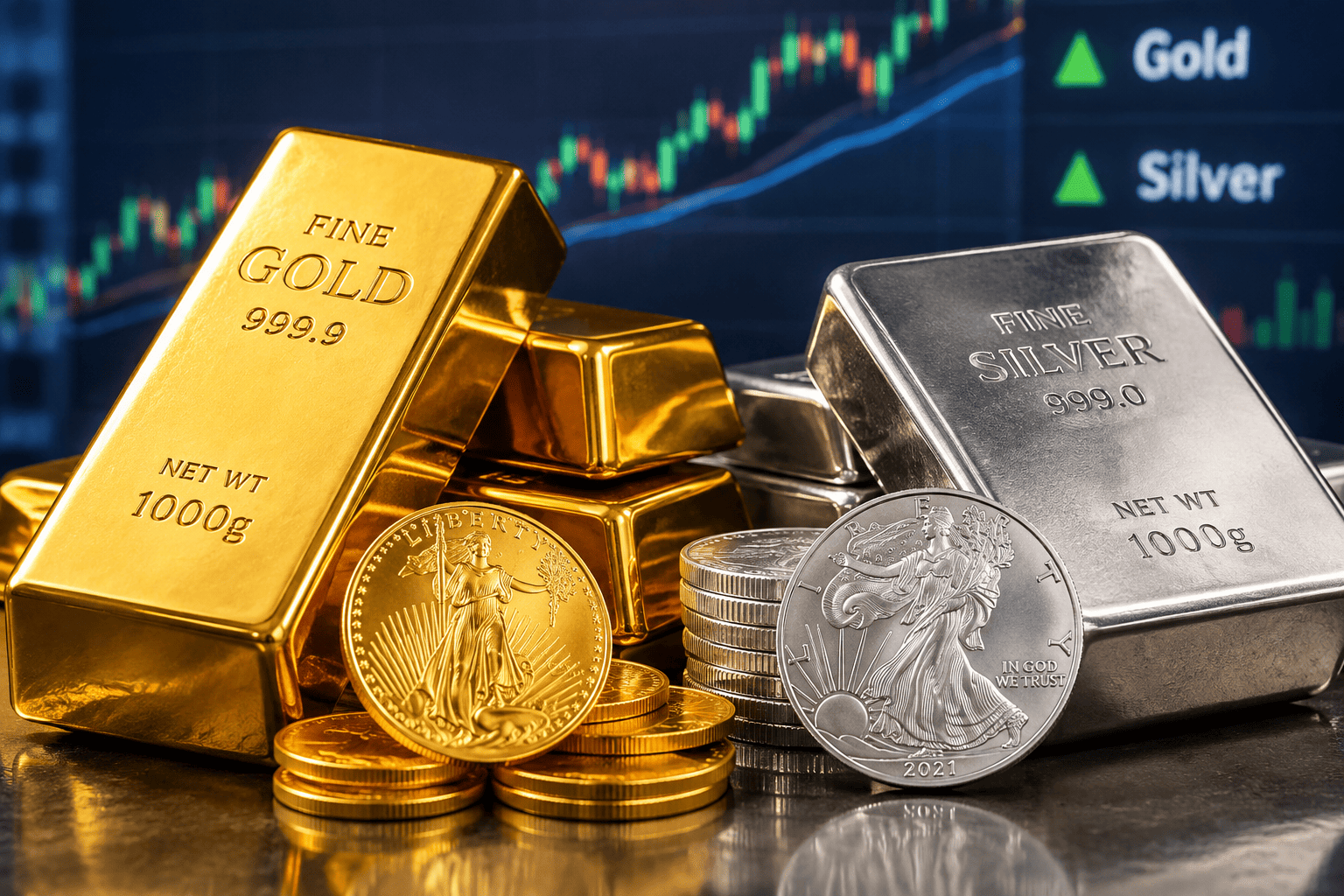
Gold prices continued their downward trajectory in the latest session, extending losses as elevated Treasury yields overshadowed safe-haven demand stemming from geopolitical tensions and weaker-than-expected US employment figures. Spot gold traded at $4,104.30 per ounce, down 0.44% from the previous session's close of $4,115.79, when the metal had already declined 0.1%. US gold futures for August delivery also fell 0.4% to $4,124.90 per ounce.
Weekly Decline and Key Support Levels
The precious metal is on track for a weekly decline of approximately 1.4%, according to market data from the earlier session. Despite the losses, gold remains above the $4,090 support area, having traded within an intraday range of $4,093.70 to $4,135.50. However, prices continue to trade below the $4,162–$4,214 resistance zone, which has capped the latest rebound.
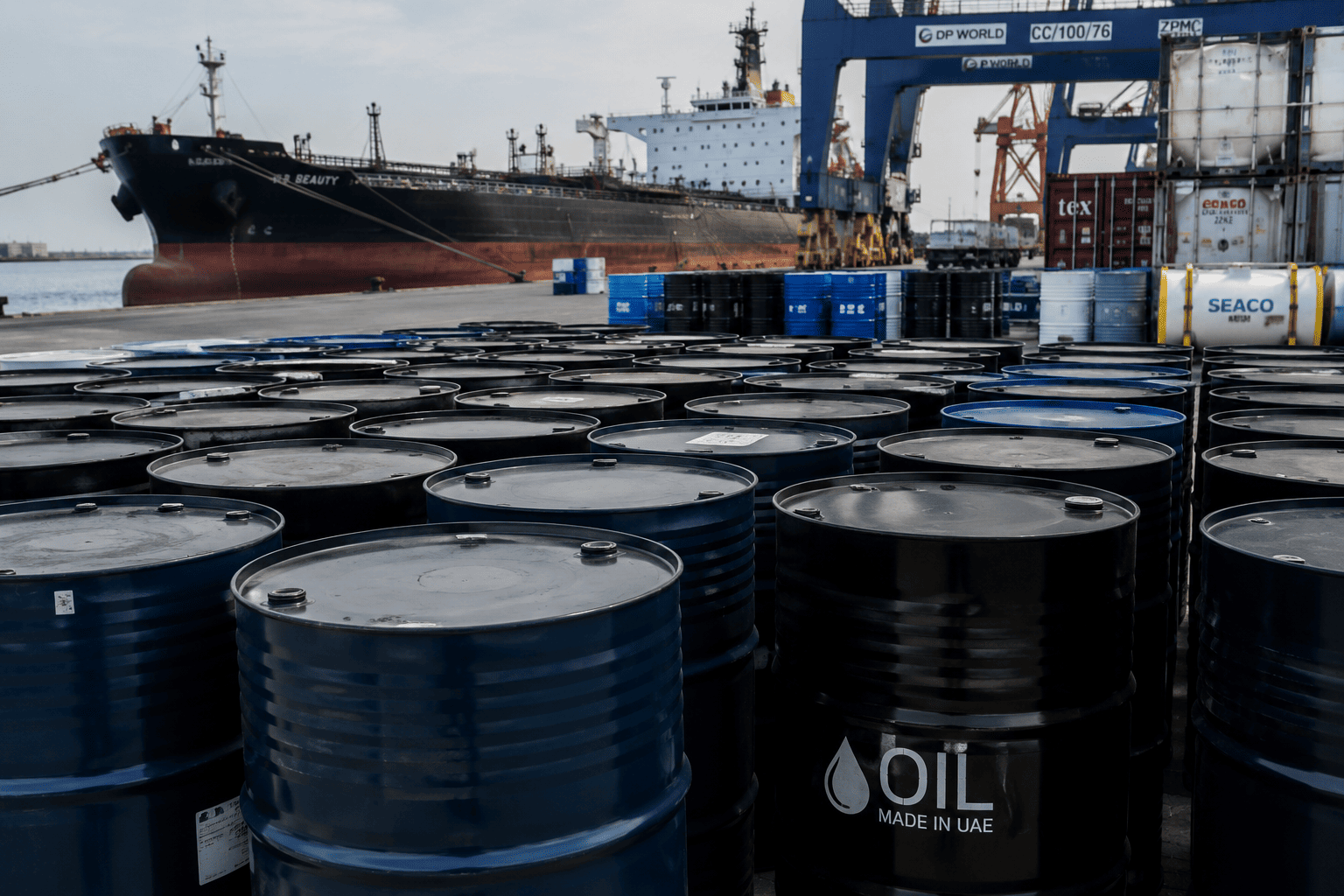
Silver also weakened, with spot silver trading near $59.49 per ounce, down 0.57%, after fluctuating between $59.15 and $60.89 during early trading. While the metal held above Thursday's lows, it was unable to regain the $61.00 level.
Mixed Signals from Employment Data and Fed Minutes
Investor sentiment in precious metals remained divided following the US June employment report and the Federal Reserve's latest meeting minutes. The June payrolls report showed only 57,000 jobs added, roughly half of market expectations, while the unemployment rate held steady at 4.2%. Additionally, payroll figures for April and May were revised lower by a combined 74,000 jobs.
The softer labor market initially provided support for gold by reducing expectations for further Federal Reserve tightening. However, the Fed's meeting minutes revealed a cautious stance, with policymakers signaling that inflation remains elevated and that further rate hikes could be warranted if data warrants. This has kept Treasury yields elevated, which in turn has limited gold's upside.
Geopolitical Tensions in the Strait of Hormuz
Geopolitical developments remain a key focus for investors. The Strait of Hormuz continued to operate normally despite elevated political and shipping risks. Oil prices remained volatile following a series of unclaimed strikes in southern Iran, while both Washington and Tehran maintained that the strategically important waterway should remain open. Markets are not currently pricing in a complete blockade.
In energy markets, Brent crude traded near $77.08 per barrel, while Nymex WTI crude was around $72.73 per barrel. Higher oil prices have provided support to the energy sector but have also reinforced inflation concerns, which have limited gold's upside by supporting higher yields. For context on broader market reactions, see Dow Adds 139 as Chip Surge Offsets Iran Tensions; Oil Eases.
Inflation Data as the Next Catalyst
Market participants are now focused on the upcoming US Consumer Price Index (CPI) release, which could provide the next major catalyst for gold. A softer inflation reading could ease pressure from higher real yields and improve gold's prospects of testing the $4,162–$4,214 resistance zone. Conversely, a hotter-than-expected CPI could reinforce the case for tighter monetary policy, further weighing on precious metals.
Additionally, any further developments affecting shipping through the Strait of Hormuz, as well as additional communication from Federal Reserve officials following this week's policy minutes, will be closely watched. For more on how precious metals are reacting to macroeconomic forces, see Silver Breaks $60 as Dollar Weakness Fuels Precious Metal Demand.
This article is for informational purposes only and does not constitute financial advice.