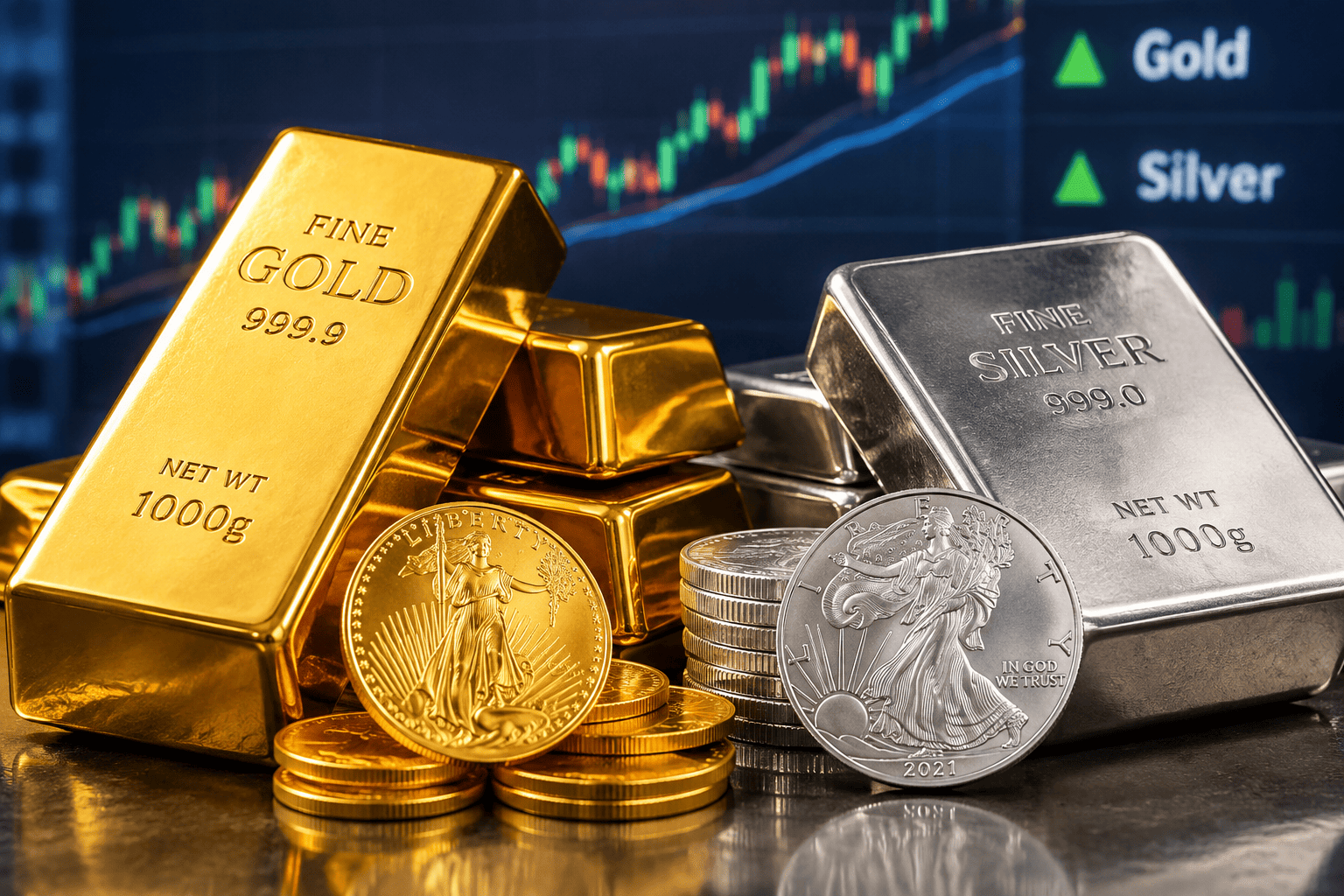
Silver prices slid below the $60 mark on Monday, dipping to around $59 an ounce as renewed US-Iran tensions drove traders toward the dollar and away from precious metals. The decline, which saw spot silver drop as much as 2.9% to $58.14, extended a volatile period following last week's rebound attempt.
Dollar Strength Overwhelms Haven Appeal
The immediate catalyst was a broader market shift triggered by escalating Gulf tensions. Oil prices surged, Treasury yields moved higher, and the dollar gained ground—a combination that historically pressures silver. A stronger dollar makes the metal more expensive for non-dollar buyers, while higher yields reduce the appeal of non-yielding assets like silver.

Unlike gold, silver's dual identity as both a safe-haven asset and an industrial metal complicates its response to geopolitical shocks. While such events theoretically boost defensive demand, the reality is that silver is increasingly treated as a cyclical asset tied to economic growth. Rising energy costs and the potential for slower growth have made investors cautious, limiting the metal's ability to benefit from the safe-haven impulse.
Industrial Demand and Physical Tightness Provide a Floor
Silver's longer-term fundamentals remain supported by robust industrial demand, particularly from solar panel manufacturing, electronics, and AI-related infrastructure. The Silver Institute projects that demand from key technology sectors will expand over the next five years, driven by silver's irreplaceable electrical and thermal conductivity.
Physical market tightness is also evident in India, the world's largest silver market. Import restrictions have created shortages, pushing local premiums to six-month highs despite softer-than-usual demand. These supply frictions suggest that silver's downside is not solely driven by investment flows; physical availability and industrial consumption provide a price floor that can limit declines when investor selling subsides.
Technical Levels in Focus
The chart remains fragile, with silver trading below the psychologically important $60 level. That zone now serves as the first resistance for buyers. A sustained move above $60 could improve sentiment and open the path toward $61.50 and then $63. However, until that occurs, rebounds are likely to attract selling pressure.
On the downside, the $58-$58.50 area is the first support zone. A clean break below that level would expose the recent low near $55.60 and confirm that the latest recovery attempt has failed. For now, silver needs more than geopolitical anxiety to recover; it requires a softer dollar, lower yields, or physical demand strong enough to overpower investor selling.
For context, similar dynamics are playing out in other markets. Gold Slips Below $4,110 as Rising Yields Counter Geopolitical Safe-Haven Demand reflects the same headwinds facing precious metals. Meanwhile, Silver Breaks $60 as Dollar Weakness Fuels Precious Metal Demand highlights how a weaker dollar can quickly reverse the trend.
This article is for informational purposes only and does not constitute financial advice.