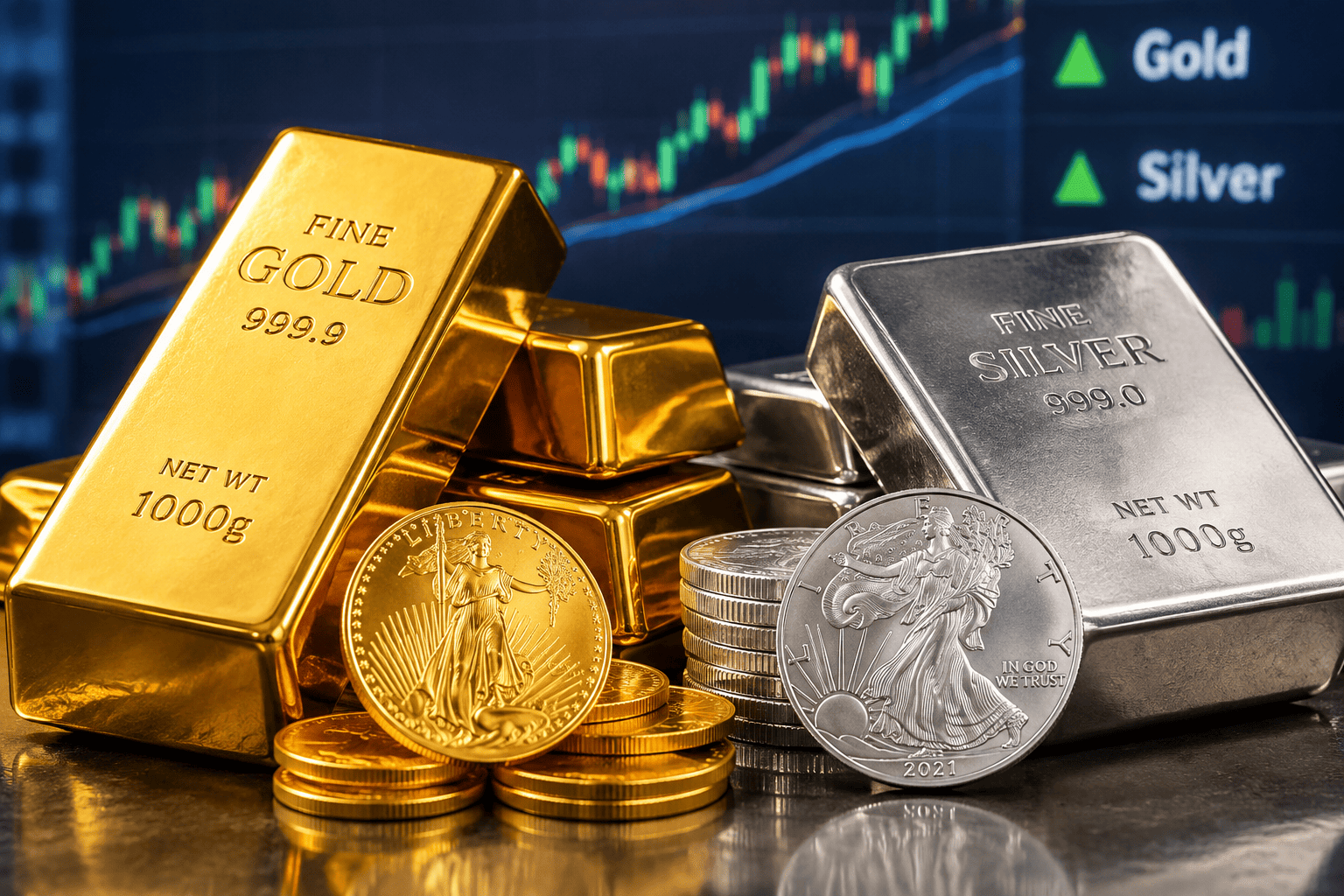
Gold prices dropped sharply on Monday, falling more than 1% as investors interpreted the latest escalation in Gulf tensions not as a catalyst for safe-haven buying, but as a threat to the interest rate outlook. Spot bullion declined 1.5% to $4,059.11 an ounce, while August futures slipped 1.1% to $4,067.10, according to market data.
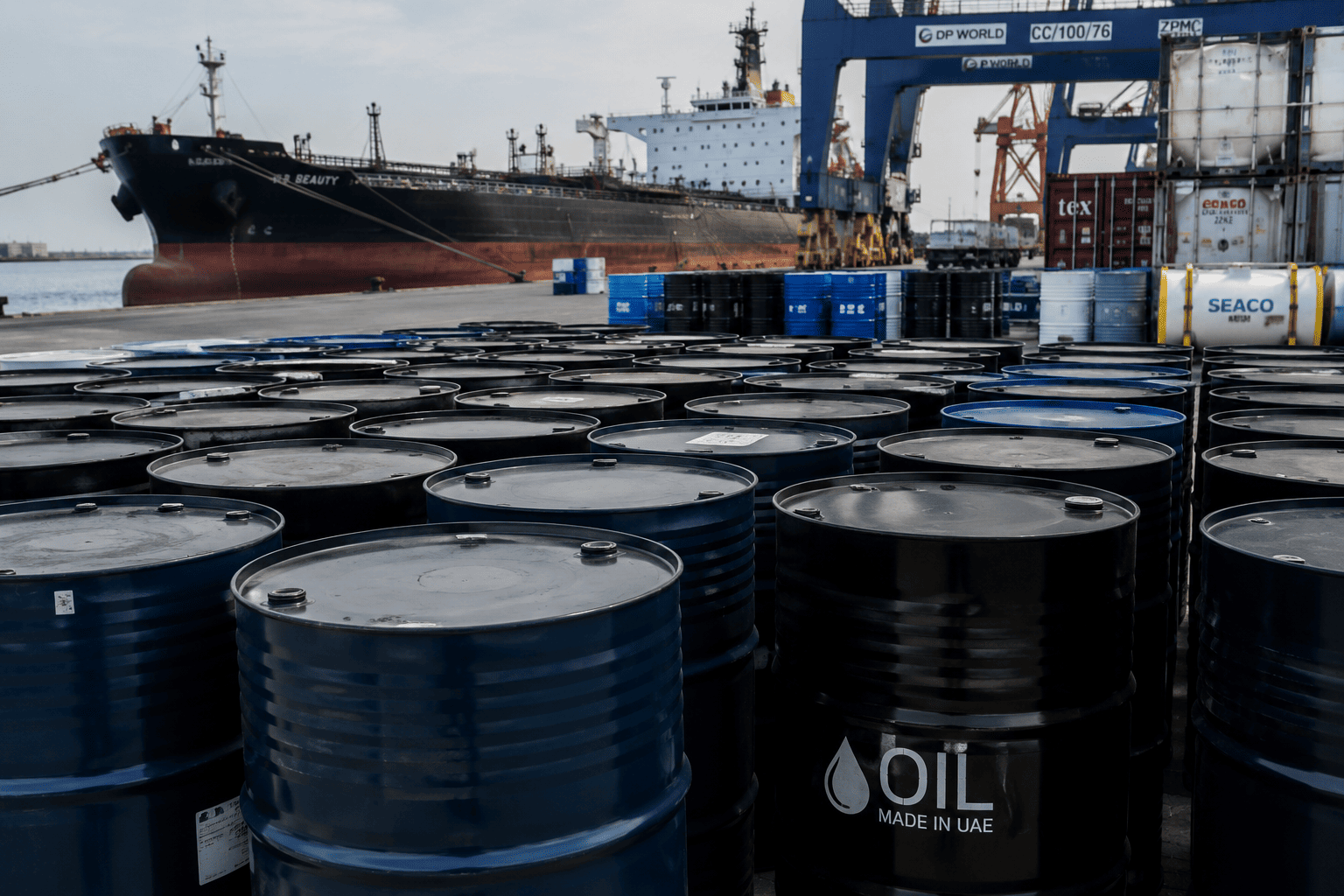
The sell-off came as oil prices jumped approximately 4% after Iran announced it had closed the Strait of Hormuz, a critical chokepoint for global energy shipments. This move strengthened the U.S. dollar and pushed Treasury yields higher, putting renewed pressure on gold after a fragile attempt to stabilize in recent sessions.
Inflation Fears Trump Geopolitical Risk
The metal's weakness underscores how quickly the gold trade can pivot when inflation concerns overshadow geopolitical uncertainty. Bullion had found support last week from softer U.S. labor data and reduced expectations for near-term monetary tightening. That support evaporated as crude oil's rally revived worries that elevated energy costs could keep price pressures elevated.
Gold typically benefits when geopolitical risk rises, but this episode is different because markets are focused on what higher oil might mean for interest rates. When yields rise and the dollar firms, the opportunity cost of holding non-yielding bullion increases, dampening demand.
Hormuz Disruption Tests Haven Narrative
The Strait of Hormuz remains the pressure point for investors. Over the weekend, U.S. and Iranian forces exchanged missile and drone strikes, with Tehran stating it had again shut the waterway. Even a partial disruption would be significant, as the strait is one of the world's most vital energy routes.
Analysts at ABC Refinery view gold as vulnerable during the initial phase of Gulf violence because oil-led inflation tends to lift the dollar and yields. However, they note a possible second-stage effect: if a prolonged disruption damages demand and slows economic growth, gold could later find support from recession or deflation fears. This leaves bullion in a difficult middle ground, where the immediate price driver is the policy channel rather than pure safe-haven buying.
For broader context, the Asian Markets Tumble as Oil Surge on Strait Tensions Hits Chip Stocks and Bonds and the S&P 500 Nears Record: Earnings, CPI, Iran Tensions, AI Jitters in Focus highlight the widespread impact of these tensions across asset classes.
Key Events Ahead: Warsh Testimony and CPI Data
This week presents several tests for gold traders. Federal Reserve Chair Kevin Warsh is scheduled to deliver his first semiannual testimony to Congress, while June CPI, PPI, and retail sales figures will shape the market's view of whether inflation is cooling or being reignited by energy prices. Fed officials Michelle Bowman and Christopher Waller are also set to speak, adding to the focus on how policymakers judge the latest oil shock.
Futures markets now price about a 72% chance of a September rate increase, up from roughly 63% last week, reflecting the shift in expectations.
Other precious metals also weakened. Silver fell 2.9% to $58.14 an ounce, platinum lost 1.8% to $1,598.48, and palladium dropped 2.3% to $1,247.27. For related analysis, see Gold Slips Below $4,110 as Rising Yields Counter Geopolitical Safe-Haven Demand.
This article is for informational purposes only and does not constitute financial advice.