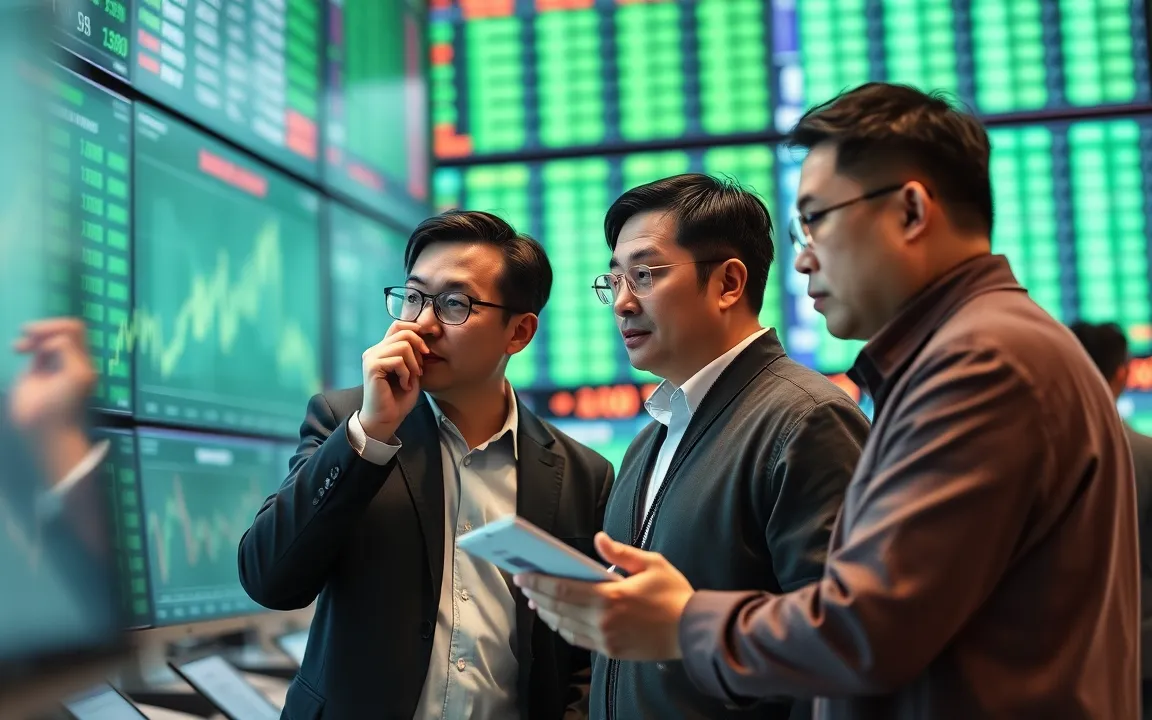
Shares of Samsung Electronics and SK Hynix rallied sharply in Seoul on Wednesday, buoyed by a record surge in South Korea's semiconductor exports that provided fresh evidence of robust demand in the AI-driven memory market.
SK Hynix jumped 7.11% to 1.31 million won, while Samsung climbed 5.56% to 223,250 won in morning trading. The KOSPI index gained 3.28% by mid-morning, recovering part of Tuesday's 3.73% decline.
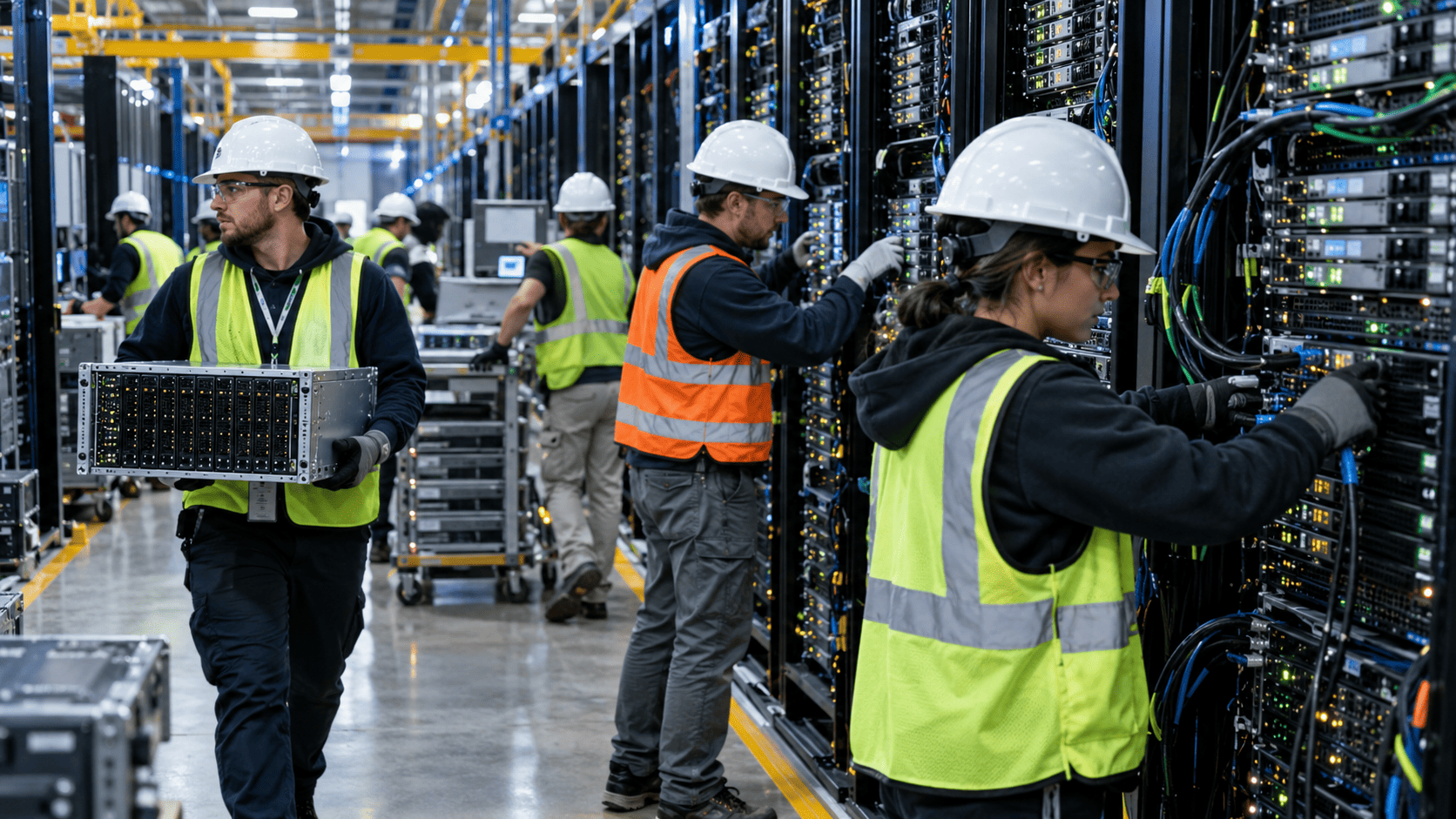
The export data, released by the Korea Customs Service, showed semiconductor shipments reached $27.5 billion in the first 20 days of October, a 222.5% increase year-over-year. Chips accounted for 44.7% of the country's total exports, which rose 105.4% to $61.6 billion. On a working-day adjusted basis, average daily exports climbed 65.9%.
The figures highlight a widening gap between investor concerns about future AI spending and the exceptional revenues chipmakers are generating today. While equity markets have been volatile amid worries about rising borrowing costs and returns on data-center investments, the export data underscores the strength of current demand.
Foreign investors return to Korean chip stocks
Foreign investors bought a net 197.3 billion won of Korean shares on Wednesday morning, reversing the selling pressure that had weighed on the market in recent sessions. Institutions added 45.3 billion won, while retail investors sold 406.4 billion won.
The rebound followed improving sentiment toward US technology companies. Super Micro Computer raised its quarterly revenue forecast to $18.5 billion–$19.5 billion from $14.5 billion–$15.5 billion, reinforcing the view that demand for AI servers remains healthy.
Seo Sang-young of Mirae Asset Securities attributed the recovery to bargain hunting, stronger US semiconductor sentiment, and more favorable overseas financial conditions. He also cited expectations of lower oil prices, steadier long-term bond yields, and a softer dollar.
Export surge challenges bearish narrative
The export figures measure value, not unit volume, meaning higher memory prices can lift revenues even without an equivalent rise in shipments. This has created a striking split between financial markets.
“It is as if the stock market and the foreign exchange market are thinking differently,” said Park Sang-hyun of iM Securities, in comments translated by Chosunbiz. He attributed the currency's resilience to semiconductor exports and the trade surplus, while equity investors were pricing in the possibility of slower AI investment.
Strong export receipts demonstrate current demand, but they cannot guarantee that today's pricing strength will survive future changes in supply. Analysts caution that forecasts could weaken quickly if data-center projects stall, Chinese competitors expand, or memory prices reverse.
Valuations remain unusually cheap
SK Securities analyst Han Dong-hee estimates Samsung trades at about 3.5 times forecast earnings over the next 12 months, compared with just 2.8 times for SK Hynix. Those multiples have fallen below trough valuations seen in previous memory downturns, Han said in research on Wednesday.
He called expectations of a sharp earnings decline after 2028 “excessive pessimism,” citing AI demand, constrained supply, and longer-term contracts. SK Securities has raised its 2027 profit forecasts for both chipmakers as memory prices exceed expectations.
The combination of record export data and cheap valuations is prompting some investors to reassess the bearish outlook. However, the sustainability of memory pricing remains a key risk, especially if supply ramps up faster than expected or AI capital expenditure gets delayed.
This article is for informational purposes only and does not constitute financial advice.