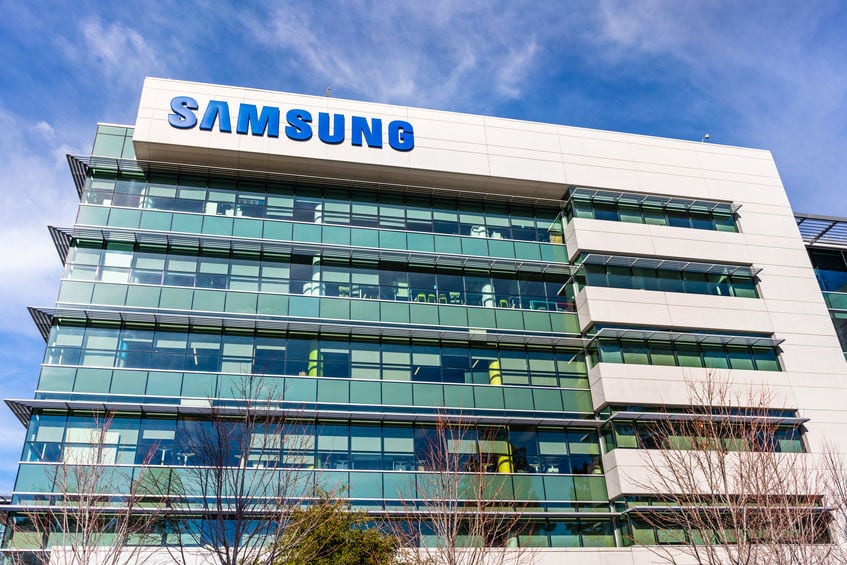
Samsung Electronics has signaled that shareholder returns could reach as high as 110 trillion won (approximately $80 billion) in 2026, a figure roughly five times its previous annual record. The announcement comes as the AI-driven memory boom generates substantial cash flows across South Korea's semiconductor sector, and follows SK Hynix's decision to execute a 40 trillion won share buyback and cancellation program.
Both companies are now indicating that record profits from AI memory can support aggressive capital spending while still leaving ample funds for investor distributions. Samsung's existing 2024-2026 policy commits to returning 50% of free cash flow, including 9.8 trillion won in regular annual dividends. With memory earnings surging, that formula has become significantly more powerful.

AI memory creates a cash surplus
"Samsung Electronics' free cash flow is rising rapidly thanks to the AI memory boom," said Kim Dong-won, head of research at KB Securities, in comments to Financial News. He argued that future valuation gains may depend increasingly on how management distributes that cash, rather than on earnings growth alone.
Importantly, Samsung is not cutting back on investment to fund shareholder returns. In March, the company announced plans to spend more than 110 trillion won on facilities and research and development in 2026, including investments aimed at strengthening its position in high-bandwidth memory (HBM) and other advanced semiconductor technologies. This combination distinguishes the current cycle from a typical cash-return story, as Samsung believes it can maintain extraordinary spending while still generating enough free cash flow to support a record payout.
SK Hynix's buyback raises the bar
SK Hynix's board approved a 40 trillion won repurchase covering about 24.1 million shares, equivalent to roughly 3.3% of shares outstanding, with every repurchased share to be cancelled. The company also raised its shareholder return policy from returning within 50% of cumulative 2025-2027 free cash flow to returning at least 50%.
Barclays analyst Simon Coles called the program a "strong signal" that the shares remain undervalued. Barclays estimates SK Hynix could return an amount equivalent to about 15% of its market capitalization while retaining enough financial capacity to expand production and pursue new opportunities. This is significant for Samsung, as investors increasingly expect Korea's memory leaders to convert extraordinary sector profits into per-share value rather than letting cash accumulate on balance sheets.
The pressure has intensified after sharp corrections in both stocks from their June highs, despite record earnings. The market is watching whether Samsung will follow suit with an even larger payout.
Confidence in memory scarcity
Lee Kyung-bin, an analyst at Samsung Securities, said SK Hynix's shareholder return signals management confidence in the sustainability of earnings and serves as a catalyst highlighting upside for the stock, according to Yonhap. That confidence rests on scarcity: KB Securities' Kim told Seoul Economic Daily that major technology customers are receiving only about 60% of the memory they require. Because constructing a new memory fabrication plant takes more than three years, he expects shortages to persist for at least that long.
This provides room for Samsung and SK Hynix to keep investing heavily without immediately eliminating the scarcity that supports prices and margins. However, the risk remains that memory is cyclical, and aggressive industry capacity additions could eventually weaken pricing if AI spending slows or supply catches up faster than expected. The payouts suggest management teams see enough visibility to commit unprecedented cash without sacrificing expansion.
For investors, the developments underscore a broader trend: the combined buyback wave from Samsung and SK Hynix could have implications for DRAM-focused ETFs. Additionally, Samsung's foundry price hikes have already signaled its pricing power in AI-related chips. As the memory sector continues to benefit from AI demand, Micron's AI lab plans and potential buyback restrictions also remain in focus.
This article is for informational purposes only and does not constitute financial advice.

