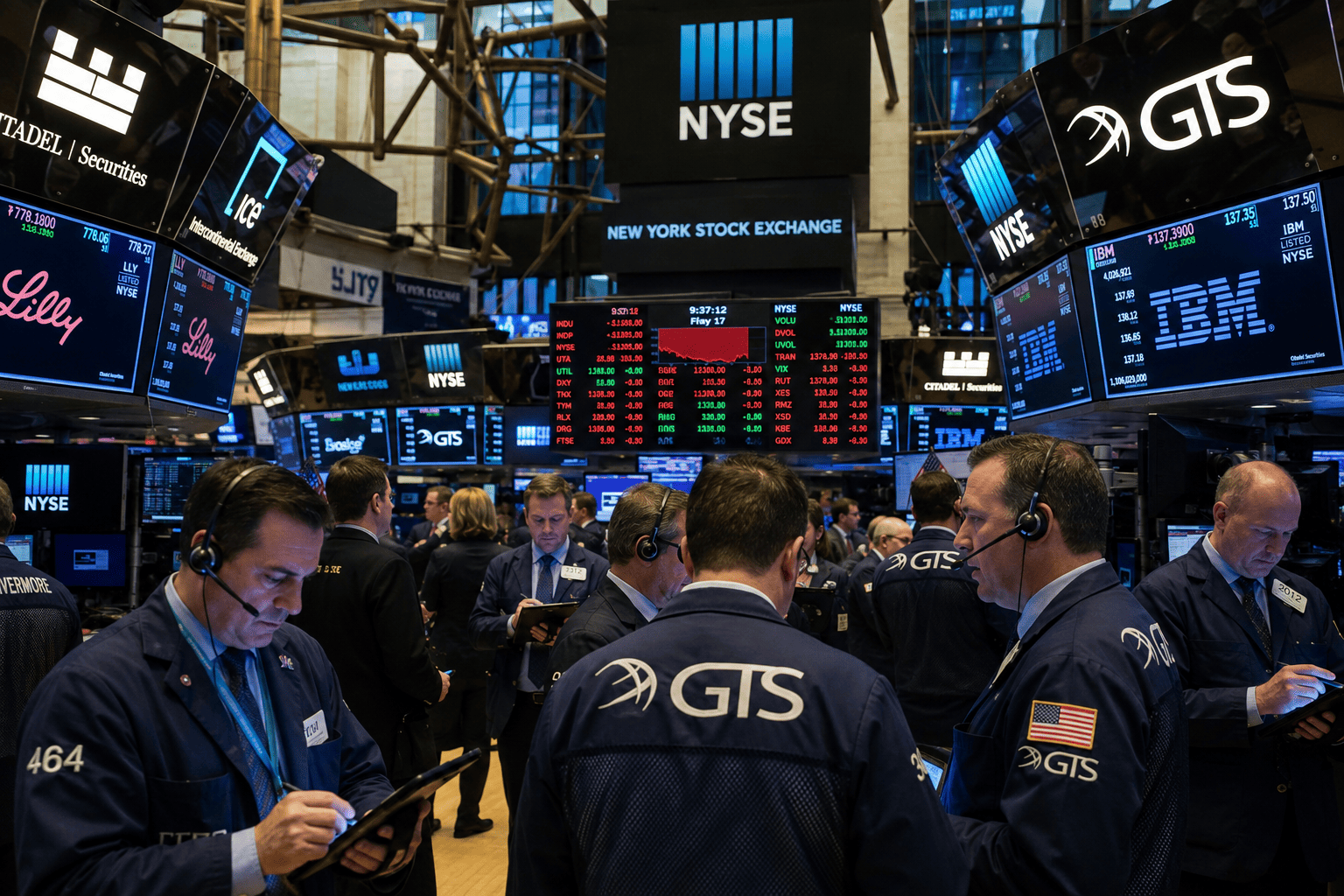
The S&P 500 Index, along with its most popular exchange-traded funds, VOO and SPY, has been trading in a narrow range recently, seemingly unfazed by a robust second-quarter earnings season and the Federal Reserve's hawkish stance. As October unfolds, several catalysts are poised to inject volatility into the index and its tracking ETFs.
Earnings Season: A Potential Boost
The most significant catalyst for VOO and SPY is the upcoming third-quarter earnings season, which kicks off on October 13 with reports from major financial and healthcare firms like JPMorgan, UnitedHealth, Johnson & Johnson, and Bank of America. Analysts are optimistic, with consensus estimates pointing to a 29% year-over-year earnings growth for the quarter. Historically, actual results have often exceeded these projections. For instance, ahead of the second quarter, the market anticipated around 25% growth, but the final figure came in above 50%.
This earnings strength is largely fueled by heavy capital expenditure in artificial intelligence. Tech giants such as Microsoft, Google, and Meta Platforms are pouring billions into AI infrastructure, which in turn benefits suppliers across the value chain—from memory and GPUs to optical components and servers. A prime example is Micron, which reported revenue of over $54 billion for its fiscal fourth quarter, surpassing its own guidance of $50 billion. Additionally, elevated oil and gas prices have bolstered earnings for energy majors like ExxonMobil, Chevron, and Marathon Petroleum.
Federal Reserve's Rate Decision
Another pivotal event for the S&P 500 and its ETFs is the Federal Reserve's interest rate decision, scheduled for October 28. Economists widely expect the central bank to raise rates, but the outcome will hinge on incoming economic data. The first key data point is the nonfarm payrolls report due Friday, followed by the October 14 inflation readings. A strong jobs report combined with persistently high inflation would likely solidify expectations for a hike. Historically, equities tend to struggle during periods of Fed tightening.
Bond Market and Geopolitical Risks
The third major driver is the geopolitical situation between the US and Iran. Recent weeks have seen relative calm, contributing to lower oil prices. Reports indicate improved traffic through the Strait of Hormuz and the reopening of Saudi Arabia's East-West pipeline. If this status quo persists, the stock market could continue to perform well. However, with US midterm elections approaching, there is a risk of escalation, which would push oil prices higher. Rising oil prices typically lead to higher bond yields; the 10-year Treasury yield has already climbed to 5.2%, and the 30-year to 5.636%. When bond markets experience turbulence, stocks often underperform.
Investors should monitor these catalysts closely, as they could significantly influence the direction of VOO and SPY in the coming weeks.
This article is for informational purposes only and does not constitute financial advice.