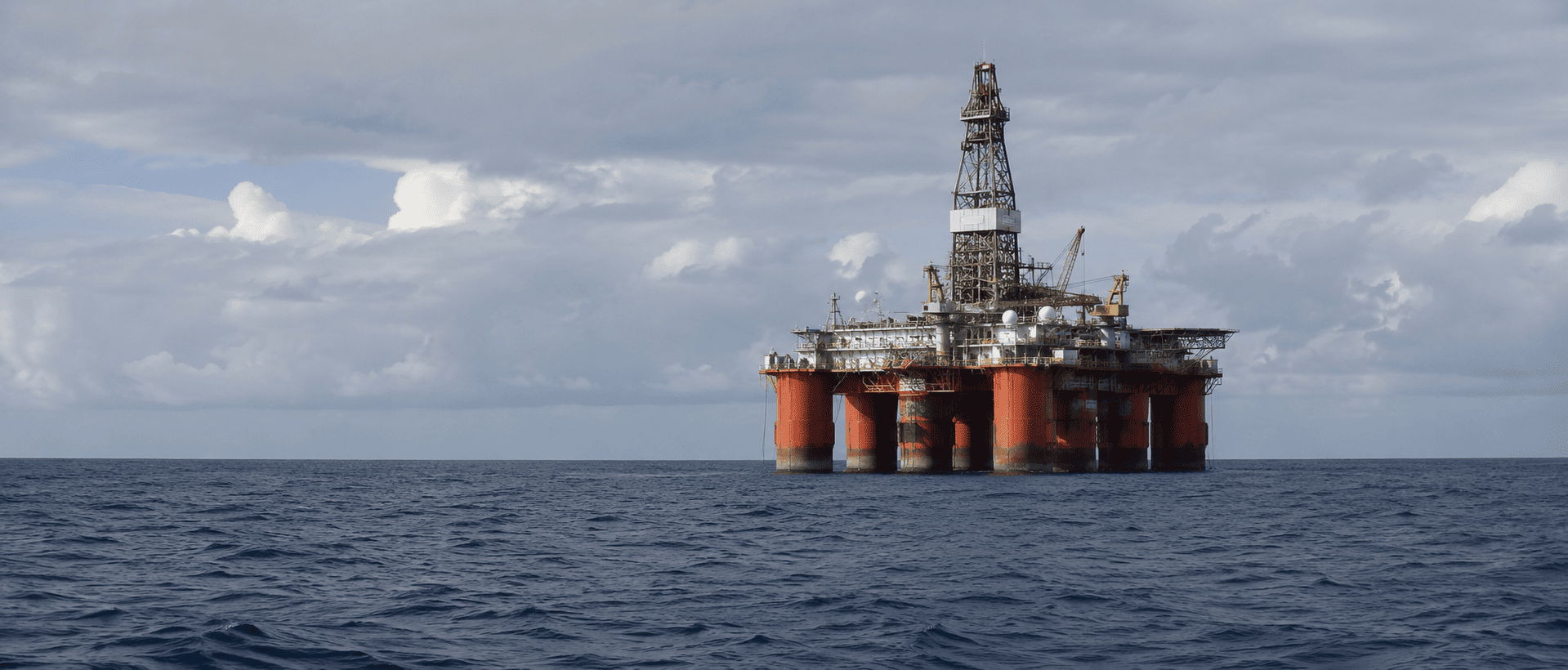
Geopolitical Tensions Trigger Oil Price Surge
Global crude oil benchmarks surged past the $100 per barrel threshold on Monday following an announcement by the United States of a naval blockade targeting the Strait of Hormuz. The decision came after diplomatic negotiations between US and Iranian officials in Pakistan concluded without an agreement. The critical waterway, through which approximately 20% of the world's seaborne oil passes, is now a focal point of escalating tensions.
Blockade Aims to Cut Iranian Revenue
The stated objective of the blockade is to sever a significant revenue stream for the Iranian government. Iran has reportedly been collecting fees on oil transiting the strait, generating substantial income estimated in the billions of dollars annually. US officials hope that applying this financial pressure will compel Iran to alter its stance on regional security and its nuclear program. However, Iran has rejected previous demands and maintains a large arsenal, suggesting a readiness for prolonged confrontation.
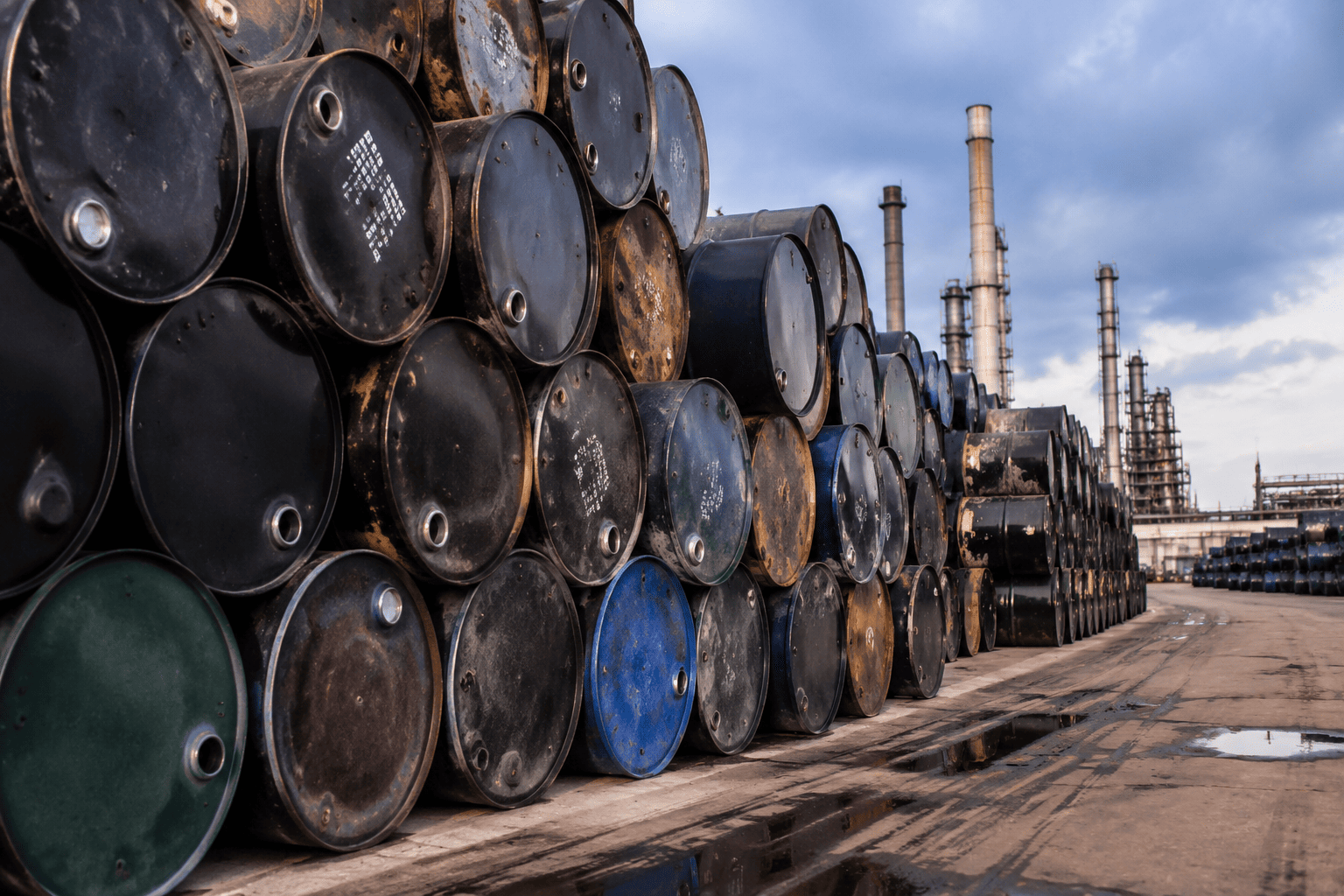
Expert Analysis Predicts Strategic Failure
Professor John Mearsheimer, a noted political scientist, has publicly cautioned that the blockade strategy is flawed and likely to fail. In a recent interview, he outlined several reasons why the move may prove counterproductive. His primary concern is the immediate impact on energy markets and the broader economy.
Mearsheimer argues that restricting the flow of oil through the Strait of Hormuz will inevitably create a supply shock, forcing global oil prices higher. This prediction was immediately reflected in market movements, with West Texas Intermediate (WTI) and Brent crude both climbing. Analysts from major financial institutions have suggested prices could escalate further if the situation persists, with some targets near $130 per barrel.
Inflation and Domestic Political Risks
The professor emphasized that soaring energy costs would directly feed into higher inflation within the United States. Recent economic data showed the Consumer Price Index (CPI) rising, and a sustained oil price spike could exacerbate this trend. Such an outcome could dampen consumer confidence and create economic headwinds, potentially affecting the political landscape. The linkage between energy prices, inflation, and public sentiment presents a significant domestic risk to the blockade strategy.
From a strategic perspective, Mearsheimer doubts Iran can be coerced into submission. He notes that Iranian leadership views pressure from the US and its allies as an existential threat, making them willing to endure economic pain for an extended period. Furthermore, he warns that Iran and allied groups could retaliate by disrupting other vital maritime routes, such as the Red Sea, which handles about 12% of global oil shipments. Additional attacks on regional energy infrastructure could compound the supply disruption.
The professor's assessment concludes that these combined factors—resilient Iranian resistance, broader regional escalation, and severe economic blowback—may ultimately force the US to seek a diplomatic off-ramp, undermining the blockade's original goals. The situation underscores the complex interplay between geopolitical strategy and global market dynamics. For ongoing coverage of oil market volatility, see our report on conflicting signals from the Strait blockade. The price reaction is detailed in WTI's surge past $104.
This article is for informational purposes only and does not constitute financial advice.